Helimeds

Weight Loss

Clinical guides, dosage protocols, and lifestyle advice for GLP-1 and metabolic weight loss.

All articles

Can you take GLP-1 with kidney disease?
Weight Loss15 min readFact Checked

Can you take GLP-1 with kidney disease?

Often, yes. Kidney disease does not automatically rule out a GLP-1 medication, but the exact medicine, your current kidney function, and the reason for treatment matter. Some people with chronic kidney disease may benefit from treatment for type 2 diabetes or obesity. Certain benefits for kidney health have also been established for specific products and patient groups.


Can men take GLP-1s while trying to conceive?
Weight Loss15 min readFact Checked

Can men take GLP-1s while trying to conceive?

Men may be able to continue a prescribed GLP-1 medication while trying to conceive. Taking one is not automatically a reason to delay fathering a pregnancy, but human evidence about male fertility and pregnancy outcomes after paternal use remains limited. Review the exact medication with your prescriber rather than stopping it on your own.

What age can you take GLP-1 medications?
Weight Loss15 min readFact Checked

What age can you take GLP-1 medications?

In the U.S., the minimum age for a GLP-1 medication depends on the exact product and the condition being treated. For weight management, injectable Wegovy (semaglutide) is approved for certain patients ages 12 and older with obesity. Saxenda (liraglutide) also has an obesity indication starting at age 12, with additional eligibility requirements. Some GLP-1 medicines for type 2 diabetes, including Victoza (liraglutide), have approved uses starting at age 10.

Can you take SGLT2 and GLP-1 medicines together?
Weight Loss16 min readFact Checked

Can you take SGLT2 and GLP-1 medicines together?

Yes. An SGLT2 inhibitor and a GLP-1 receptor agonist can be prescribed together, particularly for adults with type 2 diabetes. They work in different ways, so combining them can improve blood sugar control when one medicine is not enough. Heart disease, heart failure, kidney disease, and weight-management goals may also influence the decision.

Can I take a GLP-1 for only 3 months?
Weight Loss15 min readFact Checked

Can I take a GLP-1 for only 3 months?

Yes, you and your prescriber can decide to end GLP-1 treatment after three months. However, a planned three-month course is not an established way to achieve lasting weight loss. Medicines used for long-term weight management generally need an ongoing treatment plan, and some weight may return after treatment ends.

Does microdosing GLP-1 help with weight loss?
Weight Loss15 min readFact Checked

Does microdosing GLP-1 help with weight loss?

Very low doses of a GLP-1 medication may affect appetite or weight in some people, but microdosing is not an established, standardized weight-loss treatment. There is no reliable basis for promising how much weight someone will lose, whether the effect will last, or whether an improvised regimen offers a better balance of benefits and risks.

Can you take a GLP-1 for just a month?
Weight Loss14 min readFact Checked

Can you take a GLP-1 for just a month?

You can stop a GLP-1 medication after a month when you and your prescriber decide that is appropriate. But a planned one-month course is generally not a well-supported approach to lasting weight management. The early weeks often involve starting treatment gradually, checking tolerability, and establishing follow-up, rather than completing treatment.

Can you take a GLP-1 after drinking alcohol?
Weight Loss15 min readFact Checked

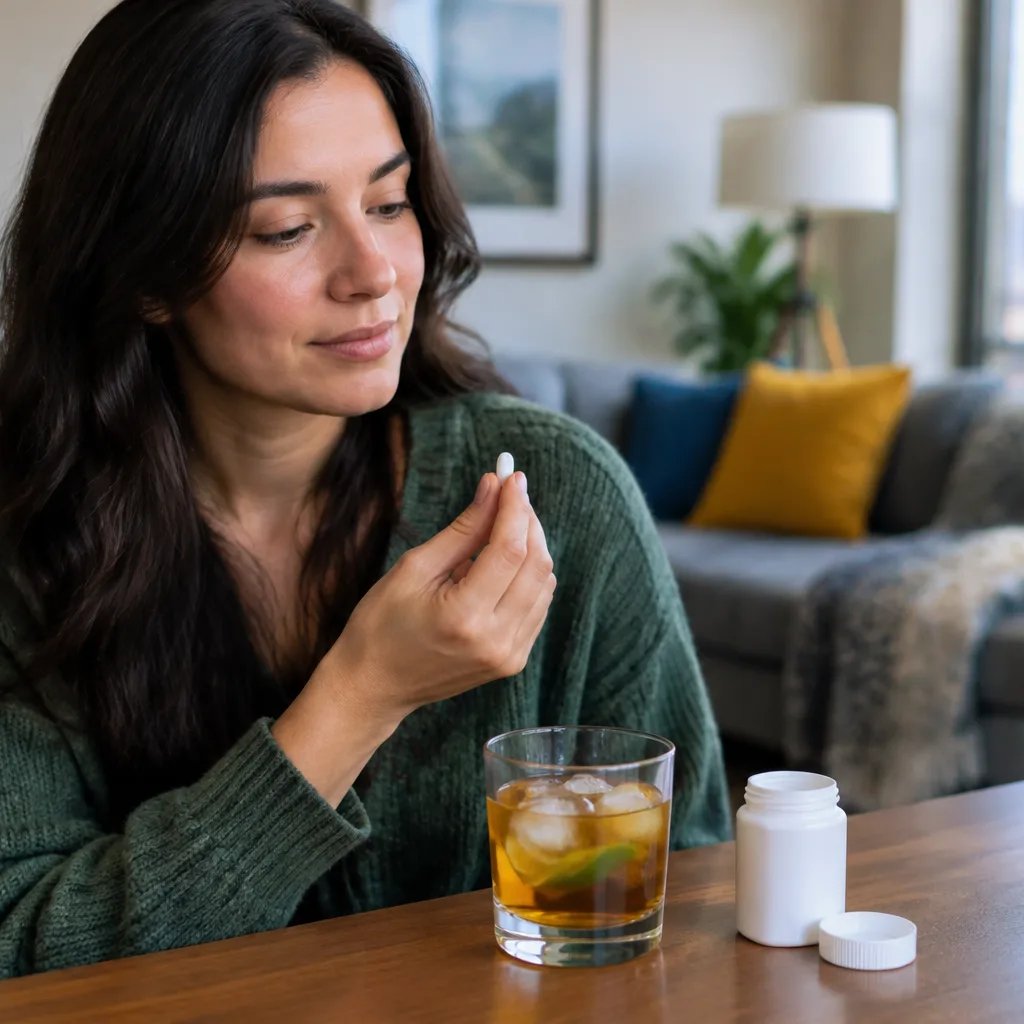
Can you take a GLP-1 after drinking alcohol?

Having consumed alcohol does not automatically mean you need to skip a prescribed GLP-1 medication. But it is not a blanket yes: the medication and formulation, how much you drank, whether you feel unwell, and your other medicines all matter. There is no universal number of hours after drinking that makes every GLP-1 dose safe.

Can you take a GLP-1 before surgery?
Weight Loss15 min readFact Checked

Can you take a GLP-1 before surgery?

Often, yes. Many people can continue a GLP-1 medication before elective surgery, but the decision depends on their treatment, digestive symptoms, and anesthesia plan. Do not skip or take your next dose based on a general internet rule. Your anesthesia team, surgeon, and prescribing clinician should coordinate your instructions.

Can you take a GLP-1 with spironolactone?
Weight Loss15 min readFact Checked

Can you take a GLP-1 with spironolactone?

A GLP-1 medicine and spironolactone can sometimes be prescribed together. Taking spironolactone does not automatically rule out GLP-1 treatment, but the combination needs a medication review and a monitoring plan.

Can you take a GLP-1 with insulin?
Weight Loss14 min readFact Checked

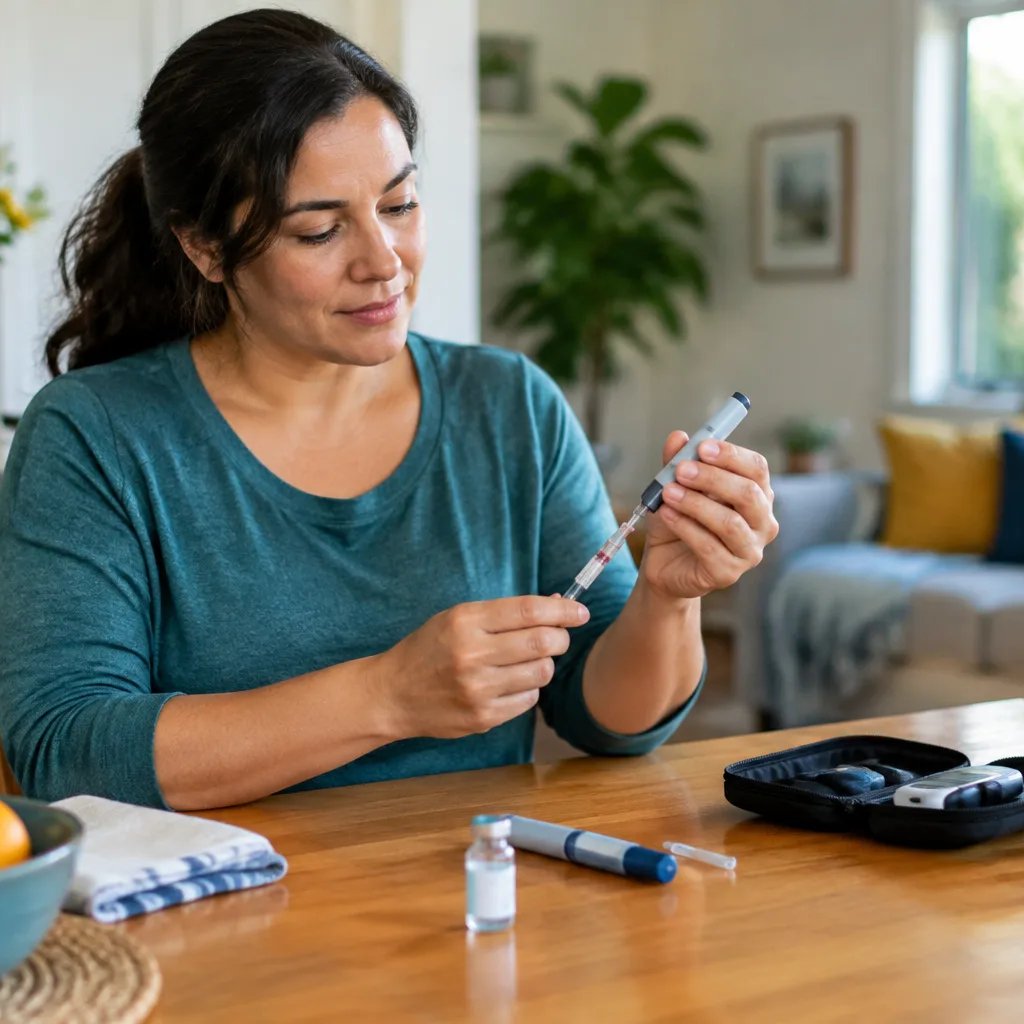
Can you take a GLP-1 with insulin?

Yes. A GLP-1 medicine can be prescribed with insulin, particularly for people with type 2 diabetes. The medicines work differently, and using them together can help manage blood sugar. The main concern is hypoglycemia, or low blood sugar, so your clinician may need to adjust your insulin and your glucose-monitoring plan.

Do bodybuilders take GLP-1 medicines?
Weight Loss15 min readFact Checked

Do bodybuilders take GLP-1 medicines?

Yes, some bodybuilders report taking GLP-1 medicines to reduce appetite during a "cut," a period focused on losing body fat while trying to retain muscle. Those reports do not tell us how common the practice is or establish that it is safe or effective for contest preparation.