What ages 12 to 17 mean for obesity treatment
Meeting the age threshold is only one part of eligibility
A teenager turning 12 does not automatically become a candidate for weight-loss medication. Pediatric obesity care considers growth, medical conditions, eating patterns, emotional health, and the potential benefits and burdens of treatment.
BMI, or body mass index, uses height and weight as a screening measure. In children and adolescents, clinicians generally interpret it using age- and sex-specific growth charts rather than simply applying adult BMI categories. A BMI result also does not describe a young person's full health.
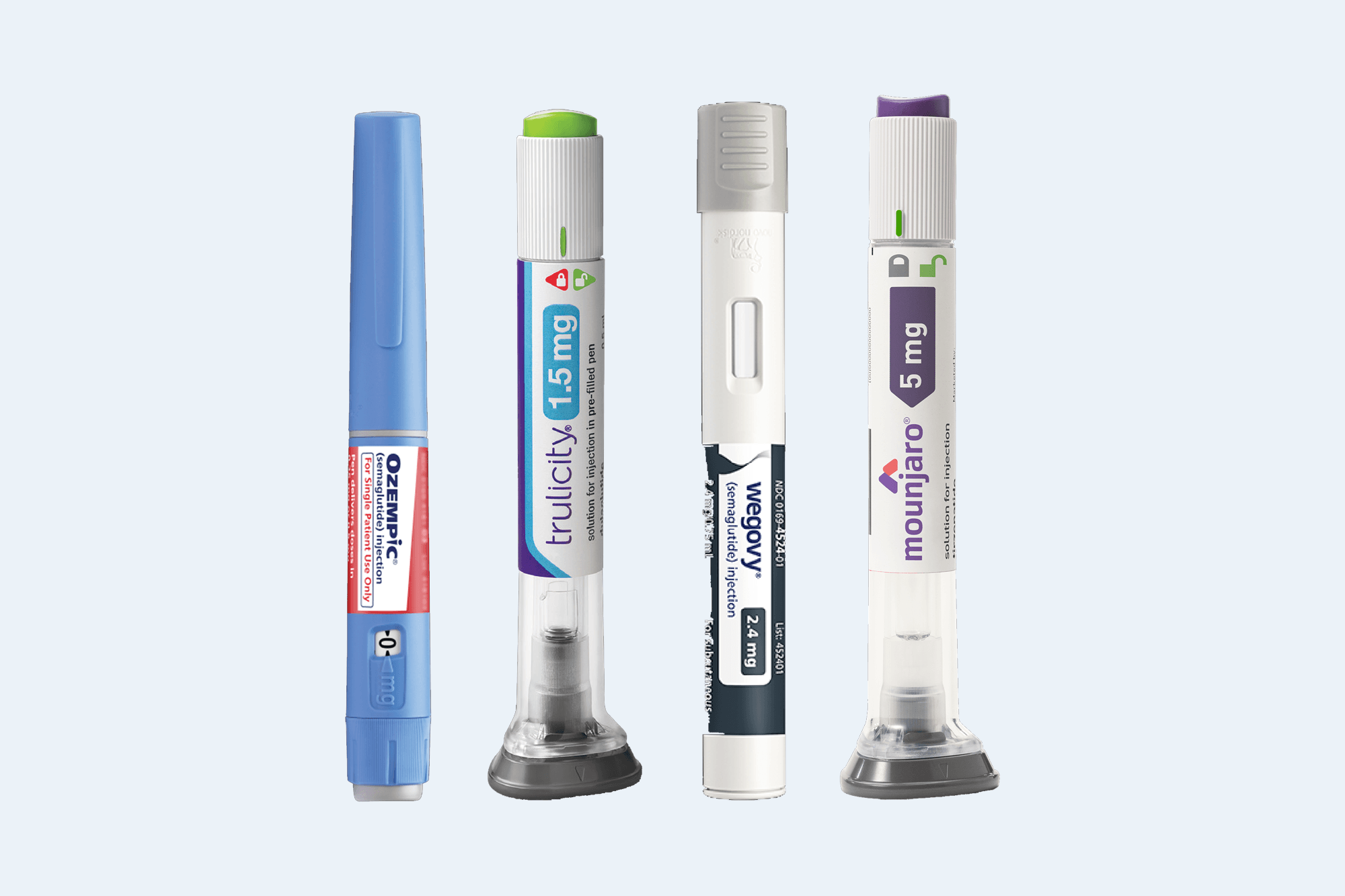
For injectable Wegovy, the pediatric weight-management indication is for patients ages 12 and older with obesity. Saxenda has its own pediatric requirements, including a body-weight requirement and a specified BMI threshold. A clinician should check the actual product criteria rather than treating the two prescriptions as interchangeable.
An assessment may also consider blood pressure, blood sugar, cholesterol, sleep problems, medication effects, and other possible contributors to weight changes. Testing depends on the child's history and examination. No single lab result or online BMI calculation establishes that a prescription is appropriate.
Treatment needs to support growth and emotional health
The goal of adolescent obesity treatment is improved health, not meeting someone else's appearance expectations. Medication can be a useful part of care for an eligible young person, alongside nutrition, activity, and behavioral support.
Because these medicines can reduce appetite, the care plan needs to address adequate food and fluid intake. Eating much less is not automatically a desirable response in someone who is still growing. Ongoing vomiting, regularly skipping meals because of nausea, or being unable to participate in usual activities deserves attention.
A pediatric treatment plan should also make room for conversations about body image, bullying, restrictive eating, binge eating, and distress around food. These issues do not mean that every young person should be denied medication. They may change which support is needed and how progress is monitored.
Before starting, families can ask:
How was the obesity diagnosis established, and what health concerns are we treating?
Why is this particular product appropriate for my child's age and circumstances?
How will we monitor growth, nutrition, hydration, and emotional well-being?
What symptoms should prompt a call, and who handles those questions?
How will we decide whether the benefits justify continuing treatment?
What is the plan if medication becomes unaffordable, unavailable, or poorly tolerated?
A teenager should have an age-appropriate voice in these discussions. Medication should not be presented as punishment, proof of failure, or a condition for acceptance within the family.