Tirzepatide from $199/month — $597 for your first 3-month order
Start Now

Do bodybuilders take GLP-1 medicines?

Do bodybuilders take GLP-1 medicines?
Heli's Fact-Checking Standards

Every piece of content at Heli's adheres to the highest editorial standards for language, style, and medical accuracy. To learn what we do to deliver the best health and lifestyle insights to you, Check out our content review principles.

Yes, some bodybuilders report taking GLP-1 medicines to reduce appetite during a "cut," a period focused on losing body fat while trying to retain muscle. Those reports do not tell us how common the practice is or establish that it is safe or effective for contest preparation.

The important distinction is between treating a medical condition in someone who lifts weights and using a prescription medicine to become leaner for competition. A bodybuilder may have a legitimate reason for treatment, such as obesity or type 2 diabetes. Being a bodybuilder alone is not a medical indication.

GLP-1 medicines are not muscle-building drugs. For someone focused on strength and muscle retention, the central questions are whether treatment is medically appropriate, whether reduced appetite interferes with fueling, and how benefits and risks will be monitored.

Why some bodybuilders consider GLP-1 medicines

Appetite control is the main attraction

During a cut, hunger can make a planned reduction in food intake difficult to maintain. GLP-1 medicines affect signals involved in appetite and fullness, which explains their appeal to some people trying to lose fat.

GLP-1 stands for glucagon-like peptide-1, a hormone involved in blood sugar regulation and appetite. Semaglutide acts at GLP-1 receptors. Tirzepatide acts at both GLP-1 and glucose-dependent insulinotropic polypeptide, or GIP, receptors. Tirzepatide is often included in casual conversations about "GLP-1s," although its action involves both pathways.

Reduced hunger can be a useful treatment effect for an appropriately selected patient. It does not establish that a more restrictive diet is healthy or that a person can safely reach a lower body-fat level.

For a bodybuilder, less interest in food can also create a practical conflict: eating less may become easier at the same time that eating enough protein, carbohydrate, and other nutrients becomes harder.

Online reports do not establish a bodybuilding protocol

Bodybuilding forums and social media contain accounts of people using these medicines. They also contain advice about low doses, short cycles, combinations, and contest timing. These accounts are self-reports, not controlled evidence that a particular approach preserves muscle or improves competition outcomes.

Someone reporting successful fat loss may also have changed training, food intake, other drugs, and hydration. A photograph cannot separate those influences, establish medication quality, or show what happened to health and performance afterward.

It would therefore be misleading to say that most bodybuilders take GLP-1 medicines, that use is rapidly increasing, or that there is an established safe cutting protocol.

A useful question is whether the person would have a medical reason to consider treatment even without a competition deadline. If the answer is unclear, that uncertainty deserves attention before discussing a product or dose.

Medical treatment and contest cutting are different decisions

A person who lifts weights may still benefit from treatment

Strength training does not rule out obesity, diabetes, or other health conditions. A person can care about muscle development and also benefit from appropriate medical weight management. Taking prescribed medicine for a health condition is not a failure of discipline.

The reverse also matters: a high body weight does not automatically mean a muscular person needs weight-loss medication. Body mass index, or BMI, compares weight with height but cannot distinguish muscle from body fat. It is one part of an assessment, not a complete description of an athlete's health.

A clinician may consider weight history, body composition, waist measurements, blood pressure, symptoms, relevant laboratory findings, and existing diagnoses. Meeting a numerical threshold does not guarantee a prescription.

The reason for treatment should be explicit. Improving the management of a diagnosed condition is a different goal from reaching a temporary stage appearance.

The exact medicine and approved use matter

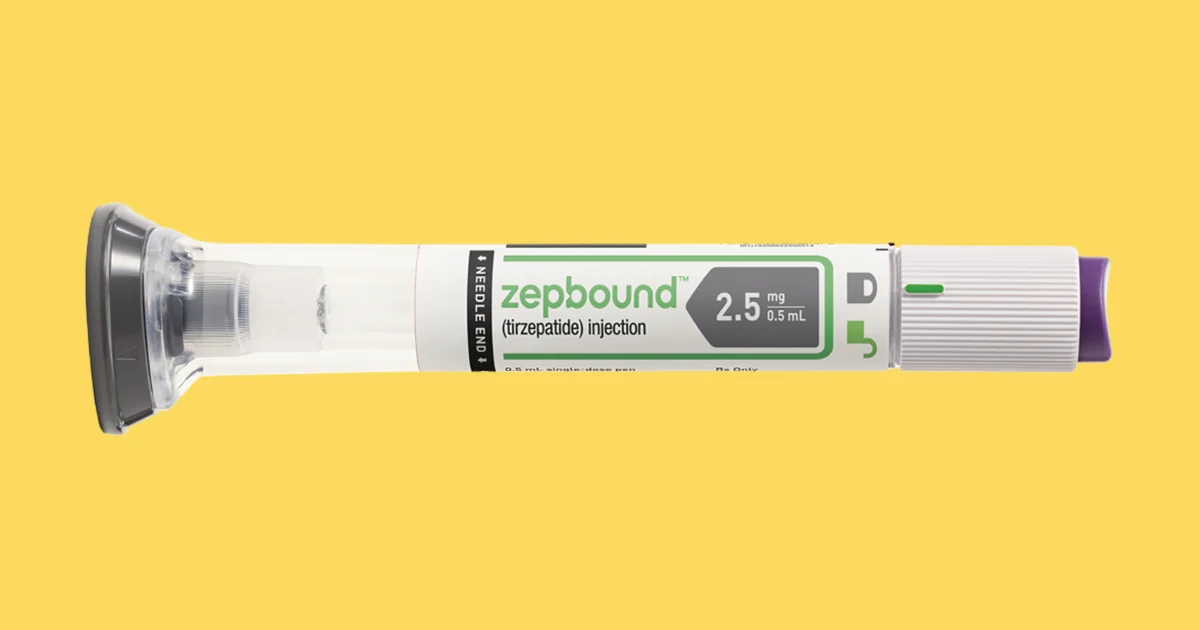
Semaglutide and tirzepatide are active ingredients, not interchangeable names for every product containing them. Wegovy and Ozempic contain semaglutide; Zepbound and Mounjaro contain tirzepatide. Their approved uses, formulations, and prescribing instructions are not identical.

For adult weight management, Wegovy and Zepbound have approved uses in specified populations with obesity or overweight and qualifying weight-related conditions. That does not make either medicine an approved bodybuilding treatment. Use outside the approved product labeling is called off-label use.

Wegovy labeling includes oral and injectable formulations. Do not assume that every GLP-1 medicine is a weekly injection or that instructions for one presentation apply to another. The Wegovy prescribing information and Zepbound prescribing information are product-specific references for approved uses and safety information.

Decision point

Treatment for a medical condition

Use primarily for contest cutting

Main goal

Address a diagnosed condition and related health risks

Reach a desired appearance or competition condition

Basis for choosing treatment

Clinical assessment and evidence relevant to the product and patient

Online experience does not establish a validated protocol

Measures of success

Health outcomes, tolerability, nutrition, and function

Scale weight or appearance alone can miss harm

Time horizon

A plan based on the condition being treated

A show date may create pressure to accelerate changes

A competition deadline should not determine whether a prescription is appropriate or how quickly treatment changes.

What GLP-1 weight loss can mean for muscle and performance

Lean mass is not the same thing as skeletal muscle

Weight loss can include both fat and lean tissue. That matters to bodybuilders, but "lean mass" and "muscle" should not be treated as synonyms.

Lean mass measurements include water and other nonfat tissues as well as muscle. Depending on the measurement method, bone is reported separately. A change in lean mass on a scan cannot automatically be translated into the same amount of lost skeletal muscle.

Hydration and stored carbohydrate, called glycogen, also affect body weight and how full muscles look. A flatter appearance after a diet change does not prove muscle loss. At the same time, an explanation involving water or glycogen should not be used to dismiss a sustained decline in strength, function, or nutrition.

Claims that a fixed percentage of everyone's GLP-1 weight loss will be muscle are too simplistic. Results depend on the population, medicine, measurement method, food intake, activity, and duration. Findings in people receiving obesity treatment are not a forecast for an already-lean competitor.

Muscle retention deserves more attention than the scale

Resistance exercise and adequate nutrition are important parts of supporting muscle during weight loss. Neither guarantees complete muscle preservation, and taking a GLP-1 medicine does not remove the need for either.

A bodybuilder already following a demanding training program may need a nutrition review more than additional exercise. If appetite reduction makes it difficult to eat enough, adding training can increase the gap between fuel needs and intake.

Protein matters, but a protein target alone does not make a diet adequate. Carbohydrate supports training, dietary fat has essential roles, and a varied diet helps provide vitamins, minerals, and fiber. A registered dietitian with sports-nutrition experience can help reconcile medical treatment with training demands.

Helimeds' guide to differences in GLP-1 weight-loss response also discusses nutrition and activity beyond the scale.

Useful observations include:

  • Whether usual working weights or repetitions are declining across multiple sessions.

  • Whether meals are being skipped because of fullness, nausea, or fear of slowing weight loss.

  • Whether soreness, fatigue, or recovery problems are interfering with normal activity.

  • Whether weight is falling faster than the plan discussed with the clinician.

  • Whether food intake has become increasingly narrow or difficult to maintain.

These observations do not diagnose muscle loss. They help identify when the overall plan needs reassessment.

Training does not prove that someone is adequately fueled

A person may continue completing workouts while eating too little to support recovery and other body functions. Being able to finish a session is not a complete safety check.

Low energy availability means that too little energy remains after exercise to support the body's other needs. Persistent fatigue, menstrual changes, reduced sexual interest, recurrent injuries, or worsening recovery warrant assessment rather than a harder cut. These symptoms can have multiple causes and should not be attributed to a medication without evaluation.

Body-composition testing can sometimes add information, but repeated scans are not mandatory for every patient. Consistent measurement conditions and a clinical question matter more than frequent testing. Strength records, symptoms, dietary intake, and day-to-day function remain useful even when a scan is available.

There is also no basis for promising that tirzepatide or semaglutide will produce a better stage appearance. Medical weight loss, muscle growth, and competition performance are different outcomes.

Safety concerns that matter during intensive training

Gastrointestinal symptoms can disrupt fueling and hydration

Nausea, vomiting, diarrhea, constipation, and abdominal discomfort are relevant concerns with these treatments. Their practical importance depends on severity, persistence, and whether they interfere with eating, drinking, or daily activities.

For tirzepatide, Helimeds' side-effect guide discusses common symptoms and serious risks.

Mild fullness and an inability to keep fluids down require different responses. Do not treat persistent vomiting as proof that the medicine is working. Contact the treating clinician promptly if symptoms prevent adequate intake or keep recurring.

Fluid loss from vomiting or diarrhea can lead to dehydration and kidney problems. Heavy sweating, heat exposure, and deliberate fluid restriction can make the situation more concerning. Do not add dehydration strategies to manage medication-related symptoms or chase a lower scale reading.

For nonurgent symptoms, record when they occur, what you can tolerate, bowel changes, and their relationship to treatment changes. That information helps the clinician assess the cause and decide what needs adjusting.

Major warnings still apply to physically fit people

Physical fitness does not remove prescription contraindications. Wegovy and Zepbound carry boxed warnings about thyroid C-cell tumors. These tumors occurred in animal studies; whether the medicines cause this type of tumor in humans is unknown.

Both products are contraindicated in people with a personal or family history of medullary thyroid carcinoma, a particular thyroid cancer, or multiple endocrine neoplasia syndrome type 2, called MEN 2. This does not mean that every thyroid condition is a contraindication. Give the clinician the specific diagnosis rather than saying only that thyroid disease runs in the family.

A safety review should also cover a history of pancreatic or gallbladder problems, significant digestive disease, kidney problems, serious allergic reactions, and other medicines. People with diabetes should discuss blood sugar management and any relevant eye disease.

Pregnancy, pregnancy planning, breastfeeding, and contraception require product-specific advice. Tirzepatide has a specific interaction affecting oral hormonal contraception, so anyone relying on a birth control pill needs to review the labeled precautions with the prescriber. Do not assume advice for semaglutide and tirzepatide is identical.

Tell the procedural and anesthesia team about the exact medicine before surgery or a procedure involving sedation. These medicines can affect stomach emptying. The team should provide an individualized plan; a gym discussion is not an appropriate source for withholding instructions.

Know which symptoms need urgent care

Severe or persistent abdominal pain, especially with vomiting, needs prompt medical assessment because pancreatic, gallbladder, or other serious problems may be possible. Yellowing of the skin or eyes also warrants prompt evaluation.

Persistent vomiting, very little urination, marked dizziness, or inability to keep fluids down requires urgent attention. Do not continue a hard workout while waiting to see whether these symptoms pass.

Low blood sugar deserves particular attention in people also using insulin or certain other diabetes medicines. Weakness during a cut should not automatically be labeled hypoglycemia, but confusion, severe shakiness, or fainting should never be ignored.

Call 911 for an immediate emergency, such as trouble breathing, swelling of the face or throat, collapse, or severe chest pain. Emergency symptoms belong with emergency medical services, not a coach or customer-support team.


Why stacks, compounded products, and competition rules need separate checks

Combining drugs does not establish muscle protection

Some bodybuilding discussions describe combining GLP-1 medicines with testosterone, anabolic steroids, growth hormone, insulin, stimulants, or other weight-loss products. An online "stack" is not a verified interaction assessment.

Adding another substance does not prove that muscle loss will be prevented or that a more restrictive diet becomes safe. Insulin introduces particular concern about dangerously low blood sugar. Stimulants and other drugs can add cardiovascular, hydration, or appetite-related risks of their own.

Disclose prescription medicines, nonprescription drugs, supplements, and performance-enhancing substances to the treating clinician. Include the actual names and what you are taking, even if a substance came from a coach or online seller. Accurate disclosure is necessary for safety, not a test of whether someone deserves care.

Do not independently combine weight-loss medicines, copy another person's dose, or use extra doses to meet a show deadline. Questions about changes belong with the prescribing clinician.

Compounded preparations are not approved equivalents

Compounded semaglutide and compounded tirzepatide are not FDA-approved. The FDA does not review compounded drugs for safety, effectiveness, and quality before marketing. They should not be described as generic Wegovy, generic Zepbound, or clinically interchangeable versions.

Helimeds provides separate compounded tirzepatide service information; it is not information about an FDA-approved equivalent.

A study of a branded product also does not establish the same outcomes for a particular compounded preparation. Added vitamins are not evidence of better muscle retention, fewer side effects, or improved fat loss.

The FDA's information on unapproved GLP-1 products explains why product source and preparation matter. Products sold as "research peptides" should not be treated as patient-ready prescription medicines.

For any prescribed vial, instructions must match the exact concentration and device. Milligrams measure an amount of medicine, milliliters measure liquid volume, and syringe units are device markings. The FDA's compounded-semaglutide dosing-error alert highlights the risks of misunderstanding these measurements.

Resolve unclear directions with the prescriber or dispensing pharmacist before injecting. Do not calculate a dose from someone else's syringe markings.

"Natural" status is a rulebook question

Whether a medication is allowed in competition depends on the relevant organization, event, and current rules. A prescription does not automatically establish competition eligibility, and a forum comment does not establish a ban.

Check the official policy for the specific medicine and purpose of use. Ask the organization whether disclosure, documentation, an exemption, or another process applies, and keep its written response.

Medical appropriateness and competition permission are separate decisions. An allowed medicine can still be unsuitable for an individual, while a medically necessary treatment may require additional competition paperwork. Do not stop necessary treatment independently to meet an event rule.

What to bring to a clinical conversation

A useful consultation begins with a clear goal: treating a health condition, understanding an unexpected weight change, or asking about physique-related weight loss. Be direct about competition plans and the degree of restriction involved.

Prepare the following information:

  • Your weight history, recent changes, and any relevant body-composition measurements.

  • Your usual food intake, appetite, and difficulty tolerating meals.

  • Your training schedule and recent changes in strength, recovery, or injuries.

  • The exact names of all medicines, supplements, and performance-enhancing substances.

  • Relevant personal and family medical history, including specific thyroid diagnoses.

  • Any upcoming procedures, pregnancy plans, or contraception questions.

Ask how success will be judged beyond pounds lost, what symptoms should trigger contact, and who will manage nutrition concerns. If treatment is appropriate, the plan should include follow-up and a longer-term approach rather than only a date to reach a target weight.

If the main goal is becoming leaner despite persistent fatigue, injury, or distress about food and appearance, sports-medicine, dietitian, or mental-health support may be more useful than appetite suppression.

The bottom line

Some bodybuilders report using GLP-1 medicines, chiefly for appetite control during cutting. That does not establish a safe bodybuilding protocol, a muscle-preserving effect, or a reason for an already-lean person to take one.

Someone who lifts weights may still benefit from treatment for an appropriate medical condition. The next step is to review the actual health indication, food intake, training performance, other substances, and exact product with a licensed clinician. The goal should be a plan that protects health and function, not simply a lower number before competition.

This article provides general health information and does not replace advice from your licensed healthcare professional.

Frequently asked questions

Are GLP-1 medicines the same as anabolic steroids?

No. GLP-1 medicines affect pathways involved in appetite and blood sugar regulation; anabolic steroids act through different hormonal pathways. GLP-1 medicines are not prescribed to build muscle, and their competition status must be checked separately.

Can you gain muscle while taking a GLP-1 medicine?

Taking a GLP-1 medicine does not automatically prevent muscle growth, but it does not cause muscle growth either. Training experience, nutrition, recovery, medical conditions, and the size of any energy deficit all matter. For an experienced bodybuilder losing weight, muscle retention may be a more realistic immediate goal than substantial growth.

Is a small dose safe for a short bodybuilding cut?

A smaller dose or shorter duration does not establish safety or medical appropriateness. Contraindications, side effects, product quality, and interactions still matter. There is no universal clinician-validated short-cutting regimen to copy from another athlete.

Should someone stop treatment before returning to a muscle-gain phase?

A change in training goals is a reason to reassess the treatment plan with the prescriber, not to stop independently. The decision depends on why the medicine was prescribed, its benefits, tolerability, and whether nutritional needs are being met. A competition or bulking calendar should not replace management of an underlying medical condition.

Share this post:

Related Posts