
Get GLP1+GIP for $37.25/week
Start Now

Tirzepatide Side Effects: Common Symptoms, Risks, and What to Expect

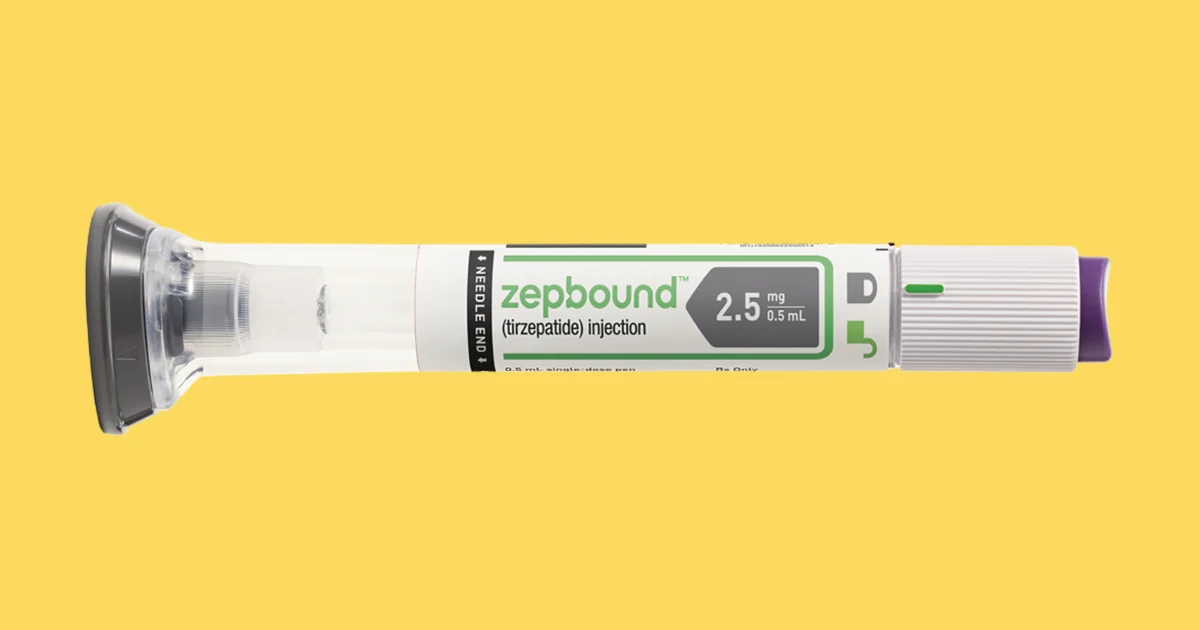
A pic that visualize potential Tirzepatide side effect
Heli's Fact-Checking Standards

Every piece of content at Heli's adheres to the highest editorial standards for language, style, and medical accuracy. To learn what we do to deliver the best health and lifestyle insights to you, Check out our content review principles.

What Are the Most Common Tirzepatide Side Effects?

Tirzepatide most often causes gastrointestinal side effects. According to the FDA prescribing information for Zepbound, the most common adverse reactions reported in at least 5% of treated patients include nausea, diarrhea, vomiting, constipation, abdominal pain, indigestion, injection-site reactions, fatigue, belching, hair loss, and gastroesophageal reflux disease. Not everyone experiences these effects, and their severity can vary.

MedlinePlus tirzepatide guidance also lists nausea, vomiting, diarrhea, decreased appetite, constipation, and upset stomach among possible tirzepatide side effects. Persistent vomiting or diarrhea can contribute to dehydration, so symptoms that are severe or do not improve should be discussed with a healthcare professional. Headache can occur, but it is not listed among the most common adverse reactions in the FDA Zepbound prescribing information.


When Do Tirzepatide Side Effects Start and How Long Do They Last?

There is no single timeline for when tirzepatide side effects begin or how long they last. Gastrointestinal symptoms may appear after treatment starts or become more noticeable as the dose increases. Tirzepatide is typically increased gradually, and MedlinePlus dosing guidance reflects this stepwise approach rather than immediate escalation to higher doses.

In the 176-week SURMOUNT-1 follow-up study, most gastrointestinal adverse events were mild to moderate and occurred primarily during the dose-escalation period in the first 20 weeks. This does not mean every symptom resolves within that period. Individual experiences vary, and persistent, worsening, or severe symptoms should be discussed with a healthcare professional rather than assumed to be a normal adjustment.

Serious Tirzepatide Side Effects and Warning Signs

Serious tirzepatide side effects are less common but require prompt attention. The FDA prescribing information for Zepbound warns about acute pancreatitis, gallbladder disease, kidney injury related to dehydration, severe gastrointestinal reactions, serious hypersensitivity reactions, and hypoglycemia. Persistent severe abdominal pain, especially if it spreads to the back or occurs with vomiting, may indicate pancreatitis and should be evaluated promptly.

Other warning signs include facial or throat swelling, difficulty breathing, markedly reduced urination, or severe dehydration. Cleveland Clinic guidance on tirzepatide also advises reporting symptoms suggestive of gallbladder problems, kidney injury, or an allergic reaction. The risk of hypoglycemia is higher when tirzepatide is used with insulin or medications that increase insulin secretion, such as sulfonylureas.

Tirzepatide and Thyroid Cancer Risk

Tirzepatide carries an FDA boxed warning about the risk of thyroid C-cell tumors. In animal studies, tirzepatide caused dose- and treatment-duration-dependent thyroid C-cell tumors in rats. However, the FDA states that it is unknown whether Zepbound causes these tumors, including medullary thyroid carcinoma (MTC), in humans.

Because of this potential risk, tirzepatide should not be used by people with a personal or family history of MTC or Multiple Endocrine Neoplasia syndrome type 2 (MEN 2). MedlinePlus advises contacting a healthcare professional if symptoms such as a neck lump or swelling, persistent hoarseness, difficulty swallowing, or difficulty breathing develop. The boxed warning reflects a potential risk rather than proof that tirzepatide causes thyroid cancer in humans.

Can Tirzepatide Cause Headaches, Body Aches, or Joint Pain?

Headaches can occur while taking tirzepatide, although they are not listed among the most common adverse reactions in the FDA Zepbound prescribing information. Cleveland Clinic’s tirzepatide guidance notes that headache can also accompany dehydration, which may develop after significant vomiting or diarrhea.
Body aches, muscle pain, and joint pain are not established as common tirzepatide side effects. If these symptoms appear during treatment, tirzepatide may not necessarily be the cause. Other factors, including dehydration, illness, physical activity, or an unrelated musculoskeletal condition, may contribute. Cleveland Clinic guidance on musculoskeletal pain emphasizes that these symptoms can have many causes. New, persistent, severe, or unexplained pain should therefore be discussed with a healthcare professional.

Tirzepatide Side Effects in Women

The established tirzepatide side-effect profile is not generally described as female-specific. However, there are important considerations for women who could become pregnant. The FDA prescribing information for Zepbound states that tirzepatide may cause fetal harm and should be discontinued when pregnancy is recognized.

Tirzepatide can also delay gastric emptying, which may reduce the effectiveness of oral hormonal contraceptives after treatment begins or after a dose increase. FDA labeling recommends switching to a non-oral contraceptive method or adding a barrier method for four weeks after starting tirzepatide and for four weeks after each dose escalation. More generally, MedlinePlus advises discussing medication use during pregnancy with a healthcare professional rather than stopping or changing treatment independently.

Long-Term Side Effects of Tirzepatide

Evidence on long-term tirzepatide safety is growing, but it does not cover indefinite use. In the 176-week SURMOUNT-1 follow-up, researchers identified no new safety signals over three years of treatment in participants with obesity and prediabetes. Gastrointestinal adverse events remained the most common and were generally mild to moderate, occurring mainly during dose escalation.

Long-term treatment does not eliminate the possibility of serious adverse effects. The FDA prescribing information for Zepbound continues to warn about pancreatitis, gallbladder disease, kidney injury related to dehydration, severe gastrointestinal reactions, and other risks. Current evidence therefore supports ongoing safety monitoring rather than assuming that long-term tirzepatide use is either risk-free or inherently dangerous.

Zepbound vs Mounjaro Side Effects

Zepbound and Mounjaro contain the same active ingredient, tirzepatide, so their side-effect profiles overlap substantially. The current FDA Zepbound prescribing information lists nausea, diarrhea, vomiting, constipation, abdominal pain, indigestion, injection-site reactions, fatigue, belching, hair loss, and reflux among its most common adverse reactions.

The current FDA Mounjaro prescribing information similarly lists nausea, diarrhea, decreased appetite, vomiting, constipation, indigestion, and abdominal pain. The lists are not identical because the products are approved for different indications and were studied in different clinical-trial populations. These differences should not be interpreted to mean that one brand is inherently safer than the other.

Tirzepatide vs Semaglutide Side Effects

Tirzepatide and semaglutide have overlapping side-effect profiles, particularly gastrointestinal symptoms such as nausea, diarrhea, vomiting, and constipation. In the direct SURMOUNT-5 trial, 751 adults with obesity but without type 2 diabetes received tirzepatide or semaglutide for 72 weeks. The most common adverse events in both groups were gastrointestinal, generally mild to moderate, and occurred mainly during dose escalation.

The New England Journal of Medicine report does not support assuming that either medication will be better tolerated by every individual. Side effects can depend on dose, escalation schedule, medical history, and individual response. If tolerability is a concern, comparing the medications should involve both their benefits and risks rather than choosing solely on expected weight loss.

Compounded Tirzepatide and Tirzepatide With B12 Side Effects

Compounded tirzepatide products are not FDA-approved, so their safety, effectiveness, and quality are not reviewed in the same way as approved Zepbound or Mounjaro. The FDA has raised concerns about non-FDA-approved compounded GLP-1 products, including misleading claims and products whose quality, safety, or efficacy the agency cannot verify.

Some compounded formulations include vitamin B12, often as cyanocobalamin. Side effects from these preparations cannot automatically be attributed to tirzepatide alone. MedlinePlus notes that cyanocobalamin injections can cause their own adverse effects, including diarrhea, headache, dizziness, rash, and rare allergic reactions.

How to Manage Common Tirzepatide Side Effects

For mild nausea, indigestion, or reduced appetite, eating smaller meals, eating slowly, and avoiding rich or high-fat foods may help. Mayo Clinic guidance on weight-loss medication side effects also recommends maintaining adequate fluid intake and gradually increasing dietary fiber if constipation occurs. Avoid lying down immediately after eating if reflux or heartburn is a problem.

Do not change your tirzepatide dose or dosing schedule on your own because of side effects. Persistent vomiting or diarrhea can lead to dehydration, and Cleveland Clinic lists reduced urination, dizziness, increased thirst, and dark urine among signs that need medical attention. Severe, persistent, or worsening symptoms should be discussed with the prescribing healthcare professional.

When to Contact a Healthcare Professional

Contact a healthcare professional if tirzepatide side effects are severe, persistent, or getting worse. The FDA prescribing information for Zepbound warns about serious reactions including pancreatitis, gallbladder disease, kidney injury related to dehydration, severe gastrointestinal reactions, hypersensitivity, and hypoglycemia in some patients. Seek prompt medical attention for severe abdominal pain that may spread to the back, repeated vomiting, signs of dehydration, facial or throat swelling, or trouble breathing.

Cleveland Clinic also advises contacting your care team for markedly reduced urination, severe stomach pain with fever, persistent vomiting or diarrhea, or a new neck lump, hoarseness, or difficulty swallowing. Do not wait for a scheduled appointment if symptoms suggest a serious reaction, and do not change tirzepatide without medical guidance unless emergency care is needed.

Frequently Asked Questions

Why does tirzepatide cause sulfur burps?

Belching is a recognized tirzepatide side effect. “Sulfur burps” are not separately established, but slowed digestion may contribute to noticeable changes in belching.

Can side effects suddenly appear after weeks without problems?

Why was my second dose worse than my first?

Does injection site affect tirzepatide side effects?

Can tirzepatide cause hair loss?

Can certain foods make tirzepatide side effects worse?

Disclaimer: This website connects patients with licensed healthcare providers who can evaluate medical conditions and prescribe medications when appropriate. Some medications available through this service may be compounded drugs, which are customized formulations prepared by a pharmacy. The FDA does not conduct premarket review for compounded drugs to evaluate their safety, effectiveness, or quality. (See here: https://www.fda.gov/consumers/consumer-updates/it-really-fda-approved). Individual results may vary, and these medications should only be used under the guidance of a qualified healthcare professional. The information in this article is for educational purposes only and should not be considered medical advice. Always consult your healthcare provider before starting any new treatment.

How we reviewed this article:
Sources
History

Helimeds has strict sourcing guidelines and relies on peer-reviewed studies, academic research institutions, and medical associations. We avoid using tertiary references. You can learn more about how we ensure our content is accurate and current by reading our editorial policy.

Share this post:

Related Posts