Get GLP1+GIP for $37.25/week
Start Now

Understanding and Managing Zepbound Side Effects

Zepbound image
Heli's Fact-Checking Standards

Every piece of content at Heli's adheres to the highest editorial standards for language, style, and medical accuracy. To learn what we do to deliver the best health and lifestyle insights to you, Check out our content review principles.

What Is Zepbound?

Zepbound is an injectable prescription medication used for chronic weight management in overweight or obese adults. Patients who took the drug along with a low-calorie diet and increased physical activity showed improved cholesterol levels, blood pressure, and waist circumference. According to extensive research, Zepbound may work better than Ozempic (semaglutide) in some cases.


Zepbound is also known by its generic name, tirzepatide. In this article, we’ll explore managing Zepbound side effects.

How Does Zepbound Work?

Zepbound (tirzepatide) is a Gastric inhibitory polypeptide (GIP) and glucagon-like peptide-1 (GLP-1) receptor agonist. GIP and GLP-1 are the two primary incretin hormones secreted from the intestine on ingestion of food, mainly glucose or nutrients, to stimulate insulin secretion from the pancreas.


This way, the cells are more prepared to take up glucose and at the same time signal to the brain that enough food has been taken. GLP-1 secretion from the gut seems to be impaired in obese subjects and since Zepbound medication activates the cell receptors for both hormones we can understand one of the reasons that this medication leads to weight loss.


By behaving just like GIP as well as GLP-1, it helps keep your appetite under control and makes weight loss possible by maintaining balanced blood sugar levels through 

  • increasing amount of insulin produced; 

  • decreasing amount of glucagon made; 

  • reducing production of glucose within body; 

  • making a person feel full after eating; 

  • and slowing down stomach emptying.


It is important to highlight that GLP-1 and GIP receptors are also found in areas of the human brain, important for appetite regulation, which can add an extra reason to explain why Zepbound leads to decreased food intake.


The effect of Zepbound weight loss and its maintenance varies depending on the initial body mass index (BMI), the amount of exercise, other drugs being used in conjunction with it, the total dosage of Zepbound, beginning body weight, one’s diet and so forth. So, individual factors can vary significantly. Generally, Zepbound results in a nearly 23% decrease in body weight in those who were given the 15mg dose.

Who Is Suitable for Zepbound?

Zepbound can be taken by obese patients with a Body Mass Index (BMI) 30 kg/m2 or higher or overweight patients (BMI) 27 kg/m2 or higher with at least one weight-related condition like high cholesterol levels, type 2 diabetes, high blood pressure, obstructive sleep apnea, or cardiovascular disease.


Mounjaro is also used for type 2 diabetes treatment and contains the same active ingredient, tirzepatide, as Zepbound. Therefore, a patient who takes Zepbound is not allowed to take Mounjaro at the same time, because they contain the same substance.

Studies About the Effectiveness of Zepbound

According to a 2021 published study “after 40 weeks, the mean body weight reductions with tirzepatide were −7.6 kg to −11.2 kg depending on the dose, while the weight loss using semaglutide (Ozempic) was −5.7 kg.” At all doses, tirzepatide was found to be superior to semaglutide.


In a Japanese study (2022) researchers concluded that there is a weight reduction of −5.8 kg for 5 mg, −8.5 kg for 10 mg, and −10.7 kg for 15 mg of tirzepatide indicating that tirzepatide is associated with dose-dependent reductions in body weight.


Another study (2022) confirmed the effectiveness of Zepbound on weight-loss. Specifically, after 72 weeks of Zepbound, the mean weight change weight was −15.0% (dose of 5 mg tirzepatide), −19.5% (dose of 10 mg), and −20.9% (dose of 15 mg).


In a 2024 review that included 12 randomized control trials, and 11758 participants, tirzepatide compared to placebo had a prominent advantage in weight loss >20% and 25%.


Despite the effectiveness of Zepbound, when you stop taking it you will notice a weight regain. According to a recently published study, after 36 weeks of tirzepatide, adults with obesity or overweight experienced a mean weight reduction of 20.9% at week 36. Afterwards, those who switched to placebo experienced a 14% weight regain and those continuing tirzepatide experienced an additional 5.5% weight reduction during the 52-week double-blind period.

Common Side Effects of Zepbound

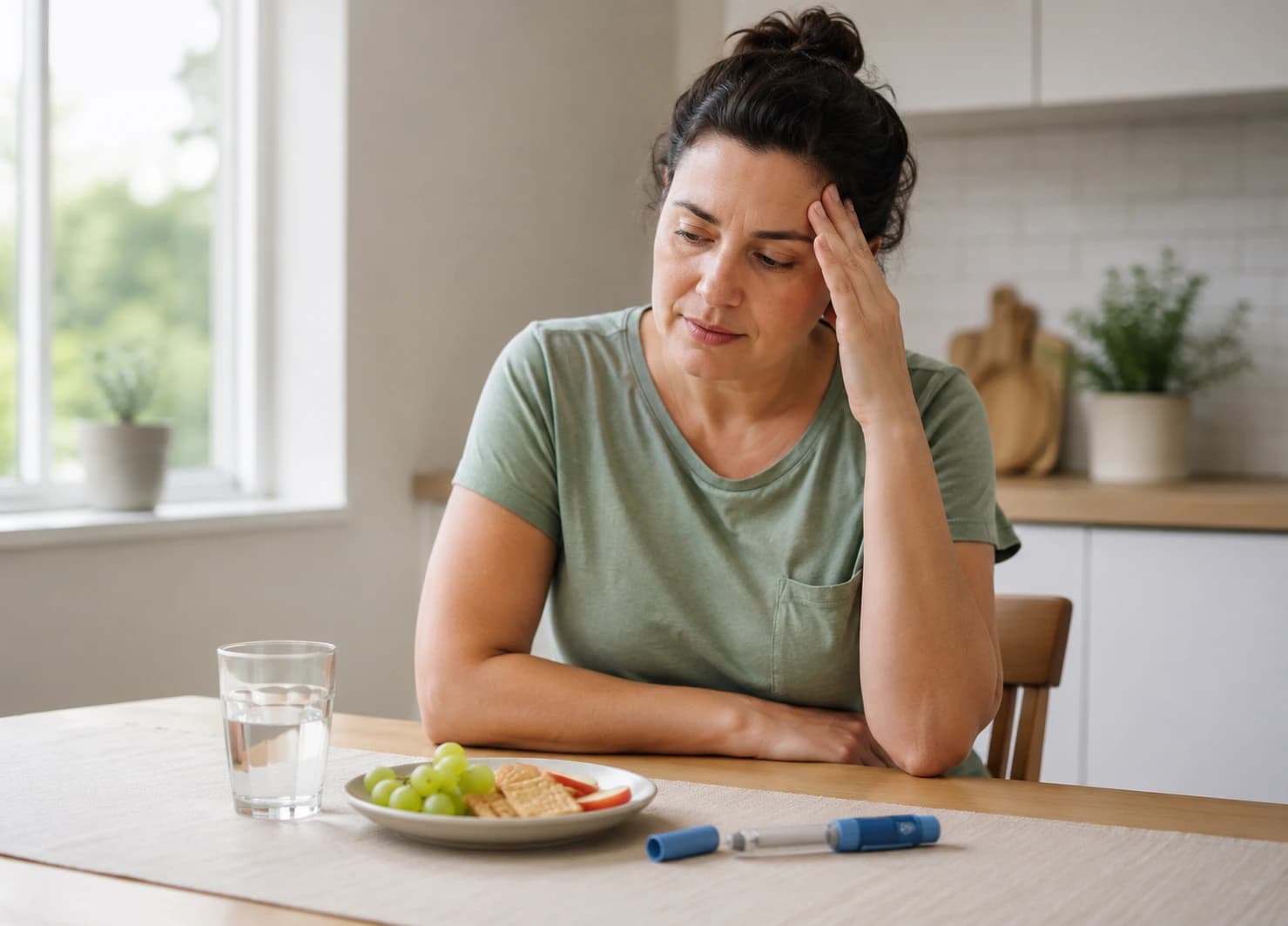
Along with its benefits, Zepbound may cause some side effects. While Zepbound is generally well-tolerated, some people may experience unwanted effects, with stomach aches or pains being the most common. Other common side effects include the following: 

Digestive Issues

  • Nausea: feeling queasy or like you might vomit

  • Diarrhea: having frequent, loose stools

  • Constipation: having difficulty passing stools

Neurological Symptoms

  • Headaches: pain in the head

  • Dizziness: feeling lightheaded or unsteady

  • Fatigue: feeling tired or lacking energy

Skin Reactions

  • Rash: a skin eruption or irritation

  • Itching: feeling an uncomfortable sensation on the skin

  • Redness: the skin becomes flushed or pink

Respiratory Issues

  • Cough: a reflex action to expel irritants from the respiratory tract

Shortness of breath: difficulty breathing or feeling like you can't get enough air

Serious Side Effects of Zepbound

While most people experience mild side effects of Zepbound, some individuals may develop more severe reactions. However, serious side effects from this medication are not common. In case the side effects turn out to be severe, then you should contact your physician for help.


If, however, the side effects are life-threatening or if it is a medical emergency, then you should call 911 or go to the nearest hospital. You must be aware of these serious side effects and immediately get medical help if they occur. The list below may not contain all possible serious side effects of the drug; refer to the Zepbound prescribing information for more details.

Cardiovascular Problems

A serious side effect of this medication is an increased heart rate, which means your heart may beat faster than usual. More than 20% of people taking the medication experience this, but the severity can differ. Other cardiovascular issues include:

  • Chest pain: discomfort or pressure in the chest, often described as a squeezing or heavy feeling.

  • High blood pressure: elevated blood pressure that increases the risk of heart attack and stroke.

  • Irregular heartbeat: an abnormal heart rhythm that can cause palpitations or dizziness.

Allergic Reactions

Allergic reactions may occur when using the medication. These are infrequent, but the skin reactions may start at the Zepbound injection site. Watch for any symptoms of a serious allergic reaction, such as: 

  • Swelling of the face or throat 

  • Severe skin reactions include hives, blistering, severe rash, itching, or peeling skin

  • Anaphylaxis and angioedema, which lead to swelling and difficulty breathing

  • Fainting or feeling dizzy, or a rapid heartbeat

Liver and Kidney Concerns

The side effects can cause kidney problems that make a person experience diarrhea, nausea, and vomiting, leading to fluid loss and dehydration. Sometimes, you might have yellowing of the skin or eyes or jaundice, a liver, gallbladder, or pancreas problem symptom. 


You may feel severe pain from your abdomen to your back or have dark urine. Tell your healthcare provider if these serious problems worsen or will not go away.

Psychological Effects

Zepbound can sometimes cause mood swings such as anxiety, depression, or suicidal thoughts. Pay attention if you take medication that affects your moods, behaviors, emotions, and ideas. It can also cause hypoglycemia (low blood sugar). Signs include dizziness or lightheadedness; sweating; headache; blurred vision; slurred speech; shakiness or fast heartbeat; anxiety; irritability; confusion or drowsiness; and mood changes such as hunger, weakness, and jitters. Any new mental change that worries you should result in a phone call to your doctor.

Conclusion

Zepbound is a medication used for treating weight-related medical issues. However, it's important to be aware of its potential risks and side effects. The most common side effects include nausea, diarrhea, vomiting, constipation, stomach pain, indigestion, injection site reactions, feeling tired, allergic reactions, belching, hair loss, and heartburn. Seek appropriate medical care in case of severe side effects.

Frequently Asked Questions

How to get Zepbound?

Zepbound is available only by prescription, so you must get a prescription from a doctor. Once you have a Zepbound prescription, you can get it by visiting a retail pharmacy in person or through a mail-order pharmacy.

How to inject Zepbound?

Who makes Zepbound?

Is it real medication?

How we reviewed this article:
Sources
History

Helimeds has strict sourcing guidelines and relies on peer-reviewed studies, academic research institutions, and medical associations. We avoid using tertiary references. You can learn more about how we ensure our content is accurate and current by reading our editorial policy.

Share this post:

Related Posts