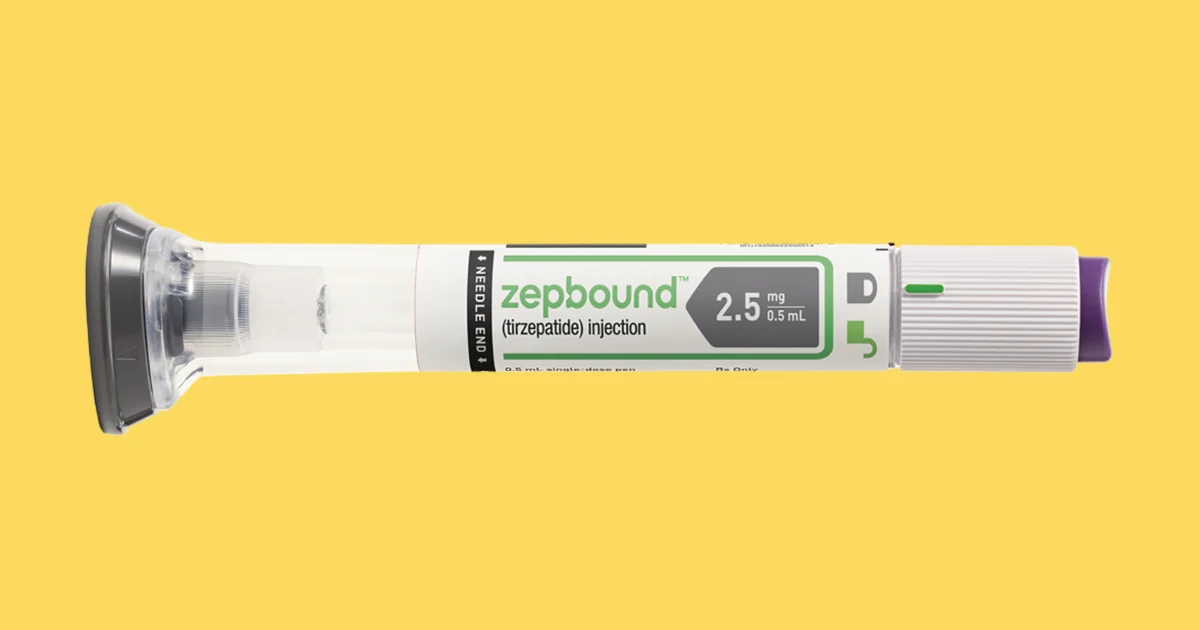
Tirzepatide from $199/month — $597 for your first 3-month order
Start Now

Can you take a GLP-1 with insulin?

Can you take a GLP-1 with insulin?
Heli's Fact-Checking Standards

Every piece of content at Heli's adheres to the highest editorial standards for language, style, and medical accuracy. To learn what we do to deliver the best health and lifestyle insights to you, Check out our content review principles.

Yes. A GLP-1 medicine can be prescribed with insulin, particularly for people with type 2 diabetes. The medicines work differently, and using them together can help manage blood sugar. The main concern is hypoglycemia, or low blood sugar, so your clinician may need to adjust your insulin and your glucose-monitoring plan.

Do not reduce, skip, or stop insulin on your own when starting a GLP-1 medicine. The right approach depends on your diabetes type, exact medications, glucose patterns, and ability to eat and drink.

If you use insulin for type 1 diabetes, the distinction is especially important: a GLP-1 medicine does not replace insulin. Adding one requires a separate discussion with your diabetes clinician about the treatment goal and safety plan.

Why a clinician might prescribe both medicines

Insulin and GLP-1 medicines have different roles

Insulin helps move glucose from your bloodstream into cells and limits glucose release from the liver. Prescribed insulin supplies a hormone your body either does not make adequately or cannot use effectively.

GLP-1 stands for glucagon-like peptide-1, a hormone involved in blood sugar regulation and appetite. GLP-1 receptor agonists mimic some of its actions. They help the pancreas release insulin in response to elevated glucose, reduce inappropriate glucagon release, and slow stomach emptying. Glucagon is a hormone that signals the liver to release glucose.

These effects explain why the medicines can work together. Taking prescribed insulin does not mean a GLP-1 medicine has no remaining role. Likewise, taking a GLP-1 medicine does not mean your body no longer needs prescribed insulin.

The Cleveland Clinic overview of GLP-1 agonists explains their glucose-lowering actions and their use alongside other diabetes treatments.

The goal may be better glucose control, weight management, or both

For someone with type 2 diabetes, a clinician may consider combination treatment when glucose remains above the person's individualized target. Adding a medicine with a different mechanism may address glucose patterns that the existing treatment does not adequately control.

GLP-1 treatment can also affect appetite and body weight. That may matter for someone managing both type 2 diabetes and obesity, including someone concerned about weight gain during insulin treatment. However, weight change varies, and it does not determine whether a treatment is working safely.

Some people eventually need less insulin under clinical supervision. Others continue to need substantial insulin even when their glucose improves. A lower insulin dose is not a measure of personal success, and needing insulin is not a failure.

The useful questions are whether the plan improves glucose control, avoids troublesome lows, remains tolerable, and fits your daily life.

Helimeds' guide to GLP-1 benefits beyond weight loss discusses how treatment goals differ by medicine and diagnosis.

Diabetes treatment and obesity treatment are different indications

The exact product matters. Ozempic and Wegovy contain semaglutide, a GLP-1 receptor agonist, but they are different products with different approved uses and instructions. Mounjaro and Zepbound contain tirzepatide, which acts at both GIP and GLP-1 receptors. GIP is another hormone involved in the body's response to food.

A prescription for weight management does not automatically replace a diabetes prescription. Someone taking insulin who starts obesity treatment still needs a coordinated diabetes plan.

Formulation matters, too. Not every GLP-1 medicine is a weekly injection, and current Wegovy labeling includes injectable and oral formulations. Instructions for one route or device should not be transferred to another.

Bring the full product name and formulation to the conversation rather than saying only "semaglutide" or "a GLP-1." That helps the clinician distinguish the intended treatment, approved indication, and administration requirements.

Low blood sugar is the main combination risk

Why your usual insulin dose may need reassessment

GLP-1 medicines stimulate insulin release in a glucose-dependent way, meaning that this action responds to the glucose level. Injected insulin continues to act according to its formulation and dose.

When the treatments are combined, your previous insulin plan may lower glucose more than intended. Eating less because you feel full sooner, missing meals because of nausea, or changing your activity can add to that risk.

This does not mean everyone needs an immediate insulin reduction. Someone with persistently high glucose may need a different approach from someone already having overnight lows. Kidney function, other medicines, and the type of insulin also influence the decision.

Starting a GLP-1 medicine calls for an insulin review, not an automatic insulin reduction.

There is no single safe percentage reduction for every reader. Your clinician should explain whether changes are needed, which insulin is affected, and how glucose readings will guide follow-up.

Know the difference between early symptoms and an emergency

Possible signs of low blood sugar include:

  • Shaking, sweating, or a sudden fast heartbeat.

  • Unusual hunger, weakness, or dizziness.

  • Irritability, trouble concentrating, or confusion.

  • Symptoms during sleep, such as sweating or waking with an unexplained headache.

Symptoms alone cannot reliably distinguish low glucose from medication side effects, dehydration, or another problem. Check your glucose promptly when possible, and follow your established hypoglycemia treatment plan. Do not assume dizziness or weakness is simply adjustment to the new medicine.

Helimeds' guide to headaches with semaglutide discusses possible causes and warning signs for people taking that medicine.

If you are awake and can swallow safely, fast-acting glucose is commonly used to treat a low. Keep the product and instructions recommended by your diabetes team readily available. Do not delay treatment of a suspected low while trying to reach an online message service.

Severe confusion, seizures, unconsciousness, or inability to swallow safely require emergency help. Someone with you should call 911 and use prescribed rescue glucagon if available and they know how. They should not give food or drink to an unconscious person.

Prepare for lows before treatment changes

Ask whether you should have a glucagon rescue product and whether someone close to you needs training to use it. This is particularly important if you have previously needed help during a low or do not reliably feel warning symptoms.

Your plan should also explain when to contact the diabetes team after treating a low. Repeated episodes, overnight lows, or any episode requiring another person's help warrant prompt review. A pattern of lows should not be accepted as the price of a better A1C.

A continuous glucose monitor, or CGM, can help reveal trends, but it does not replace knowing how to respond. Discuss alert settings and what to do when a sensor reading does not match how you feel. If you use fingerstick testing, confirm that you have enough supplies for the monitoring your clinician recommends.

What a safe insulin adjustment plan should include

Basal insulin and mealtime insulin need separate consideration

Basal insulin provides background coverage between meals and overnight. Mealtime insulin addresses glucose from food. Premixed insulin combines components with different actions, while an insulin pump delivers insulin according to programmed settings and user inputs.

These approaches are not interchangeable when adding a GLP-1 medicine.

Current insulin approach

What the clinician needs to assess

Basal insulin

Fasting glucose, overnight trends, and lows between meals

Mealtime insulin

Food intake, after-meal glucose, and timing of lows

Premixed insulin

How the fixed mixture fits changing meal patterns

Insulin pump or automated system

Delivery settings, glucose trends, meal entries, and backup plans

Reduced appetite and slower stomach emptying may change the relationship between food and mealtime insulin. A dose that previously matched a meal may no longer match the amount eaten or the timing of glucose absorption.

That is a reason for individualized review, not a reason to experiment with insulin timing or pump settings yourself. Follow only the adjustment instructions your diabetes team has provided.

Monitoring should answer specific questions

More glucose checks are useful only if you know what to do with the information. Before starting treatment, ask which readings your clinician wants, when to send them, and what should trigger a call.

Useful questions include whether glucose is falling overnight, whether lows occur after meals, and whether nausea is causing you to eat less than expected. A1C reflects longer-term glucose exposure, but it cannot show the timing of an individual low.

For a more informative review, record:

  • The exact insulin and GLP-1 product names, along with prescribed doses.

  • Glucose readings or CGM reports, including the timing of lows.

  • Insulin administration times and any changes already directed by your clinician.

  • Meals you could not finish, vomiting, or unusually low food intake.

  • New exercise patterns, alcohol use, illness, and other medication changes.

You do not need a perfect food diary. A few clear notes connecting symptoms, meals, medicine use, and glucose readings can make treatment decisions more precise.

For readers prescribed Zepbound, Helimeds' guide to taking Zepbound includes keeping a medication and symptom record.

Get a sick-day and follow-up plan

Nausea, vomiting, or diarrhea can create two problems at once: difficulty maintaining hydration and a mismatch between insulin and food intake. Illness can also raise glucose, even when you are eating less.

Ask for written instructions covering what to do if you cannot eat normally, cannot keep fluids down, or have unexpectedly high or low readings. The plan should identify who to contact and when urgent evaluation is needed.

For people at risk of diabetic ketoacidosis, it should also explain when to check ketones. Ketoacidosis is a dangerous buildup of acids that can occur when the body lacks enough insulin. Do not assume a GLP-1 medicine protects you from it.

Arrange follow-up around the treatment change rather than waiting for a routine visit months later. If different clinicians prescribe your insulin and weight-management medicine, make sure both have the same medication list and know who is responsible for insulin adjustments.

How diabetes type and medical history change the answer

Type 1 diabetes requires a different discussion

For type 1 diabetes, insulin is essential. GLP-1 medicines do not replace the body's missing insulin and are not approved as treatments for type 1 diabetes itself.

A clinician may consider a GLP-1 medicine for a separate indication or discuss off-label use in selected circumstances. Off-label means a medicine is prescribed outside its FDA-approved use. That decision needs careful assessment rather than applying a type 2 diabetes plan unchanged.

The central risks include hypoglycemia if insulin and food intake become mismatched, and ketoacidosis if insulin is reduced too much or interrupted. An insulin pump user also needs a clear response plan for delivery problems.

If you have type 1 diabetes and want help with weight management, bring that goal directly to your diabetes clinician. The discussion should include your glucose history, ketone plan, insulin delivery method, and the evidence for the specific proposed treatment.

Review gastrointestinal, kidney, pancreatic, and gallbladder concerns

Nausea, vomiting, diarrhea, constipation, and abdominal discomfort can occur with GLP-1 treatment. Their importance increases when they affect eating, drinking, or insulin use. They should not automatically be dismissed as harmless adjustment symptoms.

Persistent vomiting, inability to keep fluids down, or signs of dehydration need prompt medical advice. Dehydration can contribute to kidney injury and complicate diabetes management. Tell your clinician about kidney disease before treatment.

Severe or persistent abdominal pain, especially pain that may extend to the back, needs urgent assessment because pancreatitis is a possible serious concern. Upper abdominal pain with fever or yellowing of the skin or eyes also needs prompt evaluation for a possible gallbladder problem.

Severe stomach-emptying problems, including gastroparesis, deserve specific discussion before treatment. Your clinician needs to know whether you already have prolonged fullness, repeated vomiting, or difficulty matching insulin to meals.

Check product-specific warnings and other medicines

Semaglutide and tirzepatide products have a boxed warning about thyroid C-cell tumors observed in rodents. It is unknown whether they cause these tumors in humans. They are contraindicated in people with a personal or family history of medullary thyroid carcinoma or multiple endocrine neoplasia syndrome type 2, called MEN 2. This does not mean every thyroid condition is a contraindication.

Other considerations include previous serious allergic reactions, diabetic eye disease, pregnancy plans, breastfeeding, and upcoming anesthesia or deep sedation. Report new vision changes promptly, and tell procedural teams about your medicine because delayed stomach emptying can affect anesthesia planning.

Pregnancy and contraception instructions are product-specific. In particular, tirzepatide can affect oral hormonal contraception, so people using it need the current product's instructions and a clinician-guided contraception plan.

The Wegovy prescribing information and Zepbound prescribing information describe their respective warnings. Use the label for your exact medicine rather than applying either one to every GLP-1 product.

Helimeds' safety-information resources provide additional label links but do not replace your exact product's label or cover every service.

Also disclose medicines such as sulfonylureas, which can further increase hypoglycemia risk. A complete medication review should include prescriptions, over-the-counter products, and supplements.

Using two medicines does not mean mixing them

Confirm each product's administration instructions

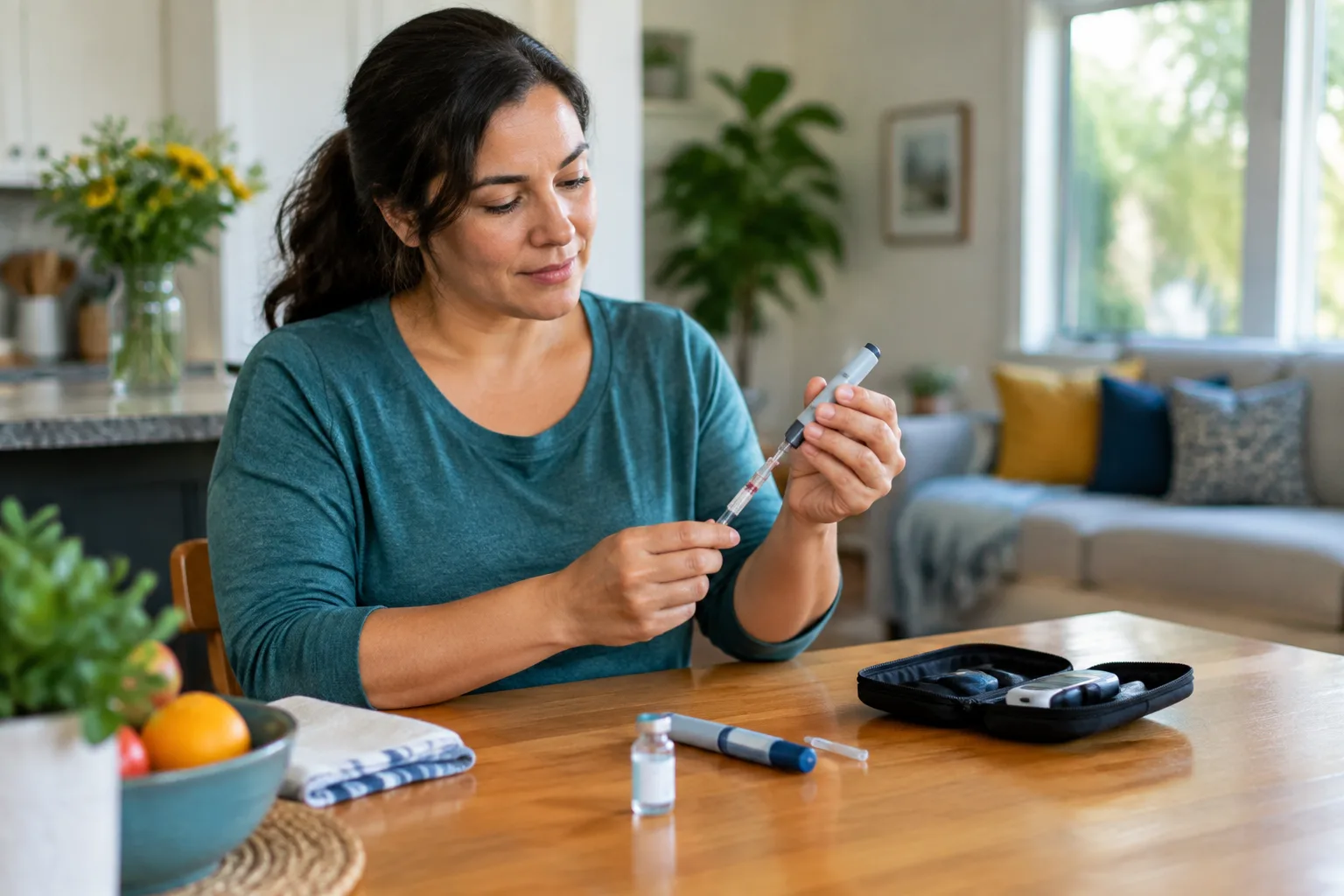
Being prescribed insulin and a GLP-1 medicine together does not authorize mixing them in one syringe, transferring medicine between devices, or improvising injection instructions. Have the pharmacist confirm how each exact product should be administered.

There is no universal rule that separating the medicines by a certain number of hours prevents hypoglycemia. Their effects can overlap well beyond the moment of administration. Safety depends on the prescribed regimen, food intake, and glucose response.

Keep device instructions distinguishable, especially if you use multiple pens or vials. Before each dose, check the product name and prescribed amount. If an instruction is unclear, resolve it with the pharmacist or prescriber before administering the medicine.

Helimeds' guide to Wegovy timing and formulation-specific routines separates tablet and injection considerations for that product.

Compounded preparations require additional verification

Compounded semaglutide and compounded tirzepatide are not FDA-approved. The FDA does not review compounded drugs for safety, effectiveness, and quality before marketing. They should not be described as generic Wegovy or generic Zepbound, or assumed to be interchangeable with approved products.

For someone also using insulin, unclear measurement instructions add another avoidable risk. Milligrams measure drug amount, milliliters measure liquid volume, and syringe units are device markings. A measurement depends on the exact concentration and device.

Do not assume that an insulin syringe's markings make the GLP-1 dose equivalent to your insulin dose. The FDA's compounded-semaglutide dosing-error alert describes errors associated with measurement and dosing confusion.

Ask the dispensing pharmacist to reconcile the prescription, concentration, syringe, and written instructions. The FDA's information on unapproved GLP-1 products explains additional concerns. Adding vitamins does not establish better glucose control or protection against side effects.

The next step is a coordinated glucose-safety plan

You can take a GLP-1 medicine with insulin when the combination is appropriate for your condition and is monitored by a licensed clinician. For type 2 diabetes, the medicines can complement each other. The main practical issue is ensuring that insulin still matches your glucose needs as treatment and food intake change.

Before starting, request clear instructions for insulin use, glucose monitoring, treating lows, illness, and follow-up. Bring your exact medication list, recent glucose data, and any history of severe or overnight hypoglycemia. If you already take both medicines and have recurrent lows or difficulty eating, contact your diabetes team promptly rather than making unsupervised changes.

This article provides general health information and does not replace advice from your licensed healthcare professional.

Frequently asked questions

Does taking a GLP-1 mean I can eventually stop insulin?

Some people with type 2 diabetes may need less insulin after a GLP-1 medicine is added, but others continue to need it. Any reduction or discontinuation must be based on clinical assessment and glucose data. People with type 1 diabetes still require insulin.

Can I take my GLP-1 medicine and insulin on the same day?

They may be prescribed for use on the same day, depending on the exact products and regimen. Follow each medicine's instructions and confirm administration details with your pharmacist. Separating doses by a few hours does not reliably eliminate low blood sugar risk.

What if I feel nauseated and cannot finish a meal after taking insulin?

Check your glucose and follow your established low-blood-sugar or sick-day plan. Contact your diabetes team promptly if you cannot eat as expected, especially after mealtime insulin. If you become severely confused, lose consciousness, or cannot swallow safely, someone should call 911.

Should I contact the insulin prescriber or the GLP-1 prescriber about lows?

Contact the clinician responsible for your diabetes and insulin management, and make sure the GLP-1 prescriber receives the same information. If that responsibility is unclear, ask both offices to establish one coordinated plan. A dispensing pharmacist can clarify product and measurement instructions, but recurrent lows require clinical assessment.

Share this post:

Related Posts