Tirzepatide from $199/month — $597 for your first 3-month order
Start Now

How to take Zepbound safely and correctly

How to take Zepbound safely and correctly
Heli's Fact-Checking Standards

Every piece of content at Heli's adheres to the highest editorial standards for language, style, and medical accuracy. To learn what we do to deliver the best health and lifestyle insights to you, Check out our content review principles.

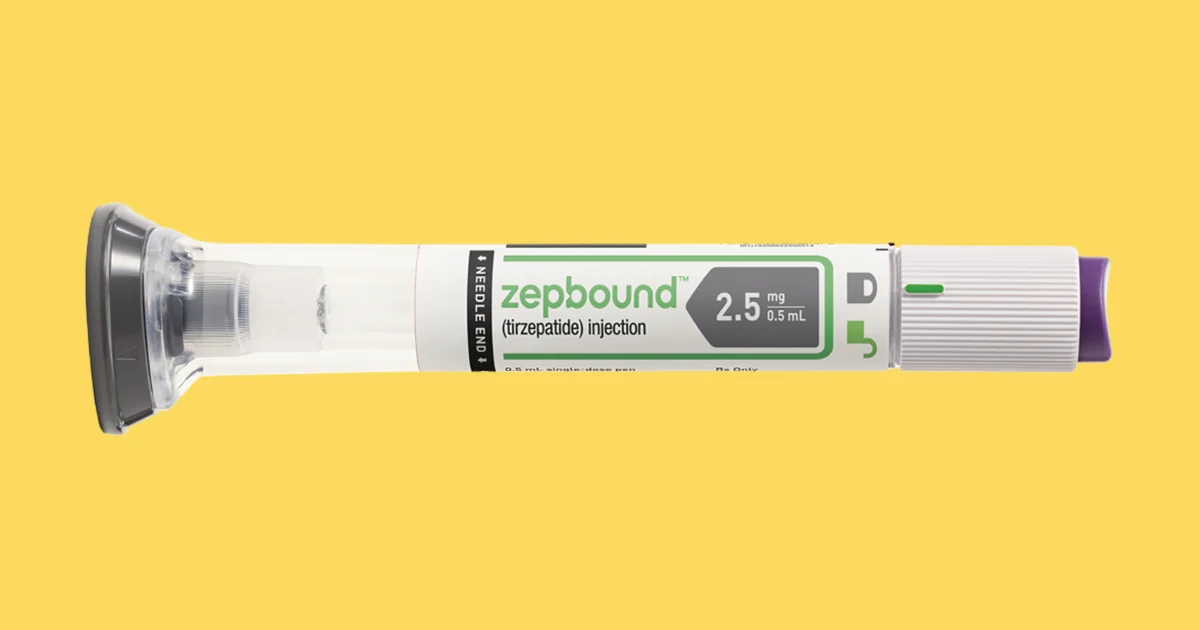
Zepbound is a prescription tirzepatide injection taken once weekly under the skin. Use the strength your clinician prescribed, follow the Instructions for Use for your exact pen or vial, and keep a record of each injection. Do not increase your dose, repeat an uncertain injection, or borrow instructions from another medication.

The most important first check is which presentation you received. A single-dose pen, a reusable dosing device, and a vial do not work the same way. Your pharmacist or prescribing clinician should help you understand the matching instructions before you inject.

This article explains how to prepare, establish a weekly routine, handle questions about missed doses, and recognize symptoms that need medical attention.

Start with the exact product and prescription

Confirm what is in your package

Check the medication name, prescribed strength, expiration date, and type of device against your prescription. If the pharmacy supplied something different from what you expected, resolve the difference before using it. A familiar-looking box or pen does not establish that you have the correct dose.

Zepbound contains tirzepatide, which acts at GIP and GLP-1 receptors. These are hormone-related pathways involved in appetite and blood-sugar regulation. Understanding how tirzepatide works can help explain changes in hunger and fullness, but it does not tell you which dose to use.

Helimeds' Zepbound treatment information describes its branded-medication service, not instructions for your particular device.

Mounjaro also contains tirzepatide, but it is a different branded product with its own approved uses. Wegovy contains semaglutide, a different active ingredient. Zepbound versus Wegovy is a treatment comparison, not a reason to transfer injection directions or doses between them.

For background on the different active ingredients, Helimeds offers a comparison of tirzepatide and semaglutide.

Find the Instructions for Use that match the product in your hands. The Zepbound U.S. prescribing information is an official source for product-specific information. Use the guide supplied with your prescription and ask the pharmacist to clarify any mismatch.

Separate branded Zepbound from compounded tirzepatide

A pharmacy-prepared compounded tirzepatide prescription is not branded Zepbound. It may have different concentrations, packaging, devices, and dispensing directions. Instructions for a Zepbound pen should never be used to calculate a dose from a compounded vial.

Compounded drugs are not FDA-approved. The FDA does not review their safety, effectiveness, and quality before marketing, as explained in its information about unapproved GLP-1 products. This distinction matters even when a prescription contains the same named active ingredient.

If your label says compounded tirzepatide, obtain preparation-specific directions from the prescribing clinician and dispensing pharmacist. Tell them the exact concentration, prescribed dose, and syringe or device supplied. Do not assume that instructions from a previous refill still apply.

Understand your weekly schedule

Use the prescribed dose, without accelerating increases

Zepbound treatment involves a starting dose and possible increases directed by the prescriber. The purpose of gradual dose adjustment includes assessing how you tolerate treatment. Moving ahead faster because you feel little appetite change can increase risk without establishing that treatment will work better.

Your written plan should tell you which strength to use now and when your clinician wants to reassess it. Do not treat every available strength as a required stop on the way to the highest dose. The appropriate ongoing dose depends on the reason for treatment, response, and tolerability.

Before a planned increase, report symptoms that affect eating, drinking, bowel movements, or daily activities. Bring your injection dates and symptom notes to the conversation. Those details help your clinician distinguish a manageable side effect from a problem that needs evaluation.

Learning about Zepbound dose escalation is useful, but an online schedule is not your prescription. If the pharmacy label and clinician’s message appear inconsistent, ask them to reconcile the directions before your next injection.

Choose a routine you can reliably track

Zepbound can be taken at any time of day, with or without food. Choose a weekly routine that leaves you enough time to check the medication and use the device carefully. You do not need to coordinate the injection with a particular meal.

Use a calendar, reminder, or medication log to record when the dose was actually given. A reminder tells you when you intended to inject; a completed entry tells you whether you did. That difference becomes important if you later wonder whether a dose was missed.

Record the strength and injection location along with the date. If symptoms develop, add when they started and how they affected you. There is no need for a complicated tracking system, just one you can use consistently.

Handle missed doses and interruptions differently

Zepbound has specific labeled instructions for missed doses and for the minimum interval between injections. Check those instructions before taking a late dose or changing your regular injection day. Do not double up to compensate for a missed injection.

If you are unsure whether you already took a dose, contact the pharmacist or clinician rather than guessing. Give them your usual injection day, the last confirmed injection date, and the strength you use. They need the actual timing to advise you safely.

A longer treatment interruption raises a different question from one late injection. Contact your prescriber before restarting after an extended gap, particularly if you previously had troublesome side effects. Do not assume your former dose remains the appropriate restart dose.

An uncertain injection is not a reason to take another dose. First establish what happened with your pharmacist or prescribing clinician.

Prepare for the injection

Gather supplies and check the medication

Prepare in a clean, well-lit space where you can see the label and handle the device without rushing. If your vision, hand strength, or coordination makes a step difficult, ask for training and suitable assistance before attempting it alone.

Depending on the presentation, you may need an alcohol swab, gauze, a syringe and needle, or compatible pen needles. Have a sharps container within reach before starting. Your pharmacist can confirm which supplies are required and whether they are included with your prescription.

Before each injection, check:

  • The name and strength match your current prescription.

  • The medication and device are within their applicable use dates.

  • The package and device are not damaged.

  • The liquid meets the appearance requirements in the matching instructions.

  • The medication has been stored according to the directions for that presentation.

If any check raises a concern, contact the pharmacist before using the medication. Appearance alone cannot prove that a product remained safe after inappropriate storage.

Choose an appropriate injection site

Zepbound is injected under the skin, not into a muscle or vein. The abdomen and thigh are self-injection areas; another person can help with an injection into the back of the upper arm. Use the site illustrations and restrictions in your exact Instructions for Use.

Rotate the injection location rather than repeatedly using the same spot. You may be able to use the same general body area while choosing a different location within it. A brief note in your medication log can help you remember.

Avoid damaged or irritated skin, and follow the supplied directions for cleaning the area. Do not choose a site because an online post claims it produces faster weight loss. Injection-site selection should support correct administration and comfortable access.

If you also inject another medication, ask how to separate the injection locations. Do not mix Zepbound with another drug in a syringe. Injection-site rotation and safe use of multiple injectable medicines are useful topics to review during training.

Follow instructions for your exact device

A pen demonstration must match your pen

A single-dose autoinjector and a pen that delivers multiple doses require different handling. One may have an enclosed needle and automatic injection mechanism, while another requires separate needles and additional preparation. A demonstration for one does not establish the steps for the other.

Before your first dose, ask the pharmacist or clinician to explain how to prepare the device, start the injection, and confirm completion. Then explain the process back in your own words. This can reveal a misunderstanding before medication is used.

Keep the matching instructions nearby for early injections. Pay particular attention to the manufacturer’s directions about caps, controls, priming if applicable, and the completion indicator. Do not substitute an extra waiting period or a “click-counting” technique found on social media.

If medication leaks, the device appears to malfunction, or the completion indicator is unclear, do not automatically repeat the injection. Save the package information and describe what you observed to the pharmacist or clinician. A replacement dose requires guidance because you may already have received some or all of the medicine.

Vial instructions require the correct concentration and syringe

Vial-based administration adds a measurement task. Have a healthcare professional teach you using the exact vial and syringe you will use at home. You should know the prescribed dose and the precise marking that corresponds to it before drawing up medication.

Milligrams describe the amount of drug. Milliliters describe liquid volume. Syringe units are markings on a particular device. These quantities are related through the medication’s concentration, but they are not interchangeable.

The FDA’s alert about dosing errors with compounded injectable semaglutide illustrates the danger of confusing concentrations and syringe measurements. That alert is about compounded semaglutide, not instructions for Zepbound; the relevant lesson is to resolve measurement uncertainty before injecting.

Never calculate your dose from the vial’s size, a photograph, or a previous prescription. If directions use a measurement you do not understand, ask the pharmacist to identify the correct marking on your supplied syringe. Do not use a universal online conversion chart.

Store and dispose of Zepbound correctly

Check storage rules for the presentation you received

Storage instructions can differ between presentations and between unopened and in-use products. Read the directions for your exact package rather than applying a storage rule remembered from another pen or vial.

Confirm the required storage temperature, protection from light, permitted time outside refrigeration, and any restrictions after first use. If a device or vial is used more than once, record its first-use date and the applicable discard date.

An unopened expiration date is not necessarily the deadline for using an opened product. Likewise, purchasing several weeks of medication does not establish that one opened container can be used throughout that period. Storage and after-opening limits are separate questions.

Helimeds also discusses refrigeration questions for compounded tirzepatide; that preparation's storage directions should not be transferred to branded Zepbound.

For Zepbound travel planning, ask the pharmacist how to protect your presentation during transport. If it was exposed to excessive heat, freezing, or an unknown temperature, provide the estimated temperature and duration. Do not assume returning it to the refrigerator corrects the exposure.

Arrange sharps disposal before the first dose

Used needles, syringes, and devices containing needles can injure other people if placed loose in the trash. Put them directly into an appropriate sharps container after use, following the device instructions. Keep the container away from children and pets.

Do not reuse needles or syringes, and do not share an injection device with another person. Changing a needle does not make a shared pen safe.

The FDA’s guidance on safely using sharps explains container options and disposal considerations. Local rules determine how to dispose of a filled container, so check your community’s requirements before it fills up.

Manage symptoms without overlooking warning signs

Make common side effects part of your follow-up

Nausea, vomiting, diarrhea, constipation, and abdominal discomfort can occur with Zepbound. Their importance depends on severity, persistence, and their effect on hydration and nutrition. A symptom can be relatively common and still require medical attention.

If nausea makes eating difficult, smaller portions and slower eating may be easier to tolerate. Maintain fluids as tolerated, while following any fluid restrictions you already have. Ask your clinician for individualized help if you cannot meet your basic food or fluid needs.

Do not interpret strong side effects as evidence that treatment is working especially well. Report persistent symptoms before a planned increase. Your clinician should decide whether the treatment plan needs adjustment.

For a useful conversation about managing Zepbound nausea or constipation, note symptom timing, bowel changes, vomiting episodes, and what you can eat or drink. Ask before adding remedies, especially if you have kidney disease or take other medicines.

Know when symptoms need prompt or emergency care

Severe or persistent abdominal pain needs prompt medical evaluation, especially with vomiting or pain extending toward the back. Pancreatic, gallbladder, and severe gastrointestinal problems cannot be reliably distinguished at home from ordinary medication-related discomfort.

Repeated vomiting or diarrhea can cause dehydration and kidney problems. Contact a clinician promptly if you cannot keep fluids down, urinate much less than usual, or become markedly weak or dizzy. Do not wait for a routine follow-up if symptoms are worsening.

Trouble breathing, swelling of the face or throat, collapse, or another suspected severe allergic reaction requires emergency care. Call 911 for an immediate medical emergency in the U.S.

If you think you took too much medication, seek advice immediately rather than waiting for symptoms. In the U.S., Poison Control is available at 1-800-222-1222. Call 911 if the person collapses, has trouble breathing, has a seizure, or cannot be awakened.

Common side effects and serious warning signs require different responses. Severe pain, dehydration, or breathing difficulty should not be treated as something to push through.

Review health conditions and other medicines

Confirm important contraindications and precautions

Zepbound carries a boxed warning about thyroid C-cell tumors. Tirzepatide caused these tumors in animal studies; whether it causes them in humans is unknown. Zepbound is contraindicated for people with a personal or family history of medullary thyroid carcinoma, or multiple endocrine neoplasia syndrome type 2, also called MEN 2.

This does not mean every thyroid condition rules out treatment. Give your clinician the specific diagnosis rather than simply reporting “thyroid problems.” A new neck lump, persistent hoarseness, or difficulty swallowing should be evaluated.

Also report previous pancreatic or gallbladder problems, significant digestive symptoms, kidney disease, and diabetes-related eye disease. If you use insulin or a sulfonylurea, discuss the risk of low blood sugar and obtain a monitoring and response plan. Do not adjust those medicines yourself.

Using Zepbound with another tirzepatide-containing product or a GLP-1 receptor agonist is not recommended. Bring a complete list of prescriptions, nonprescription medicines, supplements, and injections to medication reviews.

Helimeds' safety-information resources provide additional label links and compounded-medication qualifications, but do not replace the exact Zepbound label or cover every service.

Discuss contraception, pregnancy, and procedures in advance

Tirzepatide can affect oral hormonal contraception. Before starting Zepbound or increasing the dose, obtain the current labeled advice about a non-oral contraceptive method or additional barrier protection, including exactly how long the precaution applies. Do not improvise the timing.

Discuss pregnancy plans and breastfeeding with your prescriber. If you become pregnant while using Zepbound, contact the prescribing clinician promptly for the product-specific instructions. A medication plan should be reviewed before pregnancy whenever possible.

Tell the anesthesia team about Zepbound before surgery or a procedure involving sedation. Delayed stomach emptying matters even when you have followed ordinary fasting instructions. The team should provide an individualized medication and procedure plan; do not choose a withholding schedule yourself.

Make your next dose a well-understood step

Taking Zepbound correctly means using the prescribed weekly dose, matching the instructions to your exact device, and recognizing when uncertainty needs resolving. More medication, faster increases, or repeating an unclear injection are not safe substitutes for checking the plan.

Before your next dose, make sure you can answer these questions:

  • What strength am I prescribed to use now?

  • Which Instructions for Use match my pen or vial?

  • How will I know the injection is complete?

  • What should I do if a dose is missed or uncertain?

  • When must this particular product be discarded?

  • Who should I contact about symptoms, device problems, or measurement questions?

Your prescribing clinician handles treatment decisions and medication changes. The dispensing pharmacist can help with device use, concentration, storage, and dispensing directions. If care is arranged through Helimeds, prescribing still depends on assessment by an affiliated licensed clinician; platform customer support does not replace clinical or pharmacy advice.

This article provides general health information and does not replace advice from your licensed healthcare professional.

Frequently asked questions

Do I need to eat before taking Zepbound?

Zepbound can be taken with or without food. Choose a time when you can prepare and inject carefully rather than coordinating it with a particular meal. If nausea affects eating, discuss practical nutrition and symptom-management strategies with your clinician.

Can I change my weekly injection day?

The Zepbound label permits changes subject to a minimum interval between doses. Check the matching instructions or ask your pharmacist to confirm the timing from your last actual injection. Do not move doses closer together without verifying that interval.

What if I am unsure whether the full dose went in?

Do not automatically give yourself another injection. Contact your pharmacist or prescribing clinician with the device type, strength, and details of what happened. They can help assess the situation without risking an unintended extra dose.

Can I use Zepbound pen instructions for compounded tirzepatide?

No, Zepbound pen instructions do not establish how to measure or administer a compounded tirzepatide prescription. Compounded preparations may have different concentrations and devices, and they are not FDA-approved. Obtain directions for the exact preparation and resolve unclear measurements with the prescriber or dispensing pharmacist before injecting.

Share this post:

Related Posts