Can vitamin D and B12 injections be taken together?

Medically reviewed by: Dr. Alexandra Christiansen, MD
Written by: Ori Otokpa
Helimeds’ Fact-Checking Standards. Every piece of content at Helimeds adheres to the highest editorial standards for language, style, and medical accuracy. To learn what we do to deliver the best health insights to you, check out our content review principles.

Vitamin D and vitamin B12 can be part of the same treatment plan when a clinician determines that you need both. Receiving both injections at the same appointment may also be appropriate, but the exact products, prescribed routes, and your medical history need to be checked first.
Taking them "together" does not mean they can be mixed in one syringe. A pharmacist must confirm compatibility for the specific preparations before any mixing is considered.
The practical questions are whether you need each vitamin, whether injections are the right route, and whether the administration instructions are clear. If you already have prescriptions for both, ask the prescriber or dispensing pharmacist to confirm the plan rather than changing the timing or combining the products yourself.
What does taking vitamin D and B12 "together" mean?
The answer depends on whether you mean using both during the same course of treatment, receiving separate injections on one day, or combining the liquids. Those are different medication-safety questions.
Using both during the same treatment period
A person can have both vitamin D deficiency and vitamin B12 deficiency. Treating one does not automatically correct the other, because the vitamins have different functions and causes of deficiency.
Vitamin D helps the body absorb calcium and maintain bone health. Vitamin B12 is needed for healthy red blood cells, nerve function, and DNA production. If both deficiencies are present, a clinician may address them at the same time.
However, a prescription for B12 does not establish that you also need vitamin D, or vice versa. Each treatment should have its own reason, route, and follow-up plan. The fact that both are vitamins does not make every dose or preparation appropriate.
Receiving separate injections at one appointment
Same-day administration may be reasonable after the clinician checks both products and your circumstances. Appointment convenience alone should not determine the schedule.
For example, the clinician may want to clarify an uncertain medication history, investigate a previous injection reaction, or review laboratory results before administering one of the products. The prescribed timing may also differ because each treatment addresses a separate problem.
There is no universal waiting interval that can be recommended from the words "vitamin D" and "B12" alone. Do not add a gap, skip a scheduled treatment, or move an injection to match the other without confirming the plan.
Our guide to B12 injection frequency discusses the factors behind a prescribed B12 schedule.
Mixing both products in one syringe
Whether two medicines can be used in the same person is different from whether their liquids remain stable and suitable when mixed. Ingredients, concentration, acidity, preservatives, and the liquid used to carry the medicine can affect compatibility.
Do not draw vitamin D and B12 from separate vials into the same syringe unless a pharmacist has verified compatibility and the prescriber has authorized that administration. A clear-looking mixture is not proof that the ingredients remain stable or that the dose will be delivered correctly.
Same-day treatment and same-syringe mixing are separate decisions. Approval of one does not establish the safety of the other.
| What "together" means | What needs confirmation |
|---|---|
| Both used during the same treatment period | Whether each treatment is needed and suitable for you |
| Separate injections at the same appointment | The exact products, routes, timing, and administration plan |
| Both liquids combined in one syringe | Product-specific compatibility and authorization to mix |
Confirm which vitamin preparations you have
"Vitamin D injection" and "B12 shot" are broad descriptions. Before discussing interactions or scheduling, identify the active ingredient and the full preparation. A photograph of the prescription label can help a clinician or pharmacist resolve uncertainty.
Vitamin D products have different purposes
Vitamin D products can contain different forms. Cholecalciferol is vitamin D3, while ergocalciferol is vitamin D2. Calcitriol is an active form of vitamin D used in particular clinical circumstances; it is not simply another name for ordinary vitamin D3.
This matters especially when kidney disease or a calcium disorder is involved. A medicine prescribed to manage a kidney-related mineral problem should not be treated as interchangeable with a product used for nutritional replacement.
The NIH Office of Dietary Supplements' vitamin D fact sheet explains vitamin D's nutritional role and the risks of excessive intake. Your product's prescription information is still needed to establish its route, intended use, and administration requirements.
Do not copy instructions from an overseas vitamin D injection, an oral supplement bottle, or another person's prescription. Similar names do not establish matching formulations or U.S. regulatory status.
B12-only injections differ from combination products
Vitamin B12 preparations may contain cyanocobalamin, hydroxocobalamin, or methylcobalamin. The exact form, formulation, and route matter when checking instructions.
A B12-only injection also differs from a B-complex injection or a compounded mixture containing B12 and other ingredients. A label such as "energy shot" does not tell you enough to assess the product.
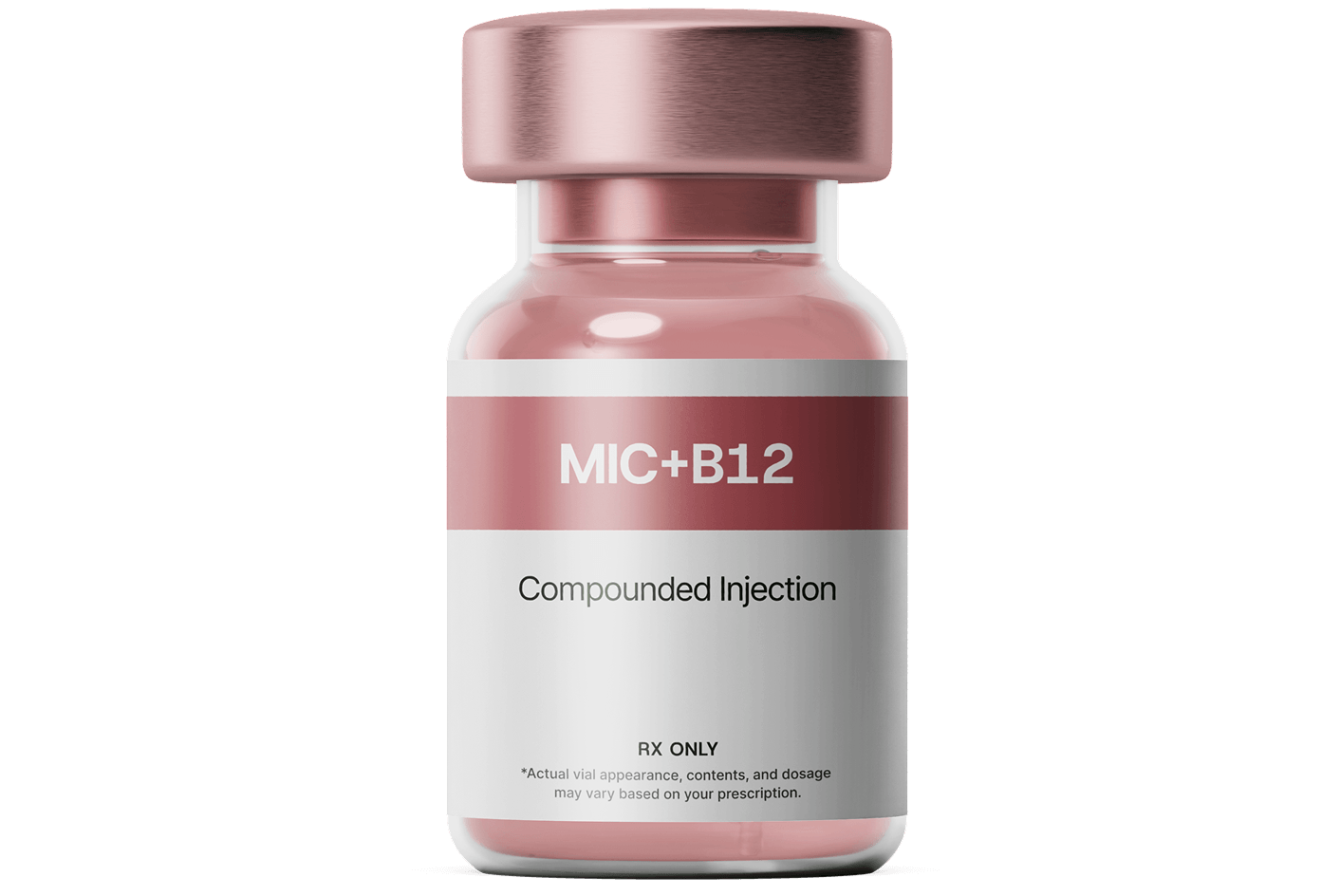
For example, a MIC+B12 preparation contains more than B12. The Helimeds service record identifies methionine, inositol, choline, and methylcobalamin in its compounded MIC+B12 offering. That combination should not be treated as a substitute for a B12-only prescription or assumed to provide additional benefits for a deficiency.
If a preparation is compounded, it is not FDA-approved. The FDA does not review compounded drugs for safety, effectiveness, and quality before marketing. The agency explains this distinction in its information about the risks of compounded drugs.
Read the complete label, not just the vitamin name
Ask the pharmacist to clarify any missing or inconsistent information before administration. Useful details include:
- The full active ingredient name and any additional ingredients.
- Whether the preparation is FDA-approved or compounded.
- The prescribed route and whether administration requires a healthcare professional.
- The concentration, prescribed amount, and matching administration device.
- Storage requirements and the applicable expiration or beyond-use instructions.
- Any previous reaction to the product or its ingredients.
Milligrams or micrograms describe an amount of medicine, milliliters describe liquid volume, and syringe units describe markings on a particular device. They are not interchangeable measurements. The correct measurement depends on the exact concentration and device, so do not transfer syringe instructions between products.
For B12-specific questions, our guide to prescribed B12 injection amounts explains what needs confirmation.
Do you need injections for both vitamins?
A combination can be suitable without being necessary. The most useful starting point is the reason each treatment was recommended, not whether two injections can fit into one appointment.
Symptoms do not establish two deficiencies
Fatigue, weakness, and difficulty concentrating can have many causes. Nutrient deficiencies are possible explanations, but so are sleep problems, anemia from other causes, thyroid disease, medication effects, depression, and other conditions.
B12 deficiency can cause anemia and neurological symptoms, including numbness or tingling. Vitamin D deficiency can affect bone and muscle health. These patterns may guide an evaluation, but symptoms alone cannot reliably identify which vitamin is low or determine whether injections are needed.
Persistent fatigue deserves assessment rather than an automatic series of wellness injections. New or worsening numbness, balance problems, or other neurological symptoms should also be evaluated promptly. Do not assume they will resolve after a vitamin shot.
Testing should answer a clinical question
Clinicians may use blood tests to investigate a suspected deficiency and decide how to monitor treatment. For vitamin D status, the usual nutritional test is 25-hydroxyvitamin D. B12 evaluation may include a serum B12 level, a blood count, and sometimes additional testing when the picture is unclear.
Not everyone needs every vitamin test. Your symptoms, diet, medical history, medicines, and previous results help determine which tests would change care.
Bring the actual laboratory report, including its units and reference range, rather than only remembering that a result was "low." Tell the clinician when you last used supplements or received an injection, because treatment can affect how results are interpreted.
A borderline result, an established deficiency with symptoms, and a normal result do not necessarily call for the same approach. Ask what finding supports each prescription and what follow-up will show whether treatment is adequate.
The cause of deficiency changes the treatment plan
Low intake is only one possible reason for deficiency. B12 problems can also involve impaired absorption, certain medicines, or previous stomach or intestinal surgery. Vitamin D status can be affected by intake, absorption, and medical conditions that alter how the body handles the vitamin.
Identifying the cause helps determine whether treatment is temporary, ongoing, or needs a different route. It also helps avoid repeatedly treating a laboratory result while missing an underlying condition.
Our guide to vitamin B12 intake and dosage for adults distinguishes nutritional needs from prescription replacement.
The NIH Office of Dietary Supplements' vitamin B12 fact sheet describes B12 sources, deficiency risks, and replacement options. It also notes that B12 does not improve energy or endurance in people who already get enough. Correcting a deficiency and taking an injection for an extra energy boost are different goals.
How injections compare with oral replacement
You do not necessarily need the same route for both vitamins. A clinician might recommend injected B12 and oral vitamin D, oral replacement for both, or another approach based on the diagnosis.
When B12 injections may be useful
B12 injections bypass gastrointestinal absorption and may be useful when absorption is impaired or when the clinical situation favors injected replacement. The decision also depends on symptoms, severity, and the ability to follow an oral plan.
Oral B12 can be effective in some circumstances, including some situations involving reduced absorption, when the clinician selects an appropriate regimen. This does not mean you should replace an injection prescription with an over-the-counter tablet yourself.
Ask why the injected route was selected and how response will be assessed. If ongoing injections are difficult to arrange, say so. Practical barriers are relevant to choosing a treatment that can be followed consistently.
Why vitamin D does not automatically need to be injected
Oral vitamin D is commonly used for nutritional supplementation and deficiency treatment. An injection should have a specific clinical rationale rather than being assumed to be stronger, faster, or more effective.
If you have been offered an injectable preparation, ask why it is preferred over an oral option in your situation. Relevant considerations may include absorption problems, previous treatment response, the exact diagnosis, and the product being prescribed.
Neither route eliminates the need to account for total vitamin D exposure. Oral supplements, multivitamins, prescription products, and injections can all contribute to the overall plan.
Food timing is different from injection timing
Advice about taking an oral vitamin with food concerns absorption through the digestive tract. It does not establish when two injected products should be administered.
An injection given into muscle is also not the same as an intravenous infusion. Do not assume that an injection delivers its entire dose immediately into the bloodstream or produces immediate symptom relief.
Follow the instructions for each prescribed route. There is no reason to invent an empty-stomach requirement for an injection based on advice about tablets, and food timing does not resolve whether two injectable products can be mixed.
Safety depends on more than the vitamin pairing
Checking the combination is only one part of safe treatment. The amount prescribed, other products you use, your medical conditions, and reactions to previous injections can matter more than the pairing itself.
Helimeds' important safety information provides general treatment disclosures, not instructions for your exact vitamin preparation.
Vitamin D requires attention to calcium and total exposure
Excessive vitamin D can raise blood calcium, a condition called hypercalcemia. This can cause symptoms such as nausea, vomiting, weakness, unusual thirst, frequent urination, or confusion. Severe toxicity can harm the kidneys and cause other serious complications.
B12 does not prevent or cancel out excessive vitamin D exposure. Spacing the injections apart would not correct an excessive total vitamin D amount.
Tell the clinician about calcium supplements, multivitamins, vitamin D drops or capsules, and injections obtained elsewhere. Also disclose kidney disease, kidney stones, previous high calcium levels, and medicines that may affect calcium or vitamin D handling. These details can change the product choice or monitoring plan.
B12 and injection ingredients can cause reactions
B12 is water-soluble, but that does not make every injectable preparation risk-free. The active ingredient or other components can cause an allergic reaction, and the injection itself can cause local discomfort or bruising.
Tell the prescriber about previous reactions to B12, cobalt, injectable medicines, preservatives, or other known ingredients. If a prior reaction occurred, describe what happened and how soon it started rather than reporting only that the shot "did not agree with you."
Receiving two products together can make the cause of a reaction harder to identify. A clinician may take that into account when arranging administration, especially if either product is new to you.
Recognize symptoms that need more than routine follow-up
Mild soreness at an injection site can occur, but increasing pain, spreading redness, warmth, drainage, or fever needs prompt clinical advice. Do not dismiss worsening symptoms as a sign that the vitamin is working.
Trouble breathing, swelling of the face or throat, collapse, or other signs of a severe allergic reaction require emergency care. In the U.S., call 911.
Repeated vomiting, marked weakness, confusion, or pronounced thirst and frequent urination after vitamin D treatment warrant urgent medical assessment. Bring or provide the product label and the timing of recent doses so the treating team can evaluate the exposure.
A vitamin's normal role in the body does not make an unnecessary or excessive injection beneficial.
What to confirm before your appointment
If both injections have already been prescribed, the next step is a medication check, not a new self-directed schedule. Ask one clinician to review the complete plan, particularly if different services supplied the products.
Bring information that can change the decision
Prepare a short record with:
- Photos or copies of both prescription labels and dispensing instructions.
- Recent laboratory reports and the reason each injection was recommended.
- Dates of recent injections and any oral vitamin D, B12, or calcium use.
- All prescription medicines, over-the-counter products, and supplements.
- Relevant conditions, pregnancy or breastfeeding status, allergies, and previous reactions.
- Symptoms you hope treatment will address, when they began, and whether they are changing.
This makes it easier to identify duplicate treatment and distinguish replacement for a confirmed deficiency from a general wellness offer. It also helps the clinician decide whether further testing or an in-person assessment is appropriate.
Ask for one clear administration and follow-up plan
Useful questions include: "Can these exact products be given at the same visit?" "Who should administer them?" and "What monitoring does each treatment need?"
If separate injections are planned, the healthcare professional should follow the route and administration requirements for each product. If you have been trained to administer a prescription at home, confirm any unclear instructions with the prescriber or dispensing pharmacist before injecting.
Also ask how treatment success will be judged. Symptom improvement, laboratory response, and the cause of deficiency may all matter. Feeling no immediate change does not justify taking an extra injection, and feeling better does not establish that every future dose remains necessary.
Conclusion
Vitamin D and B12 can be used in the same treatment plan when both are appropriate. Separate injections at one appointment may also be suitable, but that decision requires the exact products and your medical circumstances. It does not authorize mixing them in one syringe.
Before your next appointment, gather both labels, your supplement list, and relevant laboratory results. Ask the prescriber or pharmacist to confirm the route, timing, compatibility questions, and monitoring plan. If you are considering injections because of fatigue or other unexplained symptoms, start with an evaluation of the cause rather than assuming you need both vitamins.
For a Helimeds consultation, review how care through Helimeds works; prescribing depends on licensed-provider assessment and state availability.
This article provides general health information and does not replace advice from your licensed healthcare professional.
Frequently asked questions
Do vitamin D and B12 injections have to be given on different days?
Not necessarily; a clinician may determine that separate injections at the same appointment are appropriate. There is no universal spacing rule that can be applied without knowing the exact preparations and your medical history. Follow the confirmed prescription plan rather than adjusting the timing yourself.
Can vitamin D and B12 be mixed if the liquids look normal?
A normal appearance does not establish chemical stability or compatibility. Do not combine separately supplied products in one syringe unless a pharmacist has verified the exact preparations and the prescriber has authorized the administration. Instructions for a professionally prepared combination do not authorize mixing other products at home.
Can I take oral vitamin D while receiving B12 injections?
Oral vitamin D and injected B12 may be used in the same treatment plan when each is appropriate. Their routes do not have to match, and food instructions for the oral product do not determine the B12 injection schedule. Tell the clinician about all vitamin D sources so the total amount can be assessed.
Will taking both injections together improve energy faster?
That should not be expected. Treating a confirmed deficiency may improve symptoms caused by that deficiency, but using both injections does not establish a faster response or an added energy benefit. Persistent or worsening fatigue needs reassessment rather than extra injections.
History
Current Version
Written by Ori Otokpa
Medically reviewed by Dr. Alexandra Christiansen, MD