

Rheumatoid arthritis (RA) is an autoimmune disease that causes chronic joint inflammation, pain, swelling, stiffness, and, over time, possible cartilage and bone damage. Standard RA care focuses on controlling inflammation early, protecting joint function, and slowing disease progression.
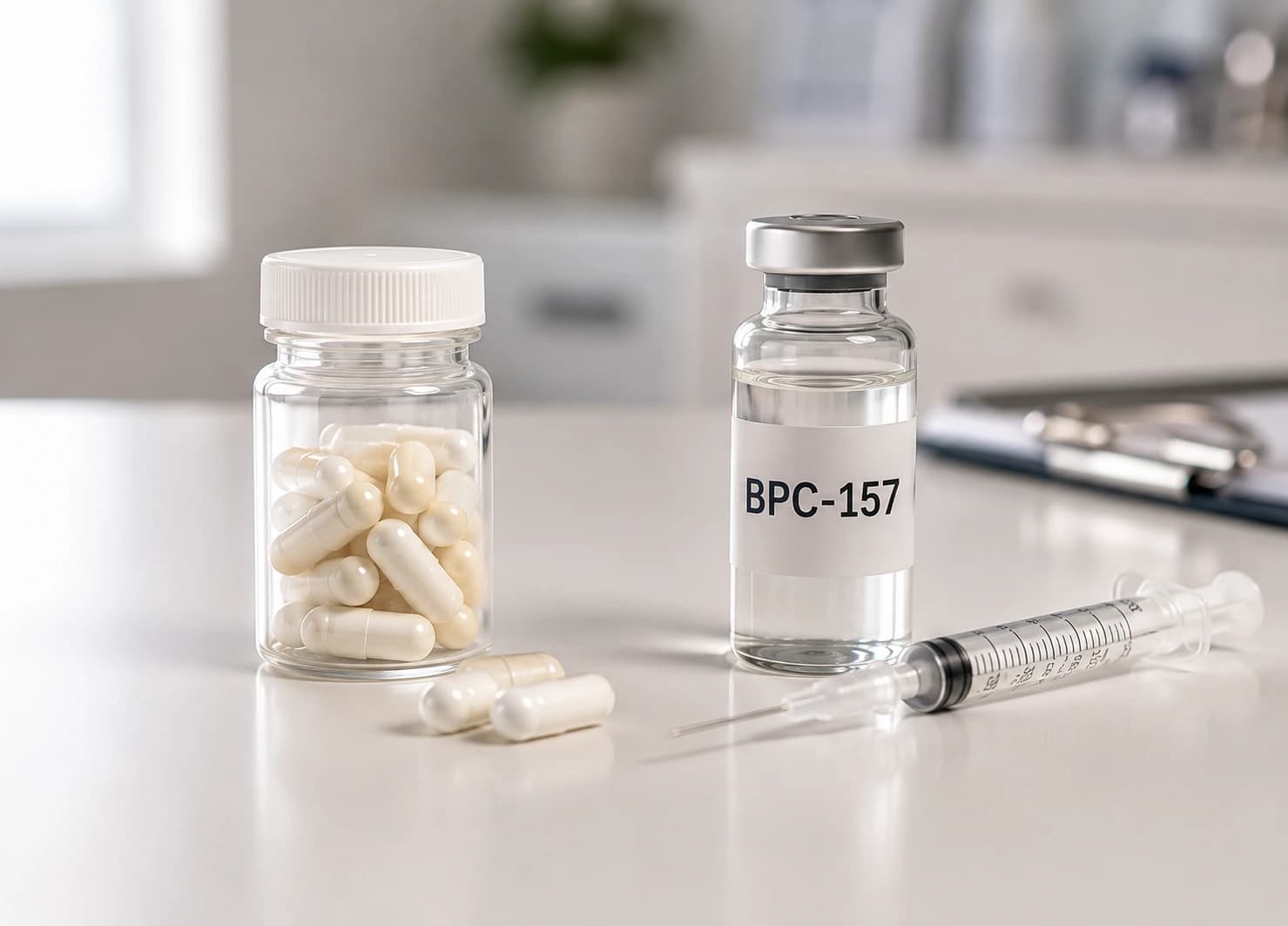
Recently, the peptide BPC 157 has attracted attention online as a possible experimental option for inflammation and tissue repair. However, most evidence behind BPC 157 comes from laboratory and animal research, not from large human clinical trials in people with rheumatoid arthritis.
This article explains what BPC 157 peptide is, how it may work in joint repair, what the current evidence shows, what safety concerns remain, and how it compares with other investigational peptides for joint pain.
The FDAs Pharmacy Compounding Advisory Committee (PCAC) will review seven peptides to potentially allow compounders to produce them. These include BPC-157, KPV, TB-500, MOTs-C, Emideltide (DSIP), Semax, and Epitalon. The review follows a shift in oversight to potentially increase access to these substances.
Key details regarding the July 2026 review:
July 23, 2026 Review: BPC-157 (wound/injury), KPV (inflammation), TB-500 (wound healing), and MOTs-C (obesity/osteoporosis).
July 24, 2026 Review: Emideltide (opioid withdrawal/insomnia), Semax (ischemia/migraine), and Epitalon (insomnia).
Purpose: To determine if these peptides can be added to the 503A bulk drugs list, allowing compounding pharmacies to create them, reversing earlier restrictions.
These peptides are currently heavily utilized in wellness, longevity, and restorative medicine but have faced regulatory uncertainty regarding their safety and legality.
[6:08 PM]source: https://www.fda.gov/advisory-committees/advisory-committee-calendar/july-23-24-2026-meeting-pharmacy-compounding-advisory-committee-07232026