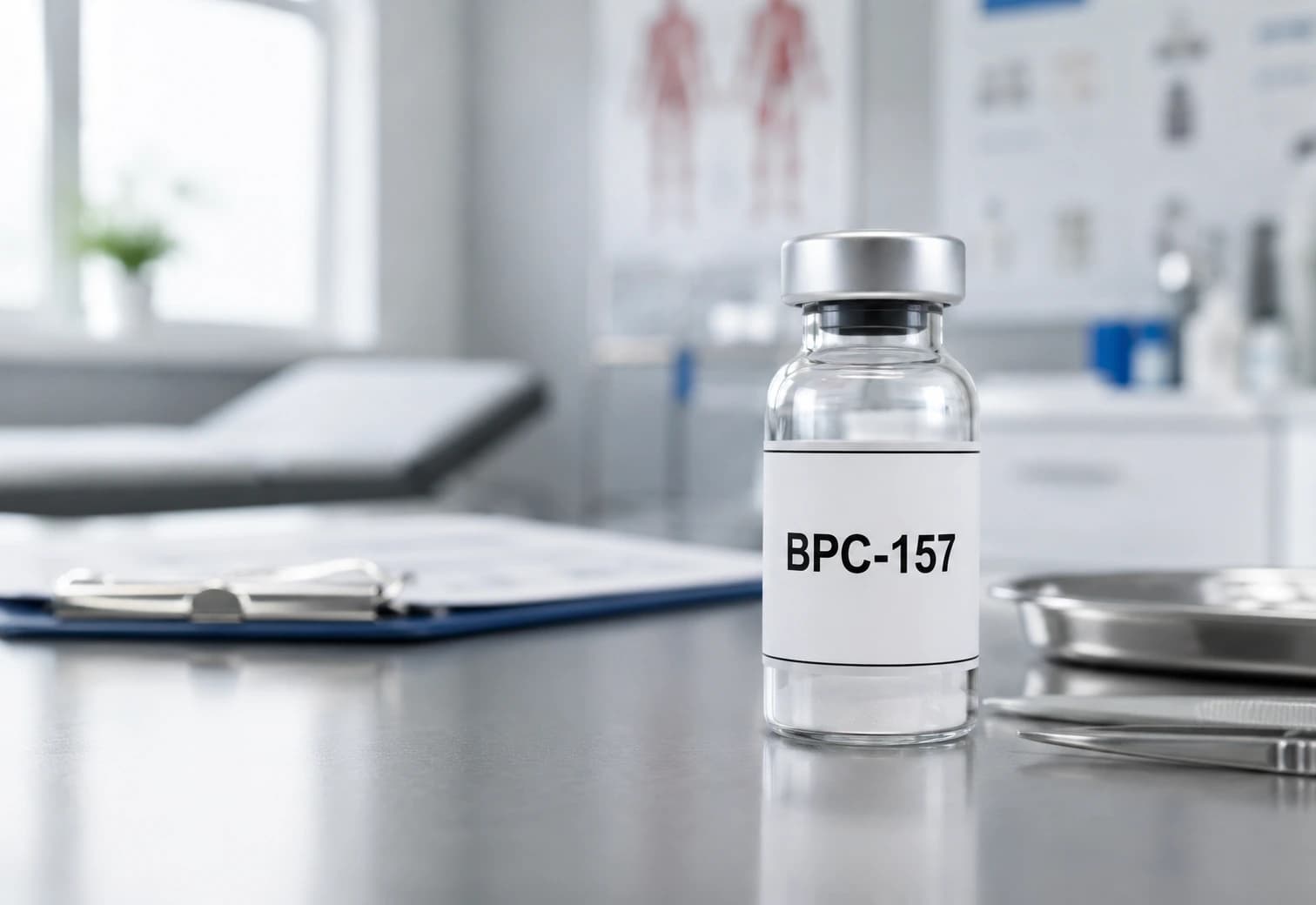

Tendonitis, or inflammation and irritation of a tendon, can affect athletes, desk workers, and active adults alike. It often causes pain, stiffness, swelling, and reduced function, especially in the shoulders, elbows, wrists, knees, or Achilles tendon. Recovery can be frustrating, particularly when symptoms become recurrent or develop into longer-term tendon problems.
Because of that, interest has grown around BPC 157, an experimental peptide often discussed in relation to tissue healing and recovery. Supporters suggest it may help reduce pain, improve tendon repair, and support a faster return to activity. Still, most evidence behind BPC 157 comes from laboratory and animal research rather than large human studies.
In this guide, we’ll explain what BPC 157 peptide is, how it may work, what potential benefits are being discussed, and what is currently known about safety, dosing questions, and real-world use.
The FDAs Pharmacy Compounding Advisory Committee (PCAC) will review seven peptides to potentially allow compounders to produce them. These include BPC-157, KPV, TB-500, MOTs-C, Emideltide (DSIP), Semax, and Epitalon. The review follows a shift in oversight to potentially increase access to these substances.
Key details regarding the July 2026 review:
July 23, 2026 Review: BPC-157 (wound/injury), KPV (inflammation), TB-500 (wound healing), and MOTs-C (obesity/osteoporosis).
July 24, 2026 Review: Emideltide (opioid withdrawal/insomnia), Semax (ischemia/migraine), and Epitalon (insomnia).
Purpose: To determine if these peptides can be added to the 503A bulk drugs list, allowing compounding pharmacies to create them, reversing earlier restrictions.
These peptides are currently heavily utilized in wellness, longevity, and restorative medicine but have faced regulatory uncertainty regarding their safety and legality.
[6:08 PM]source: https://www.fda.gov/advisory-committees/advisory-committee-calendar/july-23-24-2026-meeting-pharmacy-compounding-advisory-committee-07232026