


Get GLP1+GIP for $37.25/week
Start Now

BPC 157 for Tendonitis: A Comprehensive Guide

A woman taking BPC-157 pill early in the morning
Heli's Fact-Checking Standards

Every piece of content at Heli's adheres to the highest editorial standards for language, style, and medical accuracy. To learn what we do to deliver the best health and lifestyle insights to you, Check out our content review principles.

BPC-157 is a synthetic peptide derived from a protein in gastric juice. Interest in BPC-157 has grown due to its reported benefits in tissue healing, gut protection, and inflammation control. Optimizing when and how you take BPC-157 can influence its effectiveness. This guide focuses on bpc-157 dosage timing on an empty stomach, compares routes of administration, and outlines dosing-related safety precautions.

The FDA’s Pharmacy Compounding Advisory Committee (PCAC) will review seven peptides to potentially allow compounders to produce them. These include BPC-157, KPV, TB-500, MOTs-C, Emideltide (DSIP), Semax, and Epitalon. The review follows a shift in oversight to potentially increase access to these substances.

Key details regarding the July 2026 review:

July 23, 2026 Review: BPC-157 (wound/injury), KPV (inflammation), TB-500 (wound healing), and MOTs-C (obesity/osteoporosis).

July 24, 2026 Review: Emideltide (opioid withdrawal/insomnia), Semax (ischemia/migraine), and Epitalon (insomnia).

Purpose: To determine if these peptides can be added to the 503A bulk drugs list, allowing compounding pharmacies to create them, reversing earlier restrictions.

These peptides are currently heavily utilized in wellness, longevity, and restorative medicine but have faced regulatory uncertainty regarding their safety and legality.

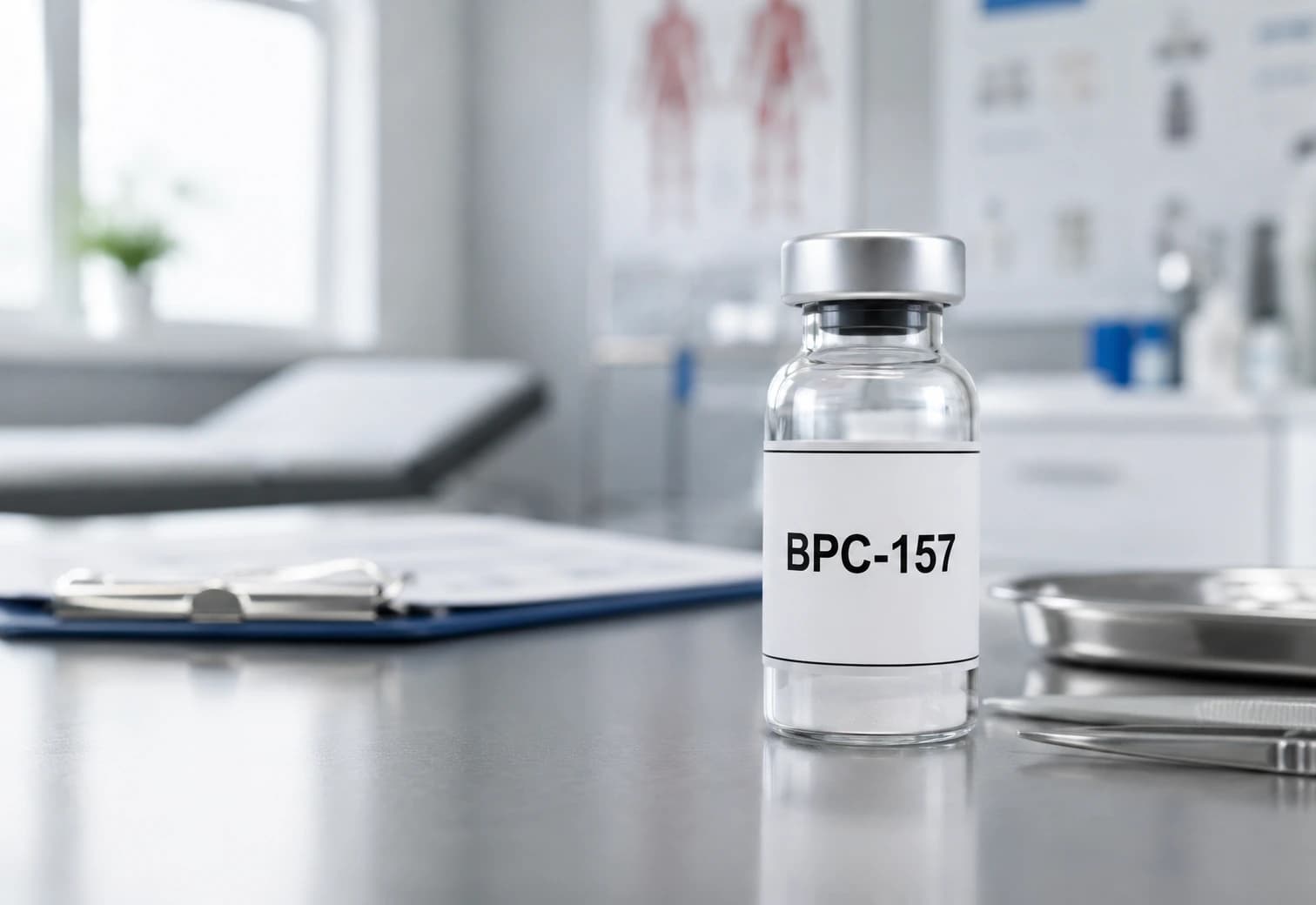

Understanding BPC-157: What It Is and How It Works

BPC-157 belongs to a class of compounds known as peptides—short chains of amino acids—that can influence biological processes. In rodent studies, BPC-157 has been shown to accelerate tendon and ligament repair, safeguard the gut lining, and reduce inflammation, according to the Journal of Physiology and Pharmacology review, 2018. In humans, clinical data remain limited, but anecdotal reports and early safety studies suggest benefits in soft-tissue recovery and gastrointestinal health.

Benefits of BPC-157

  • Accelerated healing of tendons and ligaments

  • Protection and repair of the gastrointestinal mucosa

  • Anti-inflammatory effects in musculoskeletal injuries

  • Potential support for muscle recovery and pain reduction

Mechanism of Action

BPC-157 appears to promote angiogenesis (new blood vessel formation) by upregulating growth factors such as VEGF. It also modulates nitric oxide pathways, helping regulate inflammation and blood flow. In the digestive tract, BPC-157 stabilizes tight-junction proteins (e.g., occludin) and reduces oxidative stress, supporting mucosal integrity.

Optimal Timing for BPC-157 Dosage on an Empty Stomach

Taking BPC-157 on an empty stomach can enhance its bioavailability by minimizing competition from dietary proteins and fats. For oral or sublingual bpc 157 dosing, waiting at least two hours after a meal or dosing first thing in the morning with water is common practice.

Enhanced Absorption and Bioavailability

In animal pharmacokinetic studies, fasting increased circulating BPC-157 levels by up to 25% compared with fed administration. An empty stomach reduces enzymatic breakdown and may improve peptide transport across the gut lining.

Comparing With Fed-State Administration

When taken with food—especially high-fat meals—stomach enzymes can accelerate peptide degradation, potentially lowering the effective dose. A small pilot study in athletes found more consistent blood levels when oral doses were taken in a fasted state versus with dinner in the evening. Until larger human trials are available, most clinicians recommend empty-stomach administration for both oral and sublingual routes.

What to Know About BPC-157 Dosage Ranges

Standard BPC-157 Dose Ranges

Typical bpc157 dosage varies by delivery method and therapeutic goal. Oral, sublingual, and injectable forms may be discussed differently in clinical or wellness settings, but dosing should not be adjusted without guidance from a qualified healthcare provider.

Because human data remain limited, the safest approach is to avoid self-directed dose changes and use BPC-157 only under medical supervision.

BPC-157 Dosage Chart Considerations

A bpc 157 dosage chart can be useful for clinicians when organizing timing, route, and monitoring, but it should not replace individualized medical guidance. The right schedule may depend on the reason for use, health history, product formulation, route of administration, and tolerability.

For anyone using BPC-157 under professional supervision, a chart may help track:

  • Time of administration

  • Route of administration

  • Response over time

  • Side effects or tolerability changes

  • Training, rehab, or symptom patterns

Adjusting for Bodyweight and Goals

Bodyweight, injury severity, gastrointestinal symptoms, and recovery goals may influence how a clinician evaluates peptide use. People with more complex injuries or chronic symptoms may need a more careful medical assessment before considering BPC-157.

Always discuss peptide dosing with a qualified healthcare provider.

Injection vs Oral BPC-157: Pros, Cons, and Best Practices

Pros and Cons of BPC-157 Injection

Pros:

  • Higher bioavailability

  • Faster onset

  • Precise dosing for targeted tissue repair

Cons:

Clinicians often favor injections for acute tendon or ligament injuries.

Practical Tips for Oral BPC-157 Dosage

Oral BPC-157 is often discussed for gastrointestinal support and general recovery. If a clinician recommends oral or sublingual BPC-157, follow their instructions carefully and use the product only as directed.

General considerations include:

  • Taking it consistently according to the recommended schedule

  • Avoiding unapproved dose changes

  • Monitoring symptoms and tolerability

  • Storing the product according to manufacturer guidelines

  • Reporting unusual reactions to a healthcare professional

Oral BPC-157 is ideal for gastrointestinal support and general recovery.

Injectable BPC-157: Safety Considerations

Medical Supervision and Sterile Technique

Injectable BPC-157 requires medical oversight because injections involve sterility, product quality, route of administration, and injection-site safety. Improper handling or contaminated products may increase the risk of complications.

Anyone using injectable peptides should follow clinician instructions and rely on safe injection practices from qualified medical professionals.

Injection-Site Considerations

Injection-site decisions should be made by a healthcare professional. Site choice may depend on the treatment goal, tissue condition, patient comfort, and clinical judgment.

Common considerations include:

  • Avoiding irritated or damaged skin

  • Monitoring for redness, swelling, or pain

  • Rotating sites when clinically appropriate

  • Reporting persistent irritation or unusual symptoms

Frequently Asked Questions

Can I Take BPC-157 With Coffee or Supplements?

It may be better to separate BPC-157 from coffee, protein powders, collagen, supplements, and other peptides unless your clinician says otherwise.

How Long Does It Take to Notice Results From BPC-157?

Does the FDA Review Mean BPC-157 Is Approved?

Can Athletes Use BPC-157?

Disclaimer: This website connects patients with licensed healthcare providers who can evaluate medical conditions and prescribe medications when appropriate. Some medications available through this service may be compounded drugs, which are customized formulations prepared by a pharmacy. The FDA does not conduct premarket review for compounded drugs to evaluate their safety, effectiveness, or quality. (See here: https://www.fda.gov/consumers/consumer-updates/it-really-fda-approved). Individual results may vary, and these medications should only be used under the guidance of a qualified healthcare professional. The information in this article is for educational purposes only and should not be considered medical advice. Always consult your healthcare provider before starting any new treatment.

How we reviewed this article:
Sources
History

Helimeds has strict sourcing guidelines and relies on peer-reviewed studies, academic research institutions, and medical associations. We avoid using tertiary references. You can learn more about how we ensure our content is accurate and current by reading our editorial policy.

Share this post:

Related Posts