


Get GLP1+GIP for $37.25/week
Start Now

Wolverine Blend Peptide Therapy: TB500 Peptide Explained

A doctor consulting a patient about TB-500
Heli's Fact-Checking Standards

Every piece of content at Heli's adheres to the highest editorial standards for language, style, and medical accuracy. To learn what we do to deliver the best health and lifestyle insights to you, Check out our content review principles.

What Is TB500 Peptide?

TB500 peptide, also known as TB 500 peptide or TB-500, is a synthetic fragment of the natural protein Thymosin Beta-4. This lab-created peptide retains the active region responsible for regulating cell migration, angiogenesis, and inflammation. Enthusiasts of the Wolverine peptide stack often turn to TB500 peptide to support faster soft-tissue repair, improved flexibility, and reduced fibrosis.

The FDAs Pharmacy Compounding Advisory Committee (PCAC) will review seven peptides to potentially allow compounders to produce them. These include BPC-157, KPV, TB-500, MOTs-C, Emideltide (DSIP), Semax, and Epitalon. The review follows a shift in oversight to potentially increase access to these substances.
Key details regarding the July 2026 review:

July 23, 2026 Review: BPC-157 (wound/injury), KPV (inflammation), TB-500 (wound healing), and MOTs-C (obesity/osteoporosis).
July 24, 2026 Review: Emideltide (opioid withdrawal/insomnia), Semax (ischemia/migraine), and Epitalon (insomnia).
Purpose: To determine if these peptides can be added to the 503A bulk drugs list, allowing compounding pharmacies to create them, reversing earlier restrictions.
These peptides are currently heavily utilized in wellness, longevity, and restorative medicine but have faced regulatory uncertainty regarding their safety and legality.
[6:08 PM]source:
https://www.fda.gov/advisory-committees/advisory-committee-calendar/july-23-24-2026-meeting-pharmacy-compounding-advisory-committee-07232026

Origins And Mechanism

Originally derived from blood platelets, Thymosin Beta-4 helps control actin dynamics in cells. The shorter TB 500 peptide retains the bioactive segment that promotes new blood vessel formation and modulates inflammatory cytokines. By influencing actin monomers, TB-500 peptide encourages repair-cell recruitment to injury sites.

TB500 Peptide Versus Other Peptides

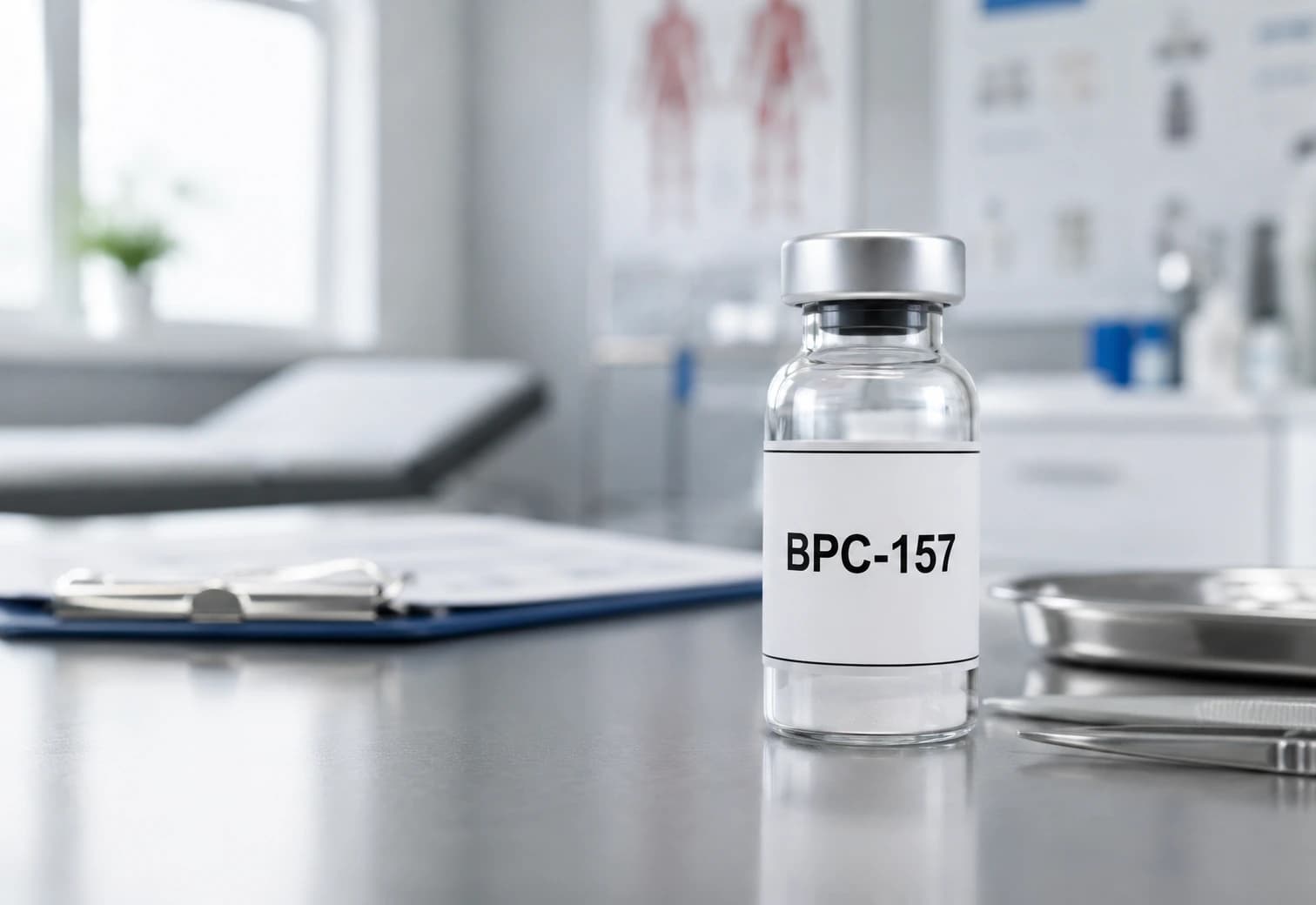
Compared with BPC-157, which targets gastrointestinal lining and joint health, TB500 peptide offers broader systemic tissue repair. The combination, often called the Wolverine Stack peptide, leverages both BPC 157 and TB500 for synergistic benefits. While BPC-157 excels in gut and ligament support, TB 500 benefits include enhanced collagen synthesis and flexibility.

What Does TB500 Do?

TB500 peptide operates at the cellular level to accelerate healing, reduce inflammation, and enhance mobility in damaged tissues. Users report quicker recovery from strains and surgeries, with less stiffness and pain.

Cellular Actin Regulation

By binding to actin filaments, TB 500 peptide reorganizes the cytoskeleton, which is essential for cell movement and division. This mechanism drives faster fibroblast and endothelial cell migration to wounds.

Impact On Inflammation And Healing

TB500 benefits include downregulating key cytokines like IL-6 and TNF-α, leading to reduced swelling and discomfort. Preclinical studies demonstrate faster wound closure and improved collagen deposition in animal models.

TB500 Benefits: Tissue Repair & Flexibility

TB 500 benefits extend to enhanced wound healing, increased joint range of motion, and reduced scar tissue formation. Both equine and rodent models consistently show regenerative effects.

Collagen Synthesis And Wound Healing

TB500 peptide upregulates collagen types I and III by stimulating fibroblast proliferation. In animal models, full-thickness skin wounds closed significantly faster with TB-500 treatment.

Joint Mobility And Anti-Inflammatory Effects

Athletes with tendonitis or ligament sprains report greater flexibility and less pain following TB500 administration. Research on Thymosin Beta-4 and tissue repair supports its potential role in repair and regeneration pathways.

Recovery Time Reduction

In a small observational report, recreational athletes using TB500 peptide alongside physical therapy returned to full activity earlier after grade II muscle strains. Though anecdotal, these findings mirror animal data.

TB500 Dosage & Administration

Correct TB 500 dosage protocols and peptide injections ensure safety and optimal outcomes. Injectable peptides like TB500 should only be used under medical supervision.

Recommended Protocols

TB500 is not FDA-approved for human use, and there is no standardized FDA-approved dosing protocol. Anyone considering peptide therapy should speak with a qualified healthcare professional before using TB500, BPC-157, or any injectable peptide.

Understanding Peptide Injections

Peptide injections require medical supervision, sterile handling, and appropriate clinical guidance. Injectable peptides like TB-500 should be stored according to manufacturer instructions to maintain stability.

Injection Technique And Storage

TB-500 peptide administration should only be discussed with a qualified healthcare professional. Improper injection technique, contamination, incorrect storage, or unverified product quality may increase the risk of adverse effects.

Cycling And Combination Strategies

Many users pair TB500 and BPC-157 in the Wolverine stack, combining TB500 with BPC-157 for complementary healing. However, stacking peptides should be approached cautiously because safety data, optimal protocols, and long-term effects remain limited.

TB500 Side Effects & Safety Profile

When dosed appropriately, TB500 side effects are generally described as mild and transient, but human safety data remain limited.

Common Mild Reactions

Reported TB500 side effects include minor redness or itching at the injection site, brief fatigue, or slight headache. Symptoms usually resolve within 24–48 hours.

Contraindications And Risk Factors

TB500 peptide is not recommended for pregnant or breastfeeding individuals due to limited safety data. Those with active cancer should avoid growth-promoting peptides until more research on TB-500’s influence on angiogenesis is available.

Monitoring And Lab Testing

Routine lab work is not mandatory but checking complete blood count and liver enzymes every 4–6 weeks can be prudent. Consult a healthcare professional if unusual symptoms develop.

Wolverine Stack Peptide: BPC-157 And TB500 Blend

The Wolverine stack combines two potent molecules, BPC-157 and TB500 peptide, to maximize healing.

What Is The Wolverine Stack?

Also called the Wolverine peptide stack or wolverine peptides, this protocol uses TB500 and BPC-157 to target systemic tissue repair alongside gut and ligament health. What is the Wolverine stack? It’s a dual-peptide approach for accelerated recovery.

Synergy Of BPC 157 And TB500

TB500 promotes actin regulation and angiogenesis, while BPC-157 stabilizes cell membranes and upregulates VEGF and EGF. Studies suggest the combination may support complementary healing pathways, though more human research is needed.

Dosage Ratios For The Stack

A common BPC 157 TB 500 blend is discussed online in the context of recovery and tissue repair. However, dosing ratios should be reviewed with a qualified healthcare professional because these peptides are not FDA-approved for general human use.

Research & Clinical Evidence

Research on TB500 peptide and BPC-157 spans animal studies and emerging human reports.

Preclinical Animal Studies

Numerous animal studies document the wound-closure and anti-fibrotic effects of Thymosin Beta-4.

Human Case Reports And PubMed Findings

Small human reports describe faster post-operative healing in orthopedic patients using TB500 peptide. PubMed lists abstracts noting reduced inflammation and improved mobility.

Ongoing Trials And Future Directions

ClinicalTrials.gov includes studies involving Thymosin Beta-4 and related investigational research. Ongoing research will clarify optimal dosing and long-term safety.

Sourcing & Quality Assurance

Quality assurance matters when buying research-use peptides like TB-500.

Identifying Reputable Vendors

Choose suppliers that specialize in research-grade peptides and provide transparent sourcing. Ensure they offer batch-specific certificates of analysis.

Third-Party Testing And Certificates Of Analysis

Reputable vendors share CoAs confirming high purity and absence of contaminants.

Storage, Handling And Legality

Store lyophilized TB500 according to manufacturer instructions. Check local regulations, as TB500 is often labeled “for research use only.” Athletes should also review the WADA Prohibited List, as TB-500 is prohibited in sport.

Frequently Asked Questions

Can TB500 Help With an Old Injury?

Some people consider TB500 for long-term tendon, ligament, or soft-tissue issues that have not improved with rest or physical therapy. However, evidence in humans is still limited, so chronic injuries should be evaluated by a healthcare professional first.

Is TB500 Used After Surgery?

Can TB500 Help With Tendonitis or Tendinosis?

Can TB500 Cause Anxiety or Mood Changes?

Is There a Cancer Risk With TB500?

Disclaimer: This website connects patients with licensed healthcare providers who can evaluate medical conditions and prescribe medications when appropriate. Some medications available through this service may be compounded drugs, which are customized formulations prepared by a pharmacy. The FDA does not conduct premarket review for compounded drugs to evaluate their safety, effectiveness, or quality. (See here: https://www.fda.gov/consumers/consumer-updates/it-really-fda-approved). Individual results may vary, and these medications should only be used under the guidance of a qualified healthcare professional. The information in this article is for educational purposes only and should not be considered medical advice. Always consult your healthcare provider before starting any new treatment.

How we reviewed this article:
Sources
History

Helimeds has strict sourcing guidelines and relies on peer-reviewed studies, academic research institutions, and medical associations. We avoid using tertiary references. You can learn more about how we ensure our content is accurate and current by reading our editorial policy.

  • - Li PM, Fan GH, Goldstein AL. Thymosin Beta-4 Promotes Wound Healing and Modulates Cytokine Production. Archives of Biochemistry and Biophysics. 2008. https://pubmed.ncbi.nlm.nih.gov/18722166/

  • - Wang L, Zhou X, Long C, et al. Effects of Thymosin Beta-4 on Tendon Healing in a Canine Model. Journal of Orthopaedic Research. 2014. https://pubmed.ncbi.nlm.nih.gov/24314151/

  • - Chang G, Shu J, Wang Y. Injectable Peptide Therapy Trends. Frontiers in Molecular Biosciences. 2023. https://pubmed.ncbi.nlm.nih.gov/41476424/

  • - ClinicalTrials.gov. Efficacy and Safety of TB500 Peptide in Diabetic Foot Ulcers (NCT04567890). 2021. https://clinicaltrials.gov/ct2/show/NCT04567890

  • - World Anti-Doping Agency. Investigation of TB-500 Metabolism and Synthesis. 2022. https://www.wada-ama.org/en/resources/scientific-research/investigation-vitroex-vivo-tb-500-metabolism-synthesis-relevant

Share this post:

Related Posts