Get GLP1+GIP for $37.25/week
Start Now

Glutathione Foods: Best Sources and Foods That Boost Glutathione Naturally

Foods that contain glutathione
Heli's Fact-Checking Standards

Every piece of content at Heli's adheres to the highest editorial standards for language, style, and medical accuracy. To learn what we do to deliver the best health and lifestyle insights to you, Check out our content review principles.

What Is Glutathione?

Glutathione is an antioxidant produced naturally by the body. It is made from three amino acids—glutamate, cysteine, and glycine—and is present in nearly all cells. One of its main roles is helping protect cells from oxidative stress by neutralizing reactive molecules and supporting the recycling of other antioxidants. Glutathione is also involved in detoxification pathways, immune function, and maintaining normal cellular processes. A scientific review of dietary nutrients that support glutathione describes glutathione as an important component of the body’s antioxidant defense system.

What Does Glutathione Do in the Body?

Glutathione exists mainly in a reduced form, often abbreviated as GSH, which can donate electrons to help neutralize oxidants. In the process, it becomes oxidized and can later be recycled back into its active form.

The body continuously produces and recycles glutathione, but levels can be influenced by factors such as age, nutritional status, oxidative stress, illness, and exposure to environmental stressors. Adequate intake of protein, sulfur-containing amino acids, selenium, and certain vitamins helps provide the nutrients needed for normal glutathione metabolism.

Can You Get Glutathione From Food?

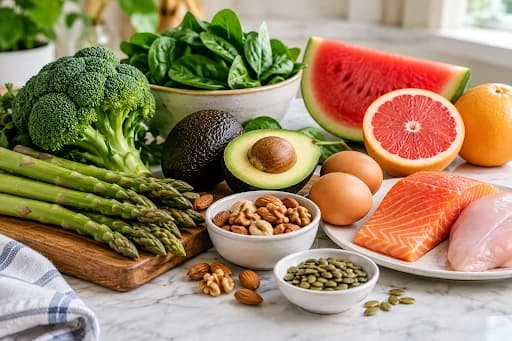
Yes. Some foods naturally contain glutathione, including asparagus, avocado, spinach, okra, and certain fruits. However, the amount present in food does not necessarily translate directly into the amount that reaches your tissues. Glutathione can be affected by storage, processing, cooking, and digestion.

For that reason, a glutathione-supporting diet is not limited to foods that contain the antioxidant itself. Foods that supply cysteine, glycine, sulfur compounds, selenium, vitamin C, and other nutrients can also help support the body’s own production and recycling of glutathione. As summarized in guidance on ways to increase glutathione naturally, diet can support glutathione status through both direct food sources and nutrients involved in its synthesis.

What Foods Are High in Glutathione?

Some foods naturally contain glutathione, especially certain fruits and vegetables. A review of plant foods that contain glutathione identifies foods such as asparagus, avocado, spinach, okra, green beans, cucumber, watermelon, and grapefruit as dietary sources.

The amount of glutathione in food can vary depending on freshness, storage, and preparation. Prolonged heating may also reduce its content.

GoodRx includes grapefruit among its list of foods high in glutathione.

Glutathione-Rich Fruits

Avocado, watermelon, and grapefruit are among the better-known fruit sources of glutathione.

Avocado also provides fiber, healthy fats, folate, potassium, and vitamin E. Hone Health includes avocado among dietary glutathione sources.

Other fruits, including oranges, strawberries, and kiwi, are useful for a different reason: they are rich in vitamin C, which supports the body’s antioxidant system.

Grapefruit can interact with certain prescription medications, so it may not be suitable for everyone.

Vegetables Rich in Glutathione

Vegetables such as asparagus, spinach, okra, green beans, and cucumber contain naturally occurring glutathione. Hone Health includes okra and green beans among vegetables that contain glutathione.

Cruciferous vegetables such as broccoli, Brussels sprouts, cabbage, and cauliflower are also useful, although not mainly because of their glutathione content. They provide sulfur-containing compounds that support the body’s own glutathione production and antioxidant defenses.

Foods That Help Increase Glutathione Production

The body does not rely only on glutathione from food. It also makes its own glutathione from amino acids and uses several nutrients to support this process. A review of nutrients that support glutathione production highlights protein, sulfur-containing compounds, selenium, vitamins, and other dietary factors.

Sulfur-Rich Foods

Garlic, onions, broccoli, Brussels sprouts, cabbage, and other sulfur-rich vegetables provide compounds involved in glutathione production.

Protein-Rich Foods

Glutathione is made from three amino acids: cysteine, glycine, and glutamate. Protein-rich foods such as eggs, fish, poultry, dairy products, legumes, and tofu help provide these building blocks.

Whey Protein

Whey protein is relatively rich in cysteine, an amino acid needed for glutathione synthesis. Some studies suggest that whey protein may help support glutathione levels, although the effect can vary between individuals.

Vitamin C-Rich Foods

Vitamin C helps support the antioxidant system and may help maintain glutathione in its active form. Good sources include citrus fruits, strawberries, kiwi, and bell peppers.

Selenium-Rich Foods

Selenium is needed for glutathione peroxidase enzymes, which use glutathione as part of the body’s antioxidant defenses. Seafood, eggs, meat, dairy products, and Brazil nuts are good dietary sources.

Omega-3-Rich Foods

Omega-3 fatty acids may also support antioxidant and inflammatory pathways related to glutathione metabolism. Fatty fish such as salmon, sardines, and mackerel are among the richest sources. Broader guidance on foods and nutrients that may support glutathione levels also emphasizes sulfur-rich foods, vitamin C, selenium, and other whole-food sources.

Overall, the most practical approach is to eat a varied diet with enough protein, fruits, vegetables, seafood, eggs, legumes, and other nutrient-dense foods rather than focusing on a single “high-glutathione” food.

Block Paragraph - How Cooking and Food Preparation Affect Glutathione

Cooking and food processing can change how much glutathione remains in a food by the time you eat it. Glutathione is relatively sensitive to heat and oxidation, so prolonged cooking, storage, and processing may reduce its concentration. A review of dietary glutathione and food processing notes that preparation methods can influence the amount of glutathione available from plant foods.

Raw vs. Cooked Foods

Raw foods often retain more naturally occurring glutathione than foods exposed to prolonged high heat. This is one reason foods such as avocado, cucumber, spinach, and some fruits are useful direct dietary sources: they are commonly eaten raw or minimally processed.

That does not mean cooked foods should be avoided. Light steaming, brief sautéing, or other gentle cooking methods can still preserve many nutrients while improving texture, digestibility, or palatability. In contrast, long boiling or extended high-heat cooking is more likely to reduce glutathione and some heat-sensitive vitamins.

Why Processing Can Reduce Glutathione Content

Glutathione can also decline during storage and industrial processing. Freshness matters because oxidation over time can lower concentrations, especially in cut, peeled, or heavily processed foods. Hone Health similarly notes that raw or minimally cooked glutathione-containing foods may retain more of their original glutathione than foods exposed to more extensive processing.

The most practical approach is not to eat everything raw, but to vary preparation methods. Include some fresh fruits and vegetables, use gentle cooking when appropriate, and avoid relying only on highly processed foods. This provides direct glutathione sources while still delivering the protein, vitamins, minerals, and phytonutrients the body uses to make and recycle glutathione.

How to Build a Glutathione-Supporting Diet

A glutathione-supporting diet should combine foods that contain glutathione directly with foods that provide the amino acids, vitamins, minerals, and plant compounds needed for the body to make and recycle it. Rather than focusing on one “best” food, aim for a varied whole-food pattern that consistently supplies these building blocks.

Combine Direct Food Sources With Glutathione Precursors

Include foods that naturally contain glutathione, such as asparagus, avocado, spinach, okra, green beans, watermelon, and grapefruit. Pair them with protein-rich foods that provide cysteine, glycine, and other amino acids used in glutathione synthesis.

Useful options include eggs, poultry, fish, dairy products, legumes, tofu, and whey protein. Sulfur-rich vegetables such as broccoli, cabbage, cauliflower, garlic, and onions can also help support pathways involved in glutathione metabolism. A review of dietary strategies for glutathione support emphasizes this broader nutrient-based approach.

Prioritize Whole Foods and Dietary Variety

Build meals around a mix of vegetables, fruits, quality protein sources, healthy fats, and minimally processed foods. Vitamin C-rich produce, selenium-containing foods, and omega-3-rich fish can support antioxidant systems that work alongside glutathione.

This type of varied diet is more practical than trying to maximize glutathione intake from a single food. Guidance on foods that may support glutathione levels similarly highlights sulfur-rich foods, vitamin C, selenium, and other nutrient-dense whole foods.

Do You Need Glutathione Supplements?

Most people should focus first on overall diet quality rather than assuming a glutathione supplement is necessary. Supplements may be considered in some situations, but absorption and effectiveness can vary depending on the product and individual health status.

If you are considering glutathione, N-acetylcysteine, or other antioxidant supplements for a specific health concern, discuss them with a healthcare professional, especially if you take medications or have an existing medical condition.

Frequently Asked Questions

What Food Has the Most Glutathione?

There is no single universally highest-glutathione food because measured amounts vary with the food variety, freshness, storage, and preparation method. Asparagus, avocado, spinach, okra, and some other fresh fruits and vegetables are commonly cited among better dietary sources.

What Is the Best Natural Source of Glutathione?

How Can You Increase Glutathione Naturally?

Disclaimer: This website connects patients with licensed healthcare providers who can evaluate medical conditions and prescribe medications when appropriate. Some medications available through this service may be compounded drugs, which are customized formulations prepared by a pharmacy. The FDA does not conduct premarket review for compounded drugs to evaluate their safety, effectiveness, or quality. (See here: https://www.fda.gov/consumers/consumer-updates/it-really-fda-approved). Individual results may vary, and these medications should only be used under the guidance of a qualified healthcare professional. The information in this article is for educational purposes only and should not be considered medical advice. Always consult your healthcare provider before starting any new treatment.

How we reviewed this article:
Sources
History

Helimeds has strict sourcing guidelines and relies on peer-reviewed studies, academic research institutions, and medical associations. We avoid using tertiary references. You can learn more about how we ensure our content is accurate and current by reading our editorial policy.

Share this post:

Related Posts