

Get GLP1+GIP for $37.25/week
Start Now

Cmax Peptides Semax Dosage: Complete Guide to Protocol, Safety & Best Practices

Doctor explaining a patient semax dosages
Heli's Fact-Checking Standards

Every piece of content at Heli's adheres to the highest editorial standards for language, style, and medical accuracy. To learn what we do to deliver the best health and lifestyle insights to you, Check out our content review principles.

Semax is a synthetic neuropeptide classified among cmax peptides for its rapid absorption and short half-life. Originally developed in Russia during the 1980s to support recovery after stroke and head injury, semax is now explored worldwide for its nootropic, neuroprotective, and mood-stabilizing effects. It is commonly formulated as a semax nasal spray or as an injectable solution, allowing for flexible dosing protocols under medical supervision.

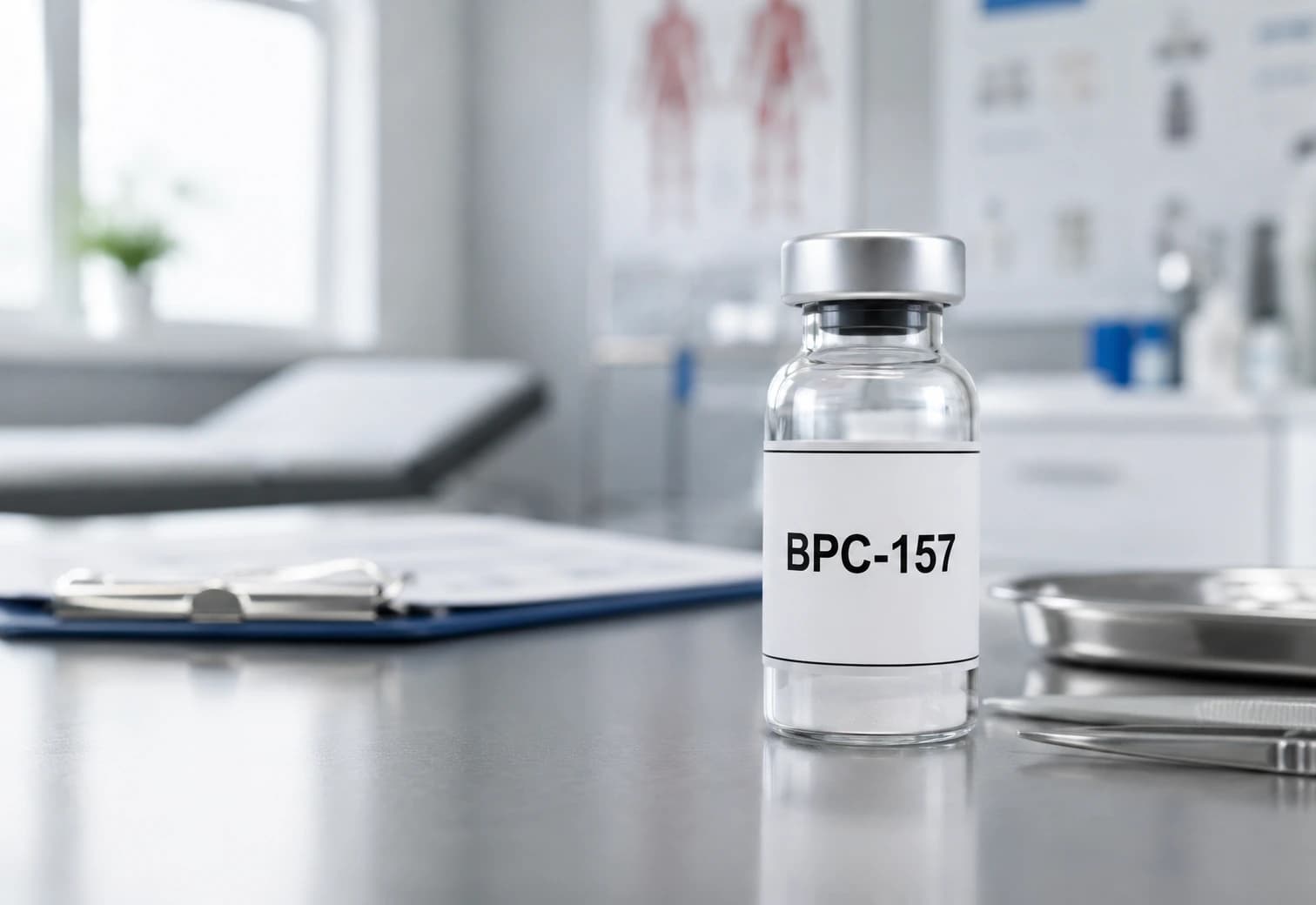
The FDAs Pharmacy Compounding Advisory Committee (PCAC) will review seven peptides to potentially allow compounders to produce them. These include BPC-157, KPV, TB-500, MOTs-C, Emideltide (DSIP), Semax, and Epitalon. The review follows a shift in oversight to potentially increase access to these substances.
Key details regarding the July 2026 review:

July 23, 2026 Review: BPC-157 (wound/injury), KPV (inflammation), TB-500 (wound healing), and MOTs-C (obesity/osteoporosis).
July 24, 2026 Review: Emideltide (opioid withdrawal/insomnia), Semax (ischemia/migraine), and Epitalon (insomnia).
Purpose: To determine if these peptides can be added to the 503A bulk drugs list, allowing compounding pharmacies to create them, reversing earlier restrictions.
These peptides are currently heavily utilized in wellness, longevity, and restorative medicine but have faced regulatory uncertainty regarding their safety and legality.
[6:08 PM]source:
https://www.fda.gov/advisory-committees/advisory-committee-calendar/july-23-24-2026-meeting-pharmacy-compounding-advisory-committee-07232026

What Is Semax and How Does It Work?

Definition of Semax

Semax is a heptapeptide derived from the adrenocorticotropic hormone (ACTH1-4) fragment. As a nootropic, it modulates neurotrophic and neuroendocrine pathways to support cognitive processes, stress resilience, and neural recovery. In clinical settings, semax peptide may be prescribed on-label for post-stroke rehabilitation, while off-label use focuses on attention, mood, and mental fatigue.

Mechanism of Action

Semax upregulates brain-derived neurotrophic factor (BDNF) and interacts with the melanocortin receptor system to promote neuron growth and synaptic plasticity. In a 2009 Journal of Neurochemistry study, semax affected the temporary dynamics of BDNF and NGF expression in rat brain tissue, highlighting its neurotrophic profile. It also helps regulate stress responses and reduce inflammation via melanocortin pathways.

What Is Semax Peptide Used For?

Clinical Applications

In Russia and Eastern Europe, semax peptide is approved for acute ischemic stroke recovery and traumatic brain injury support. Under medical supervision, higher intranasal doses in the acute phase can aid motor function and reduce neural damage. Some clinicians explore low-dose semax for chronic fatigue syndrome, ADHD, and mild cognitive impairment, aiming to improve focus and reduce “brain fog.”

Research Uses

Researchers use semax to study memory formation, neuroprotection, and stress resilience. An animal model study found that semax influenced the expression of genes involved in vascular system formation and function after brain ischemia. In healthy volunteer trials, research has also explored Semax’s effects on attention and cognitive performance.

Cmax Peptides and Semax: How They Relate

Role of Cmax Peptides

Cmax peptides are designed for rapid absorption and peak concentration, making them ideal for acute neurological interventions. Their quick onset supports scenarios where time to effect is critical, such as stroke or sudden cognitive decline.

Semax’s Place Among Therapeutic Peptides

Among cmax peptides, semax uniquely targets both neurotrophic (BDNF, NGF) and neuroendocrine pathways. Its short half-life allows precise dosing and rapid adjustments, often combined with supplements like magnesium threonate for synergistic neuroprotection.

Optimal Semax Peptide Dosage Protocol

Recommended Dosages by Goal

  • Cognitive Enhancement (Healthy Adults): 100–300 µg intranasally once or twice daily.

  • Stroke Recovery (Acute Phase): 300–600 µg intranasally every 2–4 hours for 5–7 days; taper to 100–200 µg three times daily for 2–4 weeks.

  • Mood and Stress Resilience: 100 µg intranasally in the morning, optionally 50 µg in the afternoon.

Always start at the lower end and adjust under medical supervision. In small clinical series, functional gains were optimal when starting at 600 µg/day and tapering over three weeks.

Reconstitution, Storage & Handling

  1. Reconstitution: Add bacteriostatic water to lyophilized semax to achieve 1 mg/mL. Gently swirl—do not shake.

  2. Storage: Keep reconstituted solution at 4 °C and use within 14 days. Unopened vials remain stable at room temperature for up to 12 months.

  3. Handling: Use a new insulin syringe per dose. Clean vial stoppers with alcohol swabs before use.

Semax Nasal Spray vs Injection: Comparing Delivery Methods

Advantages of Semax Nasal Spray

  • Non-invasive: No needles required.

  • Rapid onset: Absorption via nasal mucosa may support relatively fast effects.

  • Convenience: Self-administration and microdosing are often discussed in clinical and wellness contexts.

Injection Pros, Cons & Best Practices

Pros:

  • Precise dosing: Direct systemic delivery.

  • Higher bioavailability: Injection may offer more complete absorption than nasal delivery.

Cons:

  • Invasive: Needle-phobia and infection risk.

  • Requires training: Proper medical guidance and aseptic technique are essential.

Best Practices: Injectable Semax should only be used under qualified medical supervision.

Semax Peptide Benefits: Cognitive and Therapeutic Effects

Cognitive Vitality & Focus

Semax dosage protocols often yield sharper concentration, faster processing speed, and reduced mental fatigue within 30–60 minutes. Users describe sustained focus without jitter, supported by controlled trials showing attention improvements.

Neuroprotective and Mood-Enhancing Actions

Semax promotes neuronal survival by upregulating BDNF and NGF. In animal models of brain ischemia, it has been studied for neuroprotective effects and gene-expression changes related to ischemic injury. Some patients report improved mood and reduced anxiety after a week of low-dose semax, reflecting its dual action on neurotrophic and HPA-axis pathways.

Safety, Side Effects, and Best Practices

Common Adverse Reactions

  • Nasal irritation or dryness

  • Mild headache or transient drowsiness

  • Rare allergic reactions

Contraindications, Precautions & Quality Control

Contraindications: Known allergy to peptide components; severe nasal septum damage for intranasal use.

Precautions: Pregnant or breastfeeding women; autoimmune disorders.

Quality Control: Source semax from GMP-certified manufacturers with third-party purity testing and low endotoxin levels. Discard any cloudy or particulate solutions.

Frequently Asked Questions

Is Semax the Same as Selank?

No. Semax and Selank are different peptides. Semax is usually discussed for focus, cognitive support, and neuroprotection, while Selank is more often discussed for anxiety and stress regulation.

What Does Semax Feel Like?

How Soon Can Semax Start Working?

Can Semax Help With ADHD or Brain Fog?

Why Do Some People Feel Nothing From Semax?

Can Semax Be Taken With Caffeine?

Does Semax Build Tolerance?

Disclaimer: This website connects patients with licensed healthcare providers who can evaluate medical conditions and prescribe medications when appropriate. Some medications available through this service may be compounded drugs, which are customized formulations prepared by a pharmacy. The FDA does not conduct premarket review for compounded drugs to evaluate their safety, effectiveness, or quality. (See here: https://www.fda.gov/consumers/consumer-updates/it-really-fda-approved). Individual results may vary, and these medications should only be used under the guidance of a qualified healthcare professional. The information in this article is for educational purposes only and should not be considered medical advice. Always consult your healthcare provider before starting any new treatment.

How we reviewed this article:
Sources
History

Helimeds has strict sourcing guidelines and relies on peer-reviewed studies, academic research institutions, and medical associations. We avoid using tertiary references. You can learn more about how we ensure our content is accurate and current by reading our editorial policy.

  • Slipchenko LV et al. Semax Enhances BDNF mRNA Expression in Rat Hippocampus After Focal Ischemia. Journal of Neurochemistry. 2009. https://pubmed.ncbi.nlm.nih.gov/19275919/

  • Bakaev AY et al. Neuroprotective Effects of Semax in Experimental Cerebral Ischemia: Reduction of Infarct Volume in Rats. Brain Research. 2006. https://pubmed.ncbi.nlm.nih.gov/17079652/

  • Beloglazov IT et al. Semax Mitigates Oxidative Stress Markers in Rat Models of Brain Ischemia. Neuroreport. 2007. https://pubmed.ncbi.nlm.nih.gov/17899749/

  • Mychko KA et al. Effects of Semax on Attentional Performance in Healthy Volunteers: A Double-Blind Crossover Study. Psychopharmacology (Berl). 2010. https://pubmed.ncbi.nlm.nih.gov/20532825/

Share this post:

Related Posts