Is 5,000 mcg of vitamin B12 too much to take?

Medically reviewed by: Dr. Alexandra Christiansen, MD
Written by: Levan Maglakelidze
Helimeds’ Fact-Checking Standards. Every piece of content at Helimeds adheres to the highest editorial standards for language, style, and medical accuracy. To learn what we do to deliver the best health insights to you, check out our content review principles.

For most adults, a single oral dose of 5,000 micrograms (mcg) of vitamin B12 is unlikely to be harmful. It is, however, a high dose that many people do not need. If you take that amount every day, ask a healthcare provider or pharmacist whether it fits your situation.
There is no established upper intake limit for B12 because of its low potential for toxicity. That does not mean every dose is necessary or appropriate for everyone. High doses are sometimes used to treat a deficiency, so if a provider recommended yours, check with them before changing it. UCLA Health explains why large B12 doses are sometimes used. (ods.od.nih.gov)
How much is 5,000 mcg?
A dose of 5,000 mcg equals 5 milligrams (mg). For comparison, the recommended dietary allowance for most adults is 2.4 mcg per day. That recommendation describes the amount generally needed to meet nutritional needs. It is not a maximum safe dose or a treatment dose for a deficiency. (ods.od.nih.gov)
The amount on a supplement label is also not the same as the amount your body absorbs. As an oral B12 dose gets larger, the percentage absorbed generally falls. This is one reason a provider may recommend a dose much higher than the daily nutritional requirement when treating low B12.
Your body stores some B12, mainly in the liver, and eliminates some excess. It is more accurate to say that B12 has low toxicity than to assume your body immediately flushes out every bit it does not need.
Do you need a high-dose B12 supplement?
Some people need B12 supplements because they do not get enough from food or have trouble absorbing it. A provider may consider your diet, medical history, medications and, when appropriate, blood test results before recommending a treatment plan.
Factors that can make B12 deficiency more likely include:
- A vegan diet without reliable sources of B12, such as fortified foods or supplements
- Conditions that affect absorption, including pernicious anemia or Crohn's disease
- Certain digestive surgeries
- Use of medications such as metformin or acid-reducing medicines
- Changes in absorption that can occur with age
These factors do not automatically mean you need 5,000 mcg. The UCLA Health discussion of B12 explains why both intake and absorption matter.
B12 occurs naturally in foods such as meat, fish, eggs and dairy. Some cereals and other foods are fortified with it. If you avoid animal foods, check labels for B12 and discuss a reliable source with your provider or a registered dietitian.
Will more B12 give you more energy?
B12 helps the body make red blood cells and supports normal nerve function. Fatigue can be a symptom of deficiency, but it has many possible causes. Taking extra B12 has not been shown to increase energy in people who already have adequate levels, according to Healthline's review of high-dose B12. (healthline.com)
If fatigue is persistent, or you have symptoms such as numbness or tingling, talk with a healthcare provider rather than relying on a high-dose supplement to determine the cause. They can assess whether B12 testing or another evaluation makes sense.
What if you already took 5,000 mcg?
If you took one oral B12 tablet or serving, the dose alone is generally not a reason to panic. Check the label to confirm the amount and whether the product contains other ingredients. A B-complex supplement, for example, contains more than B12, so its safety cannot be judged by the B12 amount alone.
If you are concerned, especially if a child took the product or you took more than intended, contact a pharmacist, healthcare provider or Poison Control at 1-800-222-1222. Keep the container nearby so you can describe the product.
If someone has trouble breathing, collapses or cannot be awakened, call 911. (poison.org)
Can high-dose B12 cause side effects?
B12 is generally well tolerated, but unwanted effects can occur. Cleveland Clinic notes that symptoms associated with very high B12 intake can include nausea, headaches or skin changes. Reported effects can vary by product and route. (my.clevelandclinic.org)
A new symptom after taking a supplement does not necessarily mean B12 caused it. Tell a healthcare provider or pharmacist what you took and when, particularly if symptoms persist or concern you.
Ask for medical guidance before using high-dose supplements if you have kidney disease, are pregnant or breastfeeding, or take regular medications. Your provider can help assess the full product and your health history rather than treating 5,000 mcg as a universal recommendation.
Are B12 injections the same as an oral supplement?
No. An injection and an oral tablet use different routes, so the amount listed on each should not be compared as though the body handles them identically. A provider may use injections or oral B12 as part of deficiency treatment, depending on the person's circumstances.
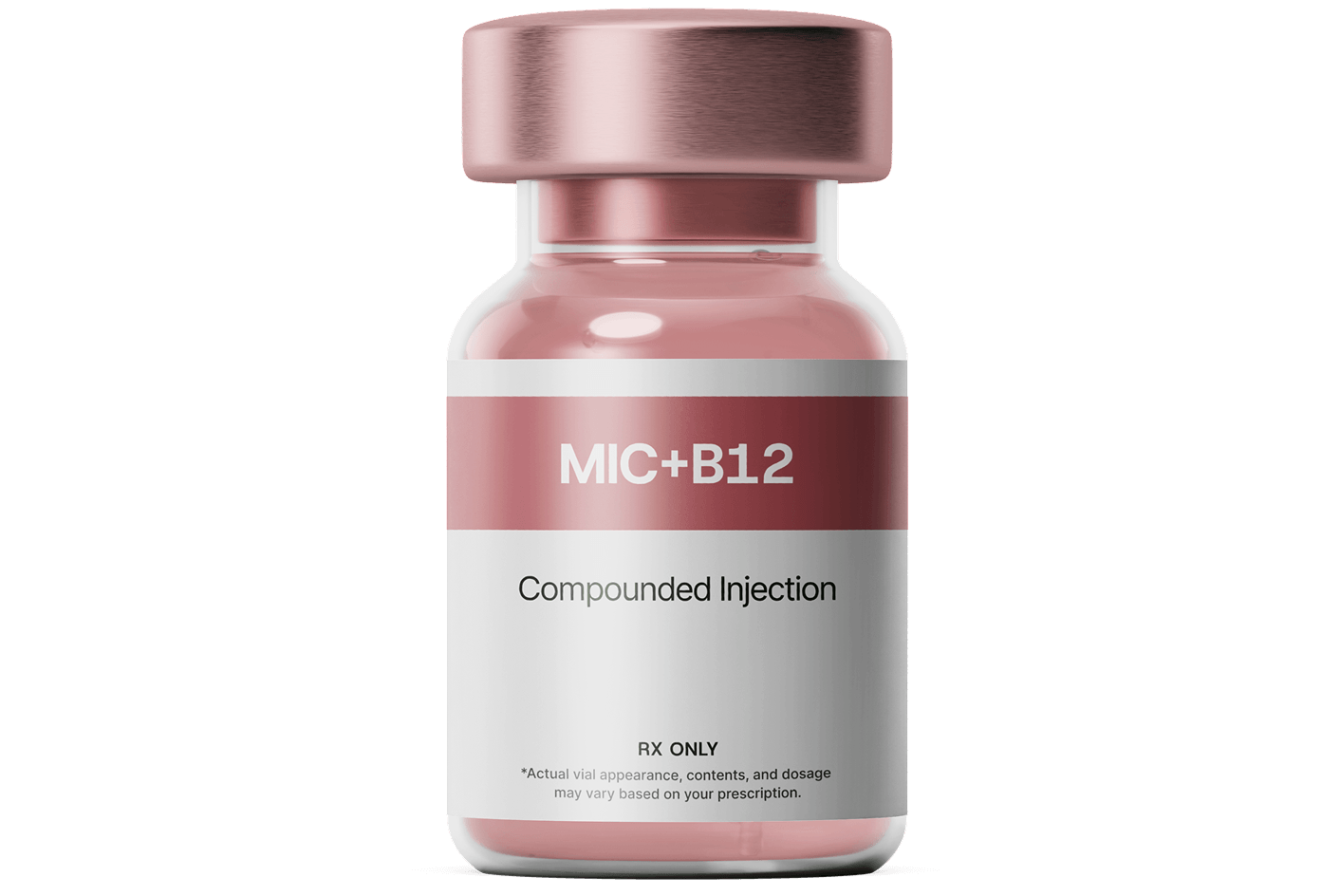
If you are considering the Helimeds MIC+B12 pathway, discuss its use with a licensed provider rather than treating it as a substitute for a deficiency evaluation. Complete a medical intake and consult with a licensed provider. If clinically appropriate, treatment may be prescribed and fulfilled through a licensed pharmacy partner, subject to state availability and medical review. (helimeds.com)
What does a high B12 blood result mean?
Supplements or injections can affect a B12 blood test. Tell the provider interpreting your result what products you take, including their amounts and when you last used them.
A high result does not by itself tell you whether a supplement has caused harm. If your level is high and you do not take B12, a provider may consider other possible explanations. Cleveland Clinic notes that some liver, kidney and blood conditions can affect B12 levels. The result needs to be interpreted alongside your health history and other findings. (my.clevelandclinic.org)
Choosing your next step
For general supplementation, 5,000 mcg is much more than most adults need, even though one oral dose is unlikely to be harmful. If you take it regularly without a recommendation, ask a provider or pharmacist whether you need it. If it was recommended to treat a deficiency, ask the recommending provider before changing your routine.
For questions about a Helimeds MIC+B12 treatment, you can begin a consultation. A licensed provider will review whether any treatment is clinically appropriate and available in your state.
History
Current Version
Written by Levan Maglakelidze
Medically reviewed by Dr. Alexandra Christiansen, MD