Can you take vitamin B12 and B6 together?

Medically reviewed by: Dr. Alexandra Christiansen, MD
Written by: Dr. Sadi Erfani MD
Helimeds’ Fact-Checking Standards. Every piece of content at Helimeds adheres to the highest editorial standards for language, style, and medical accuracy. To learn what we do to deliver the best health insights to you, check out our content review principles.

Yes. Most people can take vitamin B12 and vitamin B6 together, and there is generally no need to space them apart. Both occur in foods such as fish and poultry, and they’re also combined in many multivitamins and B-complex supplements. (medanta.org)
The more useful question is whether you need a supplement and how much B6 you’re getting from all your products. Too much supplemental B6 over time can cause nerve problems. A healthcare professional can help you review your intake, especially if you take medications or have a known vitamin deficiency. (ods.od.nih.gov)
What do B6 and B12 do?
Both vitamins help the body function normally, but they have different jobs:
- Vitamin B6 helps the body process nutrients and make substances involved in nerve signaling.
- Vitamin B12 helps maintain nerve function and is needed to make DNA and red blood cells.
You need both, but taking extra amounts together does not necessarily provide an extra benefit. Their roles are described in this comparison of vitamins B6 and B12. (medanta.org)
For example, the body uses B vitamins in processes that release energy from food. That does not mean a B-complex supplement will resolve fatigue. If you’re feeling unusually tired, a healthcare professional can help assess possible causes rather than assuming you need more vitamins.
How to take them together
If you use separate B6 and B12 supplements, you can generally take them at the same time. You can also find both in a single multivitamin or B-complex product. Follow the product directions and any instructions from your healthcare professional.
If a supplement upsets your stomach, taking it with food may be more comfortable. Everyday Health’s guide to B vitamins notes that B vitamins can be taken with or without food.
Taking both vitamins together is different from needing both as supplements. If you’ve been advised to treat a specific deficiency, ask your healthcare professional whether a combination product meets your needs rather than replacing the recommended treatment on your own.
Check the total amount of B6
Vitamin B6 can appear in several products you take on the same day, including multivitamins, B-complex supplements and products marketed for energy. Check the Supplement Facts label on each one and add the B6 amounts based on the servings you actually take.
For example, if one daily serving contains 2 milligrams of B6 and another contains 3 milligrams, the two products provide 5 milligrams together. That total is useful information for a healthcare professional, but it is not a recommendation for your personal intake.
For context, the recommended daily intake for adults ages 19 to 50 is 1.3 milligrams of B6. For most adults, the recommended intake of B12 is 2.4 micrograms. These amounts include vitamins from food as well as supplements, and needs vary with age and during pregnancy or breastfeeding. See this guide to B6 and B12 intake for more detail. (ods.od.nih.gov)
Milligrams and micrograms are different units. A microgram is one-thousandth of a milligram, so the numbers on B6 and B12 labels should not be compared as though they measure the same amount.
Why excess B6 matters
High supplemental B6 intake over time can cause nerve damage, with symptoms such as numbness or tingling in the hands and feet. Balance problems can also occur. The discussion of B-vitamin over-supplementation explains why both the amount and duration of use matter. (ods.od.nih.gov)
If you notice new numbness, tingling or balance problems, contact a healthcare professional promptly. Bring a list of your supplements and medications, including the amounts you take. Don’t change a prescribed medication without discussing it with its prescriber.
When to ask about supplements or treatment
A conversation with a healthcare professional or pharmacist is useful before adding B6 or B12 if you:
- Take prescription medications or several supplements.
- Have a diagnosed deficiency or have been advised to take a higher-dose vitamin.
- Have a condition that affects nutrient absorption.
- Are pregnant or breastfeeding.
- Have symptoms such as persistent fatigue, numbness or tingling.
B12 deserves particular attention if you eat little or no animal-derived food. Meat, fish, eggs and dairy provide B12, while fortified foods can be an option for people following a plant-based diet. Check the label to see whether a particular food contains added B12. (ods.od.nih.gov)
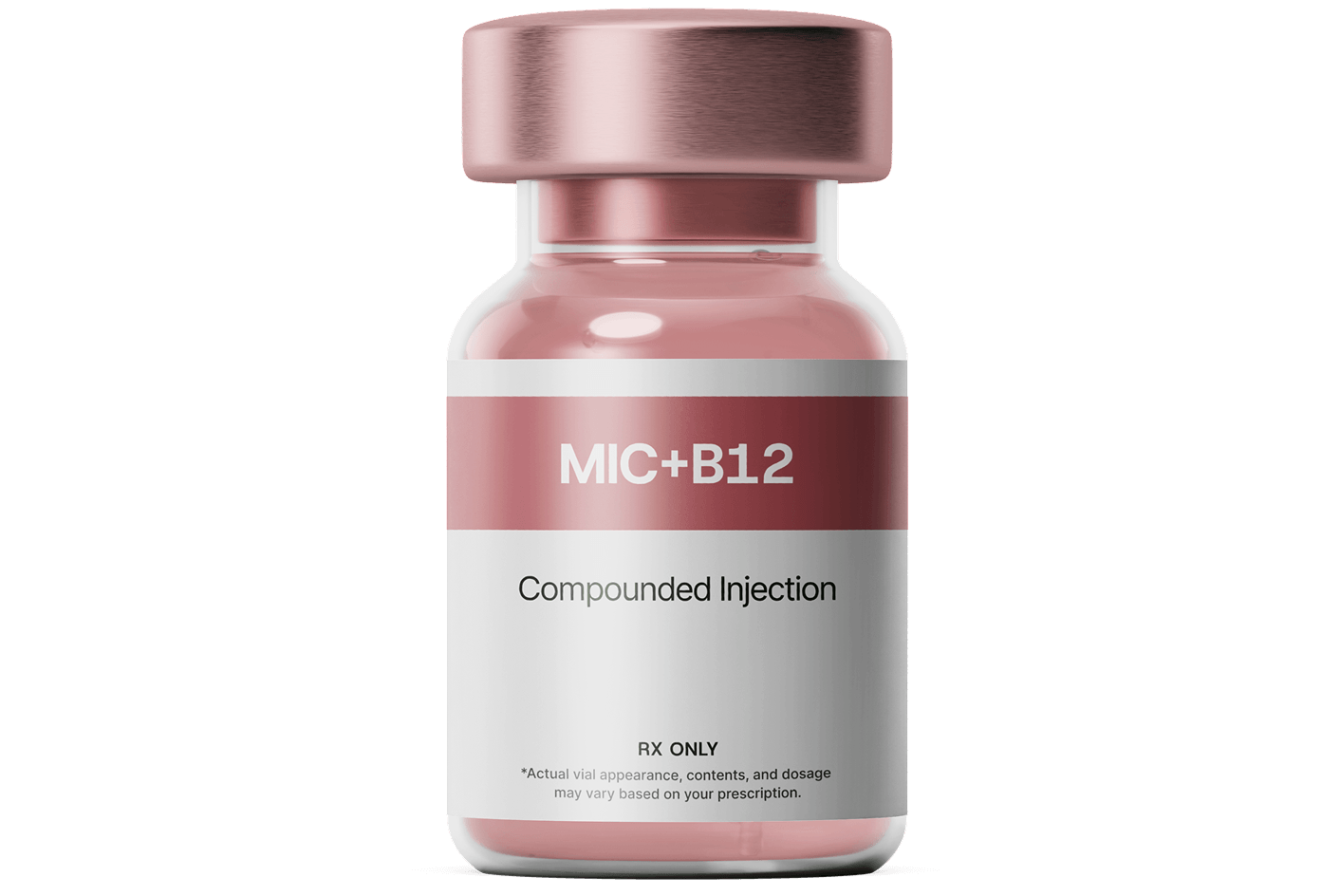
Helimeds offers a MIC+B12 wellness pathway for people who want to discuss that option. It should not be assumed to replace care for a diagnosed deficiency or to mean that a separate B6 supplement is needed. Complete a medical intake and consult with a licensed provider. If clinically appropriate, treatment may be prescribed and fulfilled through a licensed pharmacy partner, subject to state availability and medical review.
For most people, taking B6 and B12 together is straightforward. Start by checking your total B6 intake and considering why you want to take them. If you want to discuss the Helimeds MIC+B12 pathway, begin a consultation and share your current medications and supplements so a provider can assess whether treatment is appropriate.
History
Current Version
Written by Dr. Sadi Erfani MD
Medically reviewed by Dr. Alexandra Christiansen, MD