

Get GLP1+GIP for $37.25/week
Start Now

Does BPC 157 Build Muscle: Tissue Recovery, Dosage & Benefits

Heli's Fact-Checking Standards

Every piece of content at Heli's adheres to the highest editorial standards for language, style, and medical accuracy. To learn what we do to deliver the best health and lifestyle insights to you, Check out our content review principles.

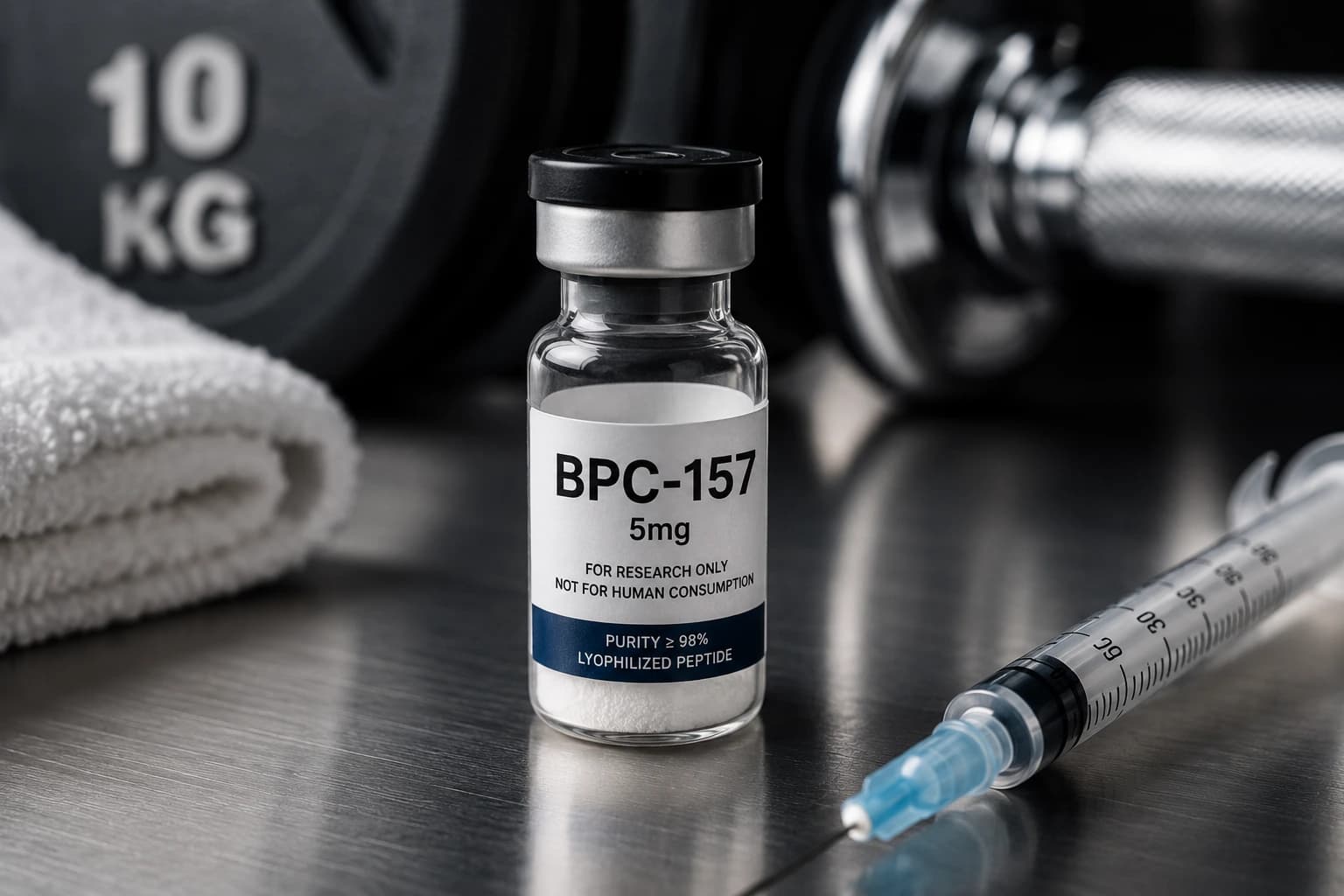
In bodybuilding, progress is not only about how hard you train. It is also about how well your muscles, tendons, ligaments, and joints recover between sessions. That is why many athletes, lifters, and coaches are interested in BPC 157 benefits and whether this peptide may help support recovery from intense training, soft-tissue strain, and overuse injuries.

BPC 157 is not a classic muscle-building drug. It does not work like anabolic steroids or growth hormone secretagogues. Instead, it is best understood as a recovery-focused peptide that may support the repair processes bodybuilders rely on to keep training consistently.

The FDAs Pharmacy Compounding Advisory Committee (PCAC) will review seven peptides to potentially allow compounders to produce them. These include BPC-157, KPV, TB-500, MOTs-C, Emideltide (DSIP), Semax, and Epitalon. The review follows a shift in oversight to potentially increase access to these substances.
Key details regarding the July 2026 review:

July 23, 2026 Review: BPC-157 (wound/injury), KPV (inflammation), TB-500 (wound healing), and MOTs-C (obesity/osteoporosis).
July 24, 2026 Review: Emideltide (opioid withdrawal/insomnia), Semax (ischemia/migraine), and Epitalon (insomnia).
Purpose: To determine if these peptides can be added to the 503A bulk drugs list, allowing compounding pharmacies to create them, reversing earlier restrictions.
These peptides are currently heavily utilized in wellness, longevity, and restorative medicine but have faced regulatory uncertainty regarding their safety and legality.
[6:08 PM]source:
https://www.fda.gov/advisory-committees/advisory-committee-calendar/july-23-24-2026-meeting-pharmacy-compounding-advisory-committee-07232026
BPC 157: What Is It?

BPC 157, short for Body Protection Compound-157, is a 15-amino-acid peptide fragment associated with a protective protein found in human gastric juice. It has been studied for its stability in acidic environments and its potential role in tissue repair, inflammation control, and wound healing.

For bodybuilders, the interest is practical: intense resistance training places repeated stress on muscles, tendons, joints, and connective tissue. When recovery slows down, training volume, progressive overload, and performance can all suffer. BPC 157 is discussed in this context because it may support the tissues that often limit training consistency.

Why Bodybuilders Are Interested in BPC 157

Bodybuilders usually do not look at BPC 157 as a direct hypertrophy agent. Instead, they explore it for recovery-related goals such as:

  • Supporting muscle repair after strains or overuse

  • Helping tendons and ligaments tolerate heavy lifting

  • Reducing inflammation around irritated joints

  • Supporting faster return to training after minor injuries

  • Improving consistency during high-volume training blocks

This distinction matters. BPC 157 is not mainly about building new muscle mass directly. Its value in bodybuilding is more closely tied to helping the body recover from the stress required to build muscle over time.

BPC 157 Benefits for Muscle Recovery

The main bodybuilding-related benefits of BPC 157 center on tissue repair, inflammation control, and connective-tissue support. Human data remain limited, but animal research has shown consistent healing-related effects.

Muscle and Soft-Tissue Repair

Heavy training can create microtrauma in muscle tissue. That is normal and part of adaptation, but more serious strains or repeated overuse can interrupt training for weeks. Animal models suggest that BPC 157 may support recovery by influencing tissue repair pathways involved in cellular migration, wound closure, and functional recovery.

A systematic review of BPC 157 described healing effects across several rodent injury models, including faster wound closure and earlier return of function compared with controls.

Tendon and Ligament Support

For bodybuilders, tendons and ligaments are often the weak link. Muscles may adapt faster than connective tissue, especially during periods of aggressive loading, high-frequency training, or rapid strength increases.

BPC 157 is frequently discussed for tendon and ligament support because preclinical research suggests it may help strengthen repair tissue, improve collagen organization, and support better mechanical recovery after injury.

This is one reason lifters often look at BPC 157 for issues involving elbows, knees, shoulders, biceps tendons, Achilles tendons, and other high-stress areas.

Inflammation Control After Heavy Training

Inflammation is part of training adaptation, but excessive or persistent inflammation can interfere with performance and recovery. BPC 157 has been studied for anti-inflammatory effects, including modulation of cytokines and tissue-level inflammatory responses.

For bodybuilders, this may be relevant when inflammation contributes to pain, stiffness, swelling, or reduced training quality. The goal is not to eliminate the normal inflammatory response to training but to support recovery when irritation becomes excessive or prolonged.

Does BPC 157 Build Muscle?

BPC 157 is better described as a recovery-support peptide than a direct muscle-building compound.

It does not directly stimulate muscle growth the way anabolic hormones or growth hormone-releasing peptides are intended to. However, it may indirectly support muscle-building goals by helping athletes recover more efficiently and maintain consistent training.

Direct vs. Indirect Muscle Growth Support

Direct muscle-building agents usually work by increasing anabolic signaling, protein synthesis, or hormone activity. BPC 157 is different. Its potential bodybuilding value is more indirect:

  • Better soft-tissue recovery may reduce missed training days.

  • Healthier connective tissue may support heavier loading over time.

  • Reduced irritation may improve range of motion and exercise execution.

  • Faster recovery may help athletes maintain training volume.

In other words, BPC 157 may support the conditions that allow hypertrophy training to continue, but it should not be framed as a direct muscle-growth peptide.

Why Recovery Matters for Hypertrophy

Muscle growth depends on progressive overload, sufficient training volume, nutrition, sleep, and recovery. If tendon pain, joint irritation, or muscle strain limits training, hypertrophy progress can stall.

This is where BPC 157 fits into bodybuilding discussions. It is not about replacing training, food, or recovery fundamentals. It is about potentially supporting the repair systems that help athletes stay consistent.

How BPC 157 Works in Recovery

Understanding BPC 157 peptide benefits requires looking at how the compound may interact with repair pathways.

Growth-Factor Signaling and Tissue Repair

BPC 157 appears to influence growth factors involved in healing, including vascular endothelial growth factor, or VEGF. These pathways are connected to blood vessel formation, tissue oxygenation, and cellular repair.

According to PubChem data on BPC 157, the peptide is associated with biological activity involving blood vessel growth and cellular migration. These mechanisms may help explain why BPC 157 is discussed in relation to soft-tissue healing.

Collagen Formation and Connective-Tissue Remodeling

BPC 157 has also been studied for its effects on collagen organization and tissue remodeling. For lifters, this is important because tendons and ligaments rely heavily on collagen structure for strength and durability.

Potential effects include:

  • Increased collagen I and III deposition

  • Improved organization of repair tissue

  • Better tendon and muscle remodeling after injury

  • Support for functional recovery rather than only scar formation

These effects are central to why BPC 157 is often positioned as a connective-tissue recovery peptide.

Blood Flow, Nitric Oxide, and Angiogenesis

BPC 157 may also influence nitric oxide pathways and angiogenesis. In a bodybuilding context, improved local blood flow may support nutrient delivery, waste removal, and tissue repair after training stress or injury.

This does not mean BPC 157 acts like a pump supplement or performance enhancer. Its relevance is more focused on recovery biology and tissue repair.

BPC 157 vs Other Bodybuilding Peptides

When bodybuilders ask what peptides build muscle, it is important to separate recovery peptides from anabolic or hormone-related peptides.

BPC 157 vs TB-500

BPC 157 and TB-500 are both commonly discussed for soft-tissue recovery, but they are not identical.

BPC 157 is usually positioned as a repair-focused peptide with strong interest around tendons, ligaments, muscle injury, and gut support.

TB-500 is often discussed for broader soft-tissue recovery, flexibility, and systemic repair pathways.

Many bodybuilders compare the two when dealing with nagging injuries, recurring tendon irritation, or recovery limitations during intense training blocks.

BPC 157 vs GHRP-6

GHRP-6 belongs to a different category. It is a growth hormone-releasing peptide, meaning it is discussed for its ability to stimulate growth hormone secretion.

BPC 157 does not work the same way. It is not primarily used to raise systemic growth hormone. Its bodybuilding relevance comes from tissue protection, repair, and recovery rather than direct anabolic stimulation.

BPC 157 in Peptide Stacks

Some practitioners combine BPC 157 with other peptides such as TB-500, GHRP-6, or CJC-1295. The goal is often to combine recovery support with broader anabolic or performance-related pathways.

However, stacking increases complexity. It can make it harder to know which compound is helping, which one is causing side effects, and how the overall protocol should be adjusted. Any peptide stack should be approached with medical oversight.


BPC 157 Dosage and Administration for Bodybuilders

Proper administration is important for consistent results and risk reduction.

Recommended Dosing Protocols

Common bodybuilding and recovery-focused protocols include:

  • Subcutaneous: 200–500 mcg once or twice daily, near the injury site or in abdominal fat

  • Intramuscular: 200–300 mcg directly into the affected muscle, rotating sites

  • Oral: 250–500 mcg dissolved in water once daily, though bioavailability may vary

Many protocols begin at the lower end, around 200 mcg, during the first week to assess tolerance. Typical courses run 4–6 weeks for acute injuries.

Injection Sites, Storage, and Handling

Common handling practices include:

  • Using 29–31 g insulin syringes for subcutaneous shots

  • Cleaning the skin with alcohol before injection

  • Storing lyophilized powder at 2–8 °C

  • Refrigerating reconstituted BPC 157 and using it within 14 days

  • Disposing of needles and vials according to biohazard guidelines

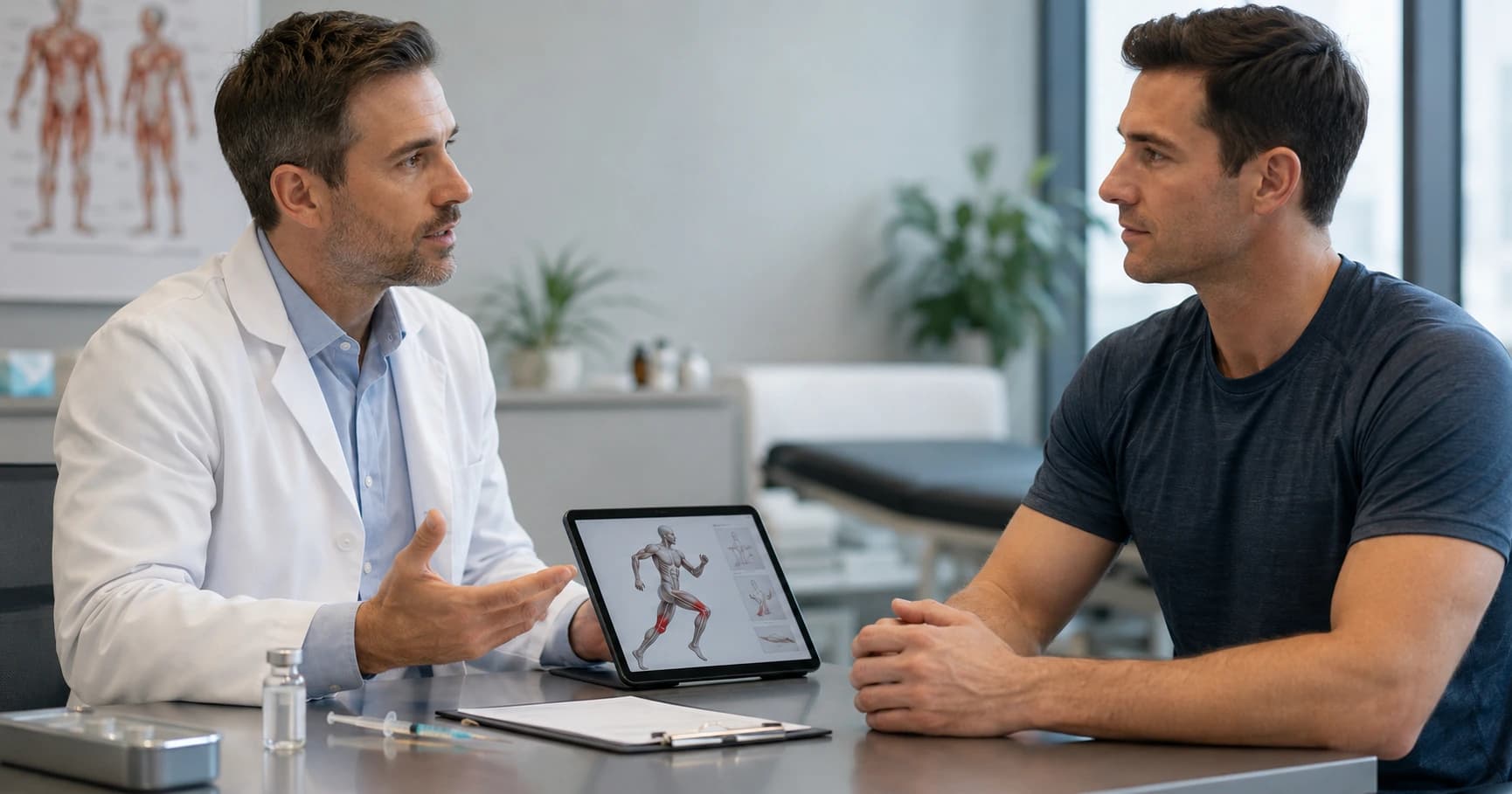
Medical supervision is recommended, especially for injectable use, long protocols, peptide stacks, or athletes with existing medical conditions.

Potential Side Effects and Precautions

Known Adverse Reactions and Risk Factors

Most users tolerate BPC 157 well, but reported side effects may include:

  • Mild injection-site redness or irritation

  • Occasional headache or nausea

  • Possible blood-pressure changes, especially in people with hypertension

Because high-quality human safety data are limited, users should monitor symptoms carefully and consult a healthcare professional if unusual effects appear.

Contraindications, Drug Interactions, and Monitoring

Important precautions include:

  • Avoiding use in active, untreated malignancies due to theoretical tumor-promotion concerns

  • Using caution with immunosuppressants

  • Monitoring blood pressure and liver enzymes if treatment exceeds six weeks

  • Consulting a healthcare professional if you have bleeding disorders or take anticoagulants

Bodybuilders who use multiple compounds should be especially careful because side effects and interactions may be harder to identify.

Frequently Asked Questions

Can BPC 157 Help With Workout Soreness or Only With Injuries?

BPC 157 is usually discussed more for soft-tissue recovery than for regular post-workout soreness. If soreness is normal DOMS, better sleep, nutrition, hydration, and programming matter more. If pain feels sharp, recurring, or joint-related, it may be an injury rather than simple soreness.

Can BPC 157 Make It Easier To Overtrain?

Should You Keep Training While Using BPC 157?

Is BPC 157 Useful for Natural Bodybuilders?

Can Competitive Bodybuilders Use BPC 157?

Disclaimer: This website connects patients with licensed healthcare providers who can evaluate medical conditions and prescribe medications when appropriate. Some medications available through this service may be compounded drugs, which are customized formulations prepared by a pharmacy. The FDA does not conduct premarket review for compounded drugs to evaluate their safety, effectiveness, or quality. (See here: https://www.fda.gov/consumers/consumer-updates/it-really-fda-approved). Individual results may vary, and these medications should only be used under the guidance of a qualified healthcare professional. The information in this article is for educational purposes only and should not be considered medical advice. Always consult your healthcare provider before starting any new treatment.

How we reviewed this article:
Sources
History

Helimeds has strict sourcing guidelines and relies on peer-reviewed studies, academic research institutions, and medical associations. We avoid using tertiary references. You can learn more about how we ensure our content is accurate and current by reading our editorial policy.

Share this post:

Related Posts