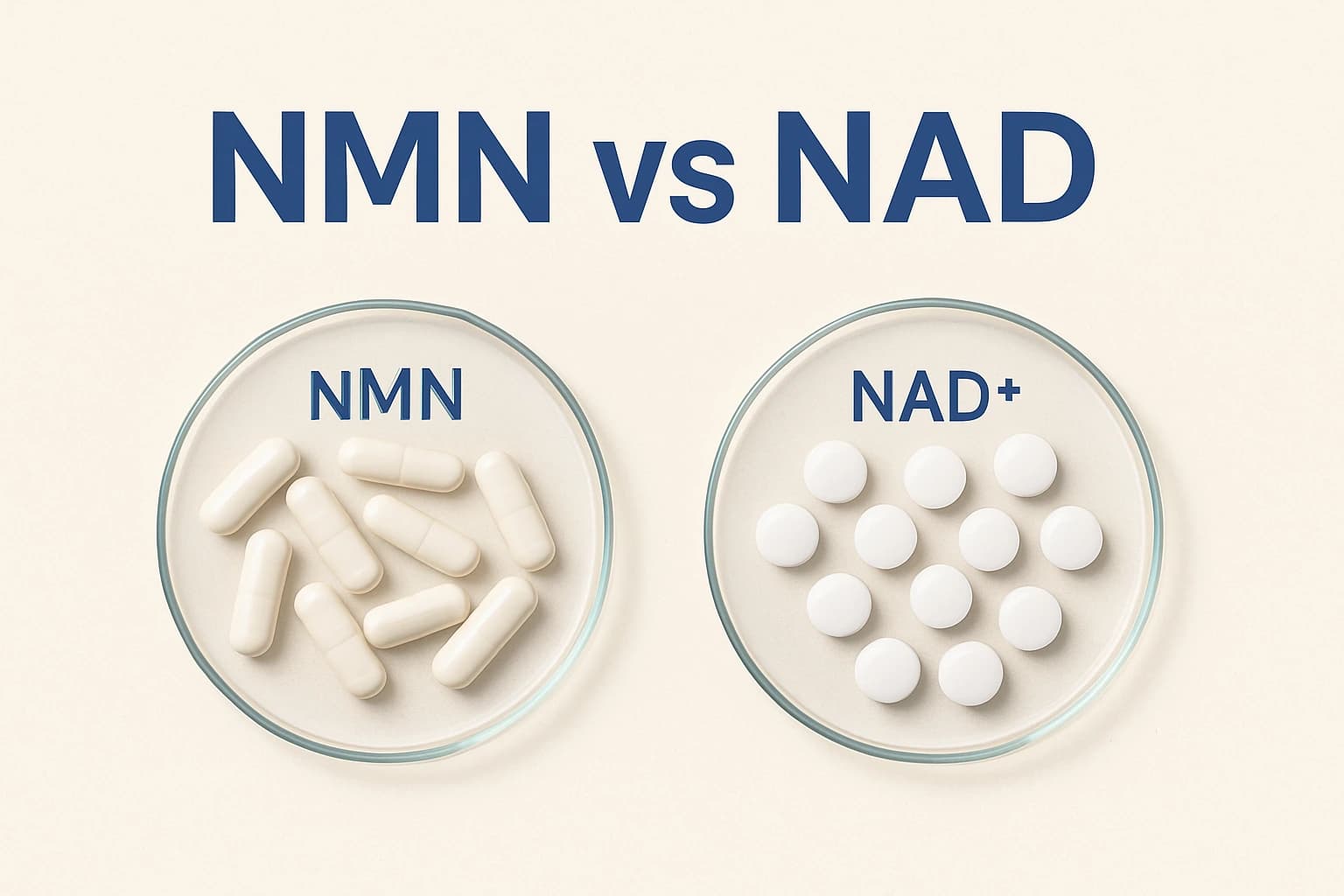
Determining the best time to take NAD+ can influence energy production, cellular repair, and overall well-being. This article reviews current evidence on circadian rhythms, dosing strategies, safety considerations, and potential metabolic benefits.


Medically reviewed by:Dr. Tomas Salinas Aguilera, MD
Fact checked
Heli's Fact-Checking Standards
Every piece of content at Heli's adheres to the highest editorial standards for language, style, and medical accuracy. To learn what we do to deliver the best health and lifestyle insights to you, Check out our content review principles.
What Is NAD+ and How Does It Work?
Definition and Role in Metabolism
NAD+, or nicotinamide adenine dinucleotide, is a coenzyme present in all living cells. It shuttles electrons during mitochondrial energy-producing reactions and supports DNA repair by activating sirtuin enzymes. When you search “what is NAD+,” you’ll find it often described as a cellular “battery charger” that helps convert nutrients into usable energy. Maintaining adequate NAD+ levels is thought to promote healthy aging and stress resilience.
Natural Fluctuations Throughout the Day
NAD+ levels rise and fall in sync with your body’s circadian rhythm. They typically peak during daylight hours—when metabolism and activity are highest—and dip overnight as energy demands decrease. Factors such as age, chronically poor sleep, stress, and certain medications can blunt these natural oscillations, prompting interest in supplements or clinical infusion protocols.
Circadian Connection: Best Time To Take NAD+
Morning Versus Evening Dosing
Studies suggest that taking NAD+ in the morning can leverage natural peaks in cellular energy turnover. Early dosing may support daytime alertness and metabolic activity, whereas evening doses are sometimes chosen to promote nocturnal DNA repair. Though robust human trials are limited, one pilot investigation linked morning NAD+ supplementation to improvements in daytime vitality versus evening administration, but the findings have not yet been peer reviewed.
Aligning Intake With Your Body Clock
To harness the circadian advantage, consider timing supplements or subcutaneous injections around wake-up and meals. If you exercise in the morning, a pre- or post-workout NAD+ shot may enhance muscle recovery. For split-dosing strategies, clinics sometimes use a NAD+ injection dosage calculator based on body weight to divide doses between morning and mid-afternoon, helping maintain stable NAD+ levels throughout the day.
Dosage Recommendations and Protocols
Oral Supplements: How Much NAD Should I Take?
Oral NAD+ precursors—such as nicotinamide riboside (NR) or nicotinamide mononucleotide (NMN)—are available as dietary supplements. If you wonder “how much NAD should I take,” some protocols start with 100 mg once daily, then titrate up to 300 mg based on tolerance and desired effects. Clinical research shows NR doses up to 1,000 mg/day are generally well tolerated.
Injection and Infusion Protocols
Off-label interest in subcutaneous and intravenous NAD+ protocols is growing. An example NAD+ injection dosage chart used by some providers includes:
Week 1: 125 mg subcutaneous, three times weekly
Weeks 2–4: 250 mg subcutaneous, three times weekly
Maintenance: 250–500 mg once weekly, or split into two doses
IV infusions often range from 250 to 1,000 mg over 60–90 minutes. Frequency can vary from three times weekly for intensive regimens to once weekly for maintenance. Always consult a medical provider before following any NAD dosing or infusion schedule.
NAD Side Effects and Safety Considerations
Common Reactions and Mitigation Strategies
Most individuals tolerate NAD+ well, though mild NAD+ side effects may include flushing, headache, nausea, or lightheadedness—reactions similar to niacin. To minimize discomfort:
Stay well hydrated before and after dosing
Start with a low subcutaneous dose and increase gradually
Have a light snack 30 minutes before an IV infusion
If flushing occurs, slowing the infusion or splitting the dose can help.
Contraindications and Medical Supervision
Avoid NAD+ infusions if you have uncontrolled hypertension, active infection, or are pregnant without specialist approval. Patients on chemotherapy or certain antivirals should consult an oncologist, as NAD+ may theoretically affect drug metabolism. Always share your full medication and supplement list to prevent potential interactions.
Does NAD+ Help With Weight Loss?
Mechanisms Behind Metabolic Effects
NAD+ supports mitochondrial function and activates sirtuins, which are involved in fat oxidation and insulin sensitivity. By raising cellular NAD+ levels, you may increase basal metabolic rate and enhance energy expenditure from stored fat.
Research Findings and Limitations
A recent animal study reported that NMN supplementation led to a roughly 15% increase in calorie burning over 24 hours. In a small human trial, participants taking 250 mg NR twice daily for 12 weeks experienced modest weight loss and improved insulin response. Larger, long-term studies are needed to confirm these findings in diverse populations.
Combining NAD+ With Other Supplements
Potential Interactions
Mixing NAD+ with agents like resveratrol, quercetin, or CoQ10 may amplify effects on mitochondrial health but could also raise blood-pressure or blood-thinning risks. Never combine NAD+ infusion with high-dose vitamin C in the same IV line without medical supervision, as pH differences may cause precipitates.
Synergistic Approaches
Some providers explore protocols that pair NAD+ with peptides or plant polyphenols. For example, “NAD+ peptide dosage” regimens may include growth-factor peptides under clinical guidance to target advanced anti-aging mechanisms. Always discuss such combined approaches with a qualified healthcare professional.
Frequently Asked Questions
How Often Should I Take NAD+?
Frequency depends on your goals. Oral supplements, such as 100–300 mg/day, are typically taken once daily. Intensive IV or subcutaneous regimens may start three times weekly for several weeks, then taper to weekly maintenance. Always personalize with medical advice.
Can I Take NAD+ on an Empty Stomach?
What Is the Difference Between Oral and IV NAD+?
Are There Long-Term Risks With NAD+ Supplementation?
Will NAD+ Improve My Sleep If Taken at Night?
Is NAD+ FDA Approved for Weight Loss?
Disclaimer: This website connects patients with licensed healthcare providers who can evaluate medical conditions and prescribe medications when appropriate. Some medications available through this service may be compounded drugs, which are customized formulations prepared by a pharmacy. The FDA does not conduct premarket review for compounded drugs to evaluate their safety, effectiveness, or quality. (See here: https://www.fda.gov/consumers/consumer-updates/it-really-fda-approved). Individual results may vary, and these medications should only be used under the guidance of a qualified healthcare professional. The information in this article is for educational purposes only and should not be considered medical advice. Always consult your healthcare provider before starting any new treatment.
How we reviewed this article:
Sources
History
Helimeds has strict sourcing guidelines and relies on peer-reviewed studies, academic research institutions, and medical associations. We avoid using tertiary references. You can learn more about how we ensure our content is accurate and current by reading our editorial policy.