

Get GLP1+GIP for $37.25/week
Start Now

BPC 157 for Herniated Disc: How This Peptide Supports Recovery

Heli's Fact-Checking Standards

Every piece of content at Heli's adheres to the highest editorial standards for language, style, and medical accuracy. To learn what we do to deliver the best health and lifestyle insights to you, Check out our content review principles.

A herniated disc occurs when the soft inner core of a spinal disc pushes through its tougher outer layer, often resulting in nerve compression, pain, and reduced mobility. Interest in bpc 157 for herniated disc has emerged from preclinical findings suggesting this peptide may accelerate tissue repair and reduce inflammation. Because BPC-157 is not approved by the FDA for human use, any off-label application requires careful medical supervision.

The FDAs Pharmacy Compounding Advisory Committee (PCAC) will review seven peptides to potentially allow compounders to produce them. These include BPC-157, KPV, TB-500, MOTs-C, Emideltide (DSIP), Semax, and Epitalon. The review follows a shift in oversight to potentially increase access to these substances.

Key details regarding the July 2026 review:

July 23, 2026 Review: BPC-157 (wound/injury), KPV (inflammation), TB-500 (wound healing), and MOTs-C (obesity/osteoporosis).

July 24, 2026 Review: Emideltide (opioid withdrawal/insomnia), Semax (ischemia/migraine), and Epitalon (insomnia).

Purpose: To determine if these peptides can be added to the 503A bulk drugs list, allowing compounding pharmacies to create them, reversing earlier restrictions.

These peptides are currently heavily utilized in wellness, longevity, and restorative medicine but have faced regulatory uncertainty regarding their safety and legality.

[6:08 PM]source: https://www.fda.gov/advisory-committees/advisory-committee-calendar/july-23-24-2026-meeting-pharmacy-compounding-advisory-committee-07232026

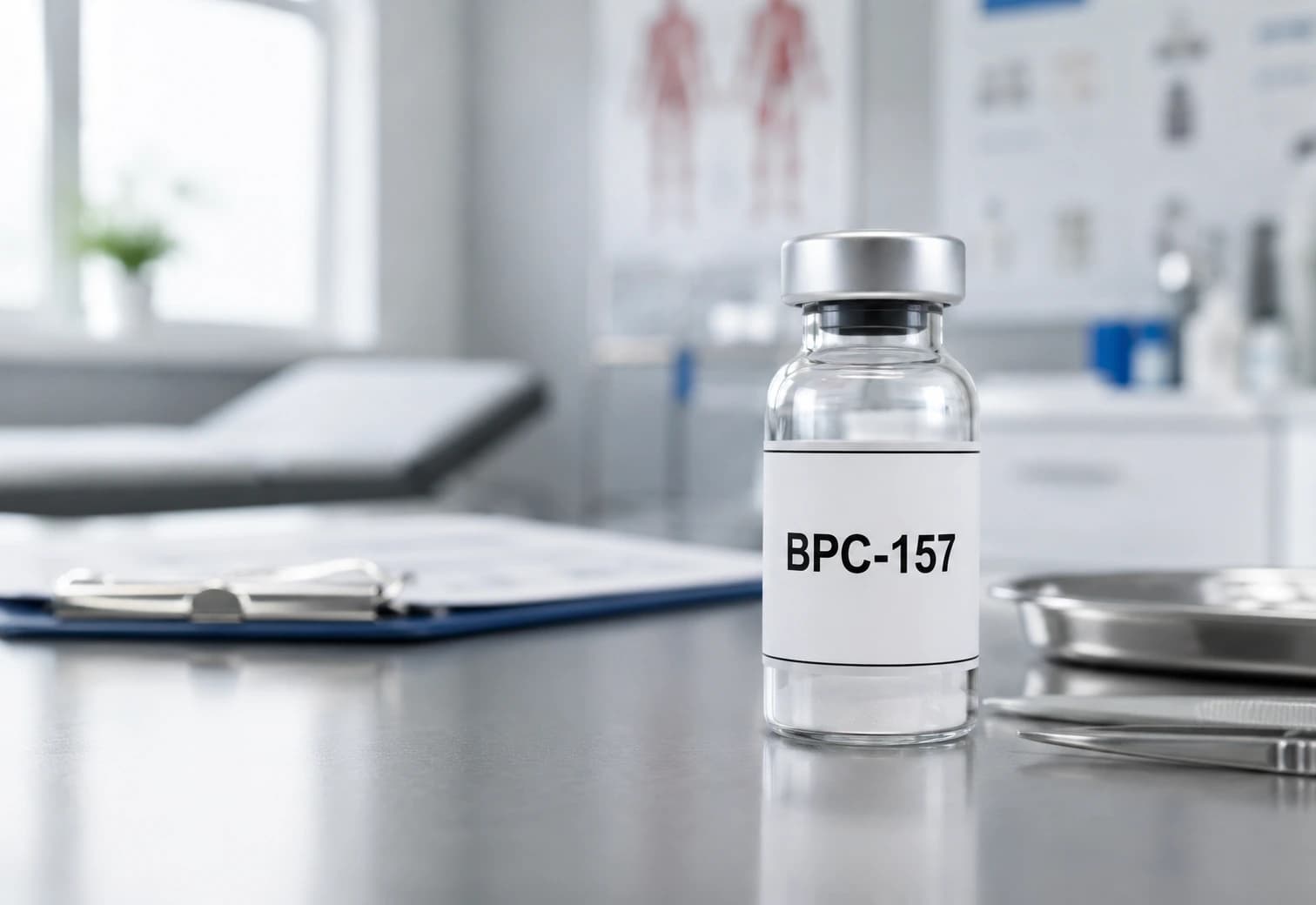

BPC 157 - What Should You Know About It

BPC 157 (Body Protective Compound-157) is a short peptide derived from a protein naturally present in gastric juice. Unlike some synthetic peptides, BPC 157 closely mimics an endogenous molecule and exhibits stability in acidic environments. Although human trials specific to disc injury are lacking, general research has explored its ability to promote angiogenesis, modulate inflammation, and support cellular regeneration. Animal and cell-based studies provide the foundation for ongoing investigation into orthopedic applications.

BPC 157 Mechanisms of Action

At the cellular level, BPC 157 appears to:

  • Promote angiogenesis by upregulating vascular endothelial growth factor (VEGF).

  • Modulate nitric oxide pathways to help regulate blood flow and inflammation.

  • Influence growth factors such as fibroblast growth factor (FGF) and transforming growth factor beta (TGF-β) to accelerate tissue repair.

These mechanisms are documented in preclinical models demonstrating accelerated healing in injured tendons and muscle tissue PubMed article on BPC 157 regenerative effects.

Research on BPC 157 for Herniated Disc

Direct human studies on bpc 157 herniated disc research are not yet available. However, multiple animal models of soft-tissue injury and in vitro assays on human cells show that BPC 157 can reduce pro-inflammatory cytokines and enhance collagen synthesis. These findings set the stage for future clinical trials in spinal disc pathology.

How BPC 157 Works in Disc Herniation

Anti-Inflammatory Effects

Peptides for lower back pain often aim to calm inflammation around the injured disc. BPC 157 downregulates cytokines like interleukin-6 and tumor necrosis factor-alpha, which may relieve nerve irritation faster than rest alone.

Collagen Synthesis and Tissue Repair

Rebuilding the annulus fibrosus requires new collagen fibers. BPC 157 stimulates fibroblast activity via TGF-β1 and FGF pathways, supporting the structural integrity of the disc wall and potentially preventing further extrusion.

Multitargeted Approach

By addressing blood flow, inflammation, and collagen rebuilding, BPC 157 offers a multi-modal strategy compared to NSAIDs, which primarily block pain and inflammation.

Administration and Dosage

How to Inject BPC 157

BPC 157 typically arrives as a lyophilized powder reconstituted with bacteriostatic water. Insulin syringes (29–31 gauge) allow for subcutaneous injections, which are simpler for most patients than intramuscular routes. All injections must be performed under sterile conditions.

Where to Inject BPC 157

Rotating injection sites helps prevent irritation. Common areas include:

  • Abdomen (about 2 inches from the navel)

  • Outer thigh

  • Triceps area of the upper arm

Some protocols suggest injections near the lumbar region for localized effect, but this requires advanced technique and medical oversight.

BPC 157 Dosage Guidelines

Clinical consensus is still emerging. Reported regimens often use 200–500 mcg per day, split into two doses, over a 4–6 week cycle followed by a rest period. Lower starting doses (100–200 mcg daily) may help assess individual tolerance. Always consult a healthcare professional before beginning any peptide protocol.

Expected Recovery Timeline with BPC 157

BPC 157 Recovery Timeline

- Weeks 1–2: Noticeable reduction in pain as local inflammation decreases.

- Weeks 3–4: Improved flexibility and tolerance for light physical therapy.

- Weeks 5–6: Enhanced functional mobility; some patients resume low-impact exercise.

- Weeks 8–10: Reassessment via imaging or functional tests may reveal structural improvements.

Signs You’re Responding

- Lower resting pain and reduced reliance on analgesics

- Improved straight-leg raise and bending tolerance

- Greater ease with daily activities

Adjusting Treatment

If progress plateaus after four weeks, medical supervision may guide dose adjustment, extended cycles, or integration with physical therapy.

Potential Risks and Side Effects of BPC-157

BPC 157 Side Effects

- Mild redness or itching at injection sites

- Occasional headache or nausea

- No significant organ toxicity reported in preclinical studies

Contraindications and Drug Interactions

- Blood thinners: Use caution with warfarin or DOACs due to potential effects on clotting.

- Cancer patients: The angiogenic properties may theoretically support tumor growth—avoid without oncologist approval.

- Pregnancy and breastfeeding: No safety data; contraindicated.

Monitoring and Oversight

Regular follow-up with a clinician experienced in peptide therapies is essential. Recommended labs include basic metabolic panels and coagulation profiles when indicated.

Professional Guidance and Next Steps

A multidisciplinary strategy offers the best outcomes for disc herniation. Consult a spine specialist if severe pain, neurological deficits, or urinary changes occur. Combine any BPC 157 protocol with:

- Core-strengthening and flexibility exercises guided by a physical therapist

- Ergonomic adjustments and anti-inflammatory nutrition

- Routine tracking of symptoms and functional gains

Always partner with qualified healthcare providers before pursuing peptide-based treatments.

Frequently Asked Questions

What is BPC 157 and how is it different from other peptides?

BPC 157 is a peptide derived from gastric juice that mimics a natural protective compound. It is notable for its stability in acidic environments and its potential to promote tissue repair and angiogenesis.

Is BPC 157 approved for treating herniated discs?

How quickly might someone see pain relief with BPC 157?

Are there any serious side effects or risks?

Can BPC 157 be combined with physical therapy?

Where can I learn more about conventional treatments for herniated discs?

Disclaimer: This website connects patients with licensed healthcare providers who can evaluate medical conditions and prescribe medications when appropriate. Some medications available through this service may be compounded drugs, which are customized formulations prepared by a pharmacy. The FDA does not conduct premarket review for compounded drugs to evaluate their safety, effectiveness, or quality. (See here: https://www.fda.gov/consumers/consumer-updates/it-really-fda-approved). Individual results may vary, and these medications should only be used under the guidance of a qualified healthcare professional. The information in this article is for educational purposes only and should not be considered medical advice. Always consult your healthcare provider before starting any new treatment.

How we reviewed this article:
Sources
History

Helimeds has strict sourcing guidelines and relies on peer-reviewed studies, academic research institutions, and medical associations. We avoid using tertiary references. You can learn more about how we ensure our content is accurate and current by reading our editorial policy.

Share this post:

Related Posts