Get GLP1+GIP for $37.25/week
Start Now

BPC-157 Before and After: The Complete Guide to BPC-157 Peptide Benefits & Results

The photo of a man before and after using BPC-157
Heli's Fact-Checking Standards

Every piece of content at Heli's adheres to the highest editorial standards for language, style, and medical accuracy. To learn what we do to deliver the best health and lifestyle insights to you, Check out our content review principles.

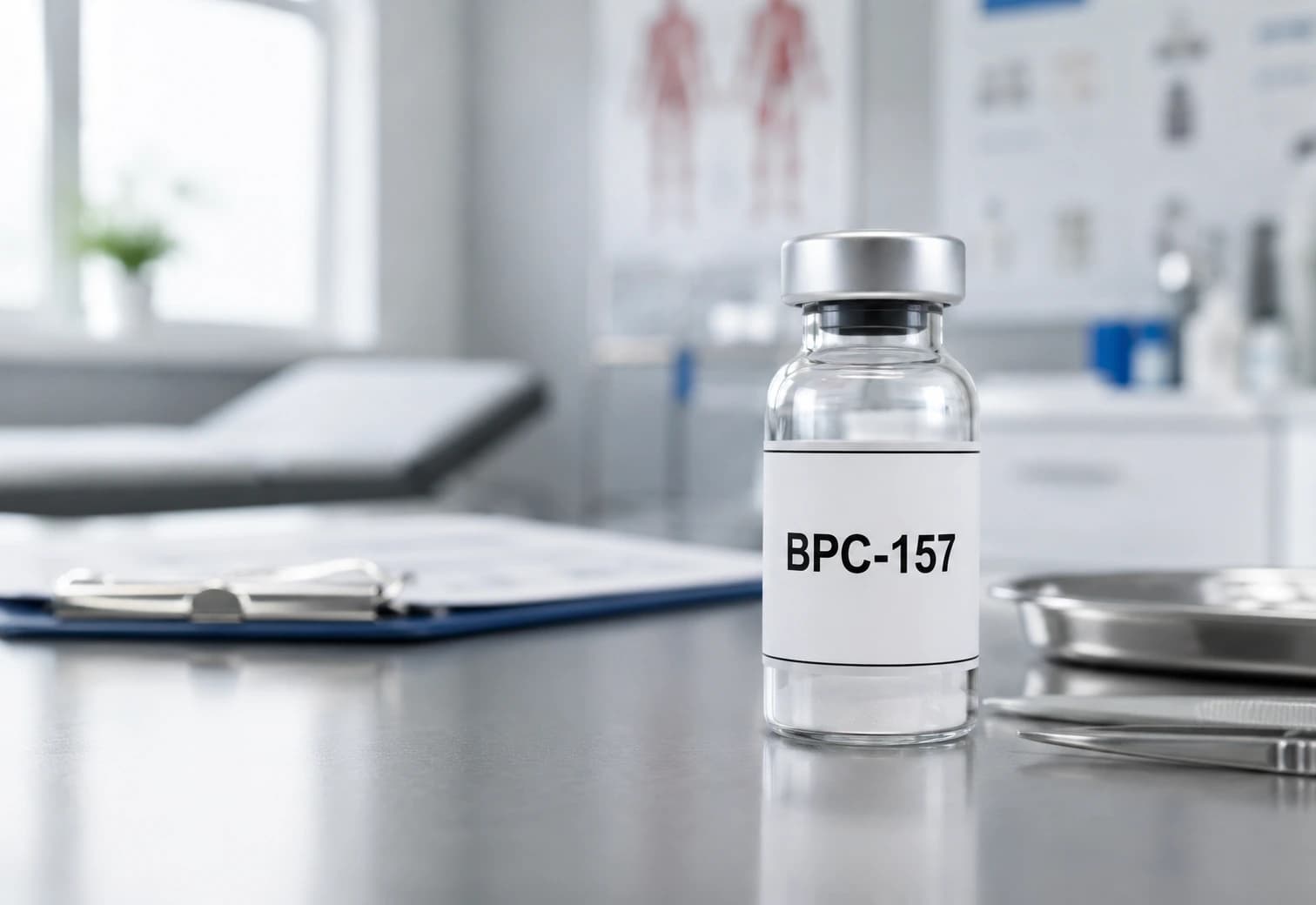
BPC 157 (body protection compound-157) has become one of the most discussed peptides in the wellness, recovery, and restorative medicine space. Interest in BPC 157 comes from its potential role in soft-tissue repair, joint comfort, gastrointestinal support, and overall recovery. While human research is still developing, preclinical studies, case reports, and user experiences have made BPC-157 a popular topic for people looking to better understand peptide-based support.

Below, we review what is currently known about bpc 157, including possible benefits, before-and-after observations, administration routes, safety considerations, and what to keep in mind when discussing BPC-157 with a qualified healthcare professional.

The FDA’s Pharmacy Compounding Advisory Committee (PCAC) will review seven peptides to potentially allow compounders to produce them. These include BPC-157, KPV, TB-500, MOTs-C, Emideltide (DSIP), Semax, and Epitalon. The review follows a shift in oversight to potentially increase access to these substances.

Key details regarding the July 2026 review:

July 23, 2026 Review: BPC-157 (wound/injury), KPV (inflammation), TB-500 (wound healing), and MOTs-C (obesity/osteoporosis).

July 24, 2026 Review: Emideltide (opioid withdrawal/insomnia), Semax (ischemia/migraine), and Epitalon (insomnia).

Purpose: To determine if these peptides can be added to the 503A bulk drugs list, allowing compounding pharmacies to create them, reversing earlier restrictions.

These peptides are currently heavily utilized in wellness, longevity, and restorative medicine but have faced regulatory uncertainty regarding their safety and legality.

Source: FDA July 23–24, 2026 Meeting of the Pharmacy Compounding Advisory Committee


BPC 157 at a Glance

BPC 157 is a synthetic peptide derived from a protein fragment naturally found in human gastric juice. Composed of 15 amino acids, this bpc-157 peptide was first characterized in the 1990s for its apparent protective effects on the digestive system. Although BPC-157 is not approved by the U.S. Food and Drug Administration for any indication, off-label use among researchers and in experimental settings has grown, driven primarily by animal studies and anecdotal reports.

Composition & Origin of the BPC-157 Peptide

At its core, the bpc-157 peptide is a short chain of amino acids produced via solid-phase synthesis. It mimics a fragment of the native gastric protein, which may allow it to interact with receptors involved in tissue repair without provoking a strong immune response. In laboratory conditions, BPC-157 remains stable in acidic environments, supporting its proposed gut-protective role.

Comparison With Other Healing Peptides

Compared with related peptides—such as TB-500 (Thymosin Beta-4) or collagen peptides—BPC-157 peptides appear to have a broader spectrum of preclinical data spanning gut lining, tendon, ligament, and nerve repair. While TB-500 is primarily studied for muscle-related recovery, users comparing “bpc157 peptide” with alternatives often cite faster ulcer healing in animal models and reduced tendon recovery time.

What Does BPC 157 Do?

Most evidence for how BPC-157 works comes from rodent models, where it appears to promote the body’s natural repair mechanisms. Although human data are limited, early findings suggest multiple pathways by which this peptide BPC 157 may support healing.

Mechanisms in Tissue Repair

Scientists believe BPC-157 modulates growth factors—proteins that guide cell division, migration, and extracellular matrix formation. Acting like a traffic director at an injury site, BPC-157 can signal blood vessels to expand, cells to move into damaged areas, and inflammation to subside. In animal experiments, wounds treated with BPC-157 have been reported to close faster compared with controls.

Role in Angiogenesis & Inflammation

Angiogenesis, the formation of new blood vessels, is vital for nutrient and oxygen delivery to healing tissues. Peptides BPC 157 have enhanced capillary growth around injury sites in preclinical studies. Concurrently, BPC-157 appears to temper excessive inflammation by reducing levels of pro-inflammatory cytokines, which can otherwise prolong pain and swelling.

BPC 157 Benefits and Before and After Insights

A mix of early case reports and online “bpc-157 before and after” anecdotes highlights several areas where users believe BPC-157 benefits have been most pronounced.

Key Benefits of BPC 157 for Injury Recovery

  1. Speedier Soft Tissue Healing: Reports of reduced pain and stiffness in tendon or ligament strains within days rather than weeks.

  2. Gastrointestinal Support: Anecdotal relief from ulcers and acid reflux symptoms.

  3. Joint Health: Perceived reductions in swelling and improved range of motion in arthritic or overused joints.

  4. Nerve Regeneration: Preliminary rodent data hint at improved nerve fiber reconnection after injury, suggesting possible applications in neuropathy.

These benefits of bpc 157 align with lab data showing increased collagen-I and collagen-III expression—key proteins for tissue strength and elasticity.

Before & After Observations

Although large human trials are lacking, small case reports have appeared in alternative medicine journals. Individual user experiences on forums often describe notable mobility gains and reduced downtime after injury.

BPC 157 Administration and Use Considerations

Because BPC-157 is associated with regulatory and compounding uncertainty, its use is not based on standardized clinical guidelines. Any use should be discussed with a qualified healthcare professional who can evaluate the individual’s health history, goals, current medications, and potential risks.

Injection vs Oral BPC 157

BPC-157 is discussed in both injectable and oral forms. Injectable use is often associated with targeted soft-tissue or joint concerns, while oral formulations are commonly discussed for gastrointestinal support and general recovery. However, differences in absorption, safety, and effectiveness are not well established in large human trials.

Medical Guidance and Monitoring

People should avoid self-directed use, stacking peptides, or adjusting use based only on online protocols. Monitoring should focus on pain levels, mobility changes, symptom patterns, and any side reactions under medical supervision. Competitive athletes should also be aware that BPC-157 is listed by USADA as a prohibited experimental peptide under the WADA S0 Unapproved Substances category.

BPC 157 Side Effects and Safety

While animal studies demonstrate low toxicity even at high exposures, human safety data remain preliminary.

Common Side Effects of BPC-157

Reported side effects are generally mild and infrequent:

  • Injection Site Irritation: Brief redness or itching.

  • Headache or Dizziness: Rare and often reversible after changing or stopping use.

  • Fatigue: Some users report mild tiredness.

No consistent serious adverse events have emerged in limited case series.

Safety Considerations & Contraindications

  • Contraindications: Pregnant or breastfeeding individuals should avoid BPC-157 due to unknown fetal or neonatal effects. Those with active cancer should consult an oncologist, as growth-factor modulation could theoretically influence tumor growth.

  • Risk Mitigation: Use BPC-157 only under appropriate medical supervision. If injectable products are used in a clinical setting, they should follow safe injection practices. Discontinue use and seek medical advice if unexpected swelling, fever, or persistent pain occurs.

Frequently Asked Questions

How Long Until I See Results With BPC 157?

Some users describe improvements in pain or mobility within days or weeks, but individual responses vary widely.

Can I Take BPC 157 Orally?

Is BPC 157 Safe for Long-Term Use?

How Can Product Quality Affect BPC 157 Safety?

Disclaimer: This website connects patients with licensed healthcare providers who can evaluate medical conditions and prescribe medications when appropriate. Some medications available through this service may be compounded drugs, which are customized formulations prepared by a pharmacy. The FDA does not conduct premarket review for compounded drugs to evaluate their safety, effectiveness, or quality. (See here: https://www.fda.gov/consumers/consumer-updates/it-really-fda-approved). Individual results may vary, and these medications should only be used under the guidance of a qualified healthcare professional. The information in this article is for educational purposes only and should not be considered medical advice. Always consult your healthcare provider before starting any new treatment.

How we reviewed this article:
Sources
History

Helimeds has strict sourcing guidelines and relies on peer-reviewed studies, academic research institutions, and medical associations. We avoid using tertiary references. You can learn more about how we ensure our content is accurate and current by reading our editorial policy.

Share this post:

Related Posts