What is considered a high dose of tadalafil?

Medically reviewed by: Dr. Alexandra Christiansen, MD
Written by: Azhar Qureshi
Helimeds’ Fact-Checking Standards. Every piece of content at Helimeds adheres to the highest editorial standards for language, style, and medical accuracy. To learn what we do to deliver the best health insights to you, check out our content review principles.

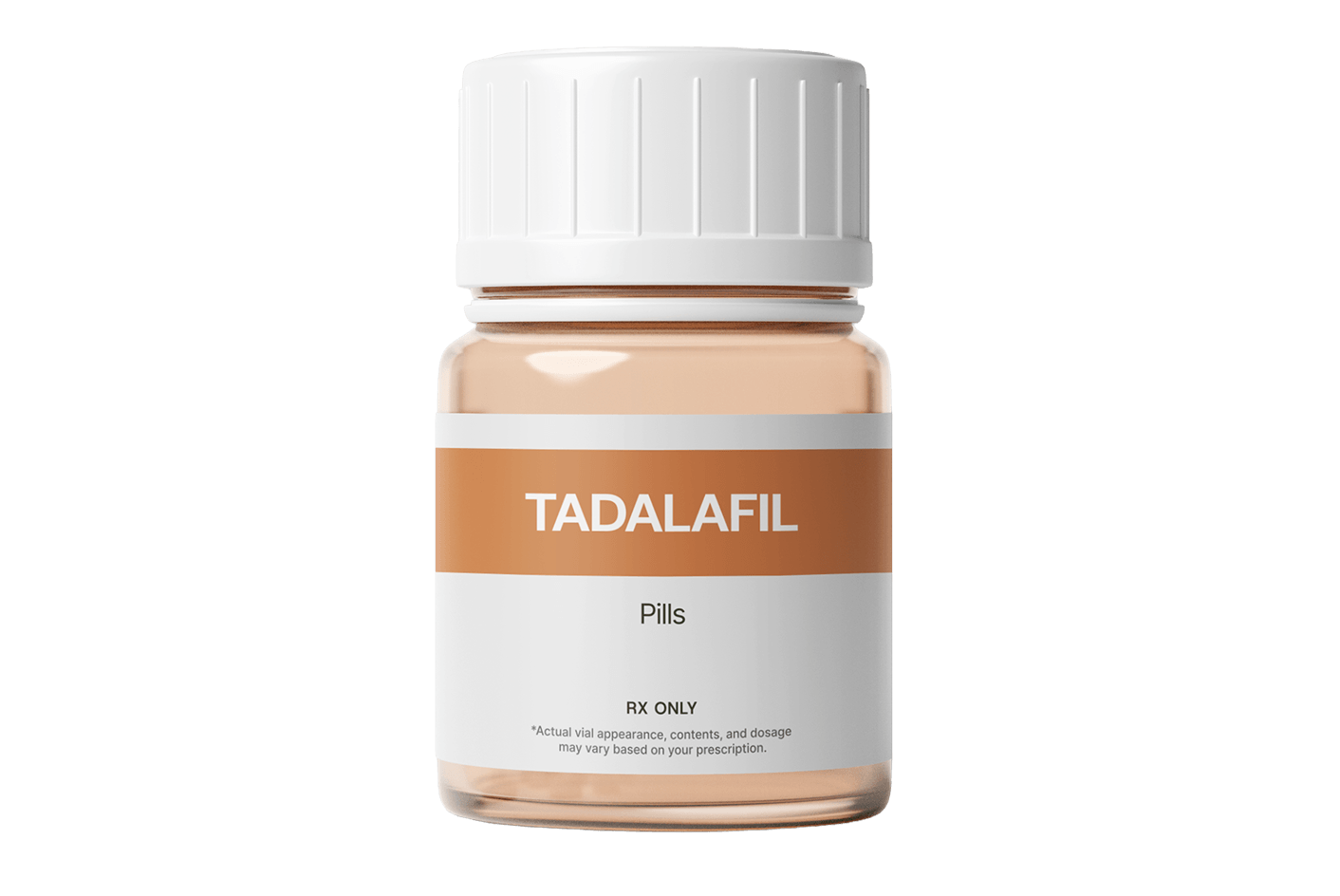
For erectile dysfunction (ED), 20 milligrams (mg) is the highest recommended single dose of tadalafil for as-needed use. For a once-daily ED regimen, 5 mg is the upper recommended dose. That means 10 mg may fit an as-needed prescription while being above the recommended once-daily ED dose.
These limits are not a personal safety clearance. Kidney or liver problems, medication interactions, and side effects can make a lower amount appropriate. Tadalafil is also used for pulmonary arterial hypertension under a different treatment regimen, so a dose prescribed for that condition should not guide ED treatment.
If you have already taken more than prescribed, contact Poison Control at 1-800-222-1222 for guidance. Call 911 for chest pain, fainting, or trouble breathing.
How high is high? The reason and schedule matter
“High dose” is not a formal diagnosis or a single number that applies to every tadalafil prescription. Three questions determine what the number means: What condition is being treated? Is the medication prescribed daily or as needed? Does the person have a reason to need a lower dose?
The comparison below describes standard oral-tablet dosing boundaries. It does not replace the instructions on your prescription or authorize a change.
| Treatment situation | How to interpret the dose |
|---|---|
| ED treated as needed | 20 mg is the upper recommended single dose. A prescription may be for less. |
| ED treated once daily | 5 mg is the upper recommended daily dose. A 10 mg or 20 mg daily ED regimen is above this recommendation. |
| Enlarged-prostate symptoms, with or without ED | 5 mg once daily is the recommended regimen, although individual circumstances can require a different plan. |
| Pulmonary arterial hypertension | This uses a separate treatment regimen and product-specific instructions. Its dosing should not be borrowed for ED. |
The tadalafil dosage overview from Medical News Today describes these distinctions between daily ED treatment, as-needed ED treatment, and treatment for other conditions.
Helimeds' tadalafil treatment-information page describes its oral tablet service.
As-needed tadalafil: 20 mg is the upper end
For as-needed ED treatment, 20 mg is a high dose in the sense that it is the top of the recommended dosing range. It is not automatically an overdose when a clinician has prescribed it for an appropriate patient.
However, 20 mg is not appropriate for everyone. A person prescribed a lower amount should not treat the upper limit as permission to increase their dose. The prescribed amount reflects more than how strong an erection someone wants. It also reflects medication clearance, other medicines, tolerability, and cardiovascular health.
Amounts such as 30 mg or 40 mg exceed the recommended as-needed ED dose. Taking an extra tablet because the first dose did not produce the expected response can increase medication exposure without addressing why treatment was disappointing.
Once-daily tadalafil: a smaller number serves a different purpose
Daily tadalafil uses lower doses because medication is taken regularly rather than only before anticipated sexual activity. The upper recommended daily ED dose is 5 mg.
A 5 mg daily prescription is not simply an underpowered version of a 20 mg as-needed prescription. These are different approaches to maintaining medication exposure. Daily treatment can reduce the need to coordinate a tablet with sexual activity, while as-needed treatment may suit someone who prefers intermittent use.
The choice depends on response, side effects, preferences, and medical circumstances. Switching between daily and as-needed tadalafil requires a prescriber's plan, especially because medication from earlier doses may still be present.
A dose can be within the general recommended range and still be too much for a particular person.
Why a standard dose can still be too high for you
The number printed on the tablet does not fully describe its effect in your body. Tadalafil relaxes blood vessels, and its effects are not limited to the penis. How much medication remains in circulation and which other substances are present can change the risks.
This is why a medication review is essential before starting treatment and whenever another medicine is added. Feeling well after a previous dose does not establish that a new combination is safe.
Kidney and liver health can change medication exposure
Kidney and liver problems can affect how the body handles tadalafil. Depending on the condition and its severity, a clinician may need to prescribe a lower amount, allow more time between doses, avoid daily treatment, or choose another option.
You cannot reliably judge kidney or liver function from symptoms alone. Bring any known diagnosis, dialysis history, and relevant recent test results to the prescribing clinician. Do not use a general internet dose chart to adjust for a laboratory result yourself.
A new diagnosis matters even if your prescription has worked well for years. The appropriate question is whether the existing regimen still fits your health, rather than whether you have reached the general maximum.
Other medicines can make the same tablet riskier
Some medicines increase tadalafil exposure by slowing its breakdown. Others add to its blood-pressure-lowering effects. These are different kinds of interactions, and their management is not interchangeable.
Tadalafil must not be taken with nitrates or riociguat. Nitrates include medicines such as nitroglycerin used for chest pain. Recreational nitrite products commonly called “poppers” also pose a dangerous interaction. Combining these substances can cause a severe drop in blood pressure.
Alpha-blockers used for prostate symptoms or blood pressure, other blood pressure medicines, certain antifungal medicines, and some HIV medicines also require review. Alpha-blockers are not the same as nitrates, and they are not universally prohibited, but their use with tadalafil needs careful assessment.
The Cialis U.S. prescribing information identifies the nitrate contraindication and restriction involving riociguat. Give the clinician and pharmacist your complete medication list rather than trying to screen only for familiar brand names.
Alcohol and cardiovascular health also matter
Heavy alcohol use can add to tadalafil's blood-pressure effects, increasing the likelihood of dizziness, headache, and fainting. Alcohol can also interfere with sexual response, making it tempting to blame the medication and take more.
Heart health requires a separate assessment. Tadalafil is not appropriate when sexual activity is medically inadvisable because of cardiovascular status. Tell the clinician about chest pain, fainting, recent heart or circulation problems, and symptoms during exertion.
The Mayo Clinic tadalafil precautions explain the importance of disclosing heart problems, limiting excessive alcohol, and checking interactions. A smaller tadalafil dose does not make a prohibited combination acceptable.
What a higher dose can and cannot change
Tadalafil belongs to a group of medicines called phosphodiesterase type 5, or PDE5, inhibitors. For ED, it helps support blood flow involved in getting and maintaining an erection during sexual stimulation.
That benefit can be meaningful when ED interferes with sexual activity. But a stronger dose is only one possible adjustment, and it should follow a review of how treatment is being used and what outcome is missing.
A higher dose may help some people, with tradeoffs
Within the recommended range, a clinician may consider a higher as-needed dose when a lower prescribed dose has not provided enough benefit and has been tolerated. The decision weighs erection response against side effects and individual risks.
It is not accurate to say that a higher dose can never improve results. It is equally inaccurate to assume that doubling the amount doubles the benefit. People differ in their response, and the general upper limit does not establish an effective or safe dose for every person.
Once someone is already at the recommended upper ED dose, taking more is not a routine solution. Persistent difficulty calls for reassessment, which may lead to a different regimen, another ED treatment, or evaluation of an underlying condition.
Erection response is different from desire and orgasm
Tadalafil does not automatically create sexual desire or produce an erection without sexual stimulation. It also does not increase penis size or serve as a general treatment for fertility, orgasm difficulty, or ejaculatory timing.
If the main concern is low desire, pain, reduced sensation, or difficulty reaching orgasm, increasing tadalafil may miss the actual problem. Describe the specific concern rather than reporting only that the medication “doesn't work.”
That distinction helps a clinician decide whether the issue involves erection firmness, maintaining an erection, arousal, a medication side effect, relationship concerns, or another health question. More than one issue can be present, and they may need different approaches.
A disappointing result does not automatically mean the dose is low
Before changing treatment, review the circumstances with the prescriber. Useful details include:
- Whether the difficulty involves getting an erection, maintaining it, or both.
- The exact product, prescribed amount, and whether it is used daily or as needed.
- When the medication was taken relative to sexual activity.
- Whether there was sexual stimulation and sufficient opportunity for arousal.
- Alcohol use, new medicines, and any side effects.
- Whether the problem is consistent or varies by situation.
Tadalafil tablets can be taken with or without food, so a meal is not automatically the explanation for an inadequate response. Food instructions differ among ED medicines, which is one reason tadalafil and sildenafil instructions should not be treated as interchangeable.
A useful response review is more specific than “try a stronger pill.” It identifies what happened and what a change would be intended to improve.
Recognizing side effects and situations that need urgent help
Side effects do not prove that tadalafil is working, and their absence does not prove that a dose is safe. Common discomforts, serious reactions, and accidental extra doses require different responses.
Common side effects deserve a practical review
Common tadalafil side effects include headache, indigestion, flushing, nasal congestion, back pain, and muscle aches. Some can become more troublesome at higher doses.
Record when a symptom begins, how severe it is, how long it lasts, and whether it returns after treatment. Tell the clinician whether it interferes with sleep, work, exercise, or sexual activity. These details help assess tolerability and whether a prescription change is appropriate.
Do not assume every new symptom is a routine medication effect. Severe, unusual, worsening, or persistent symptoms need medical advice. Avoid adding another prescription medicine or repeatedly treating symptoms with over-the-counter products without checking for interactions.
Certain symptoms need immediate attention
Seek urgent help for the following:
- An erection lasting longer than four hours. Go to an emergency department, even if it is not painful. Delayed treatment can cause lasting injury.
- Sudden vision loss or a sudden decrease in vision. Stop taking tadalafil and seek immediate medical attention.
- Sudden hearing decrease or loss, with or without ringing in the ears or dizziness. Stop taking tadalafil and obtain prompt medical attention.
- Chest pain, collapse, severe shortness of breath, or signs of a serious allergic reaction, such as facial swelling or difficulty breathing. Call 911.
If chest pain occurs after tadalafil, do not take nitroglycerin or another nitrate yourself. Tell emergency responders that you took tadalafil and when you took it. Emergency clinicians must manage the interaction risk.
These symptoms are not exclusive to an overdose. They can occur during prescribed treatment and should not be dismissed because the dose was below 20 mg.
If you took more than prescribed
Call Poison Control at 1-800-222-1222 promptly for individualized guidance, even if you currently feel well. For severe symptoms, call 911 rather than waiting for a return message from a clinician or telehealth platform.
Have the container available. Be ready to report the product name, tablet strength, amount taken, timing, other medicines or substances used, and any symptoms. Mention every tadalafil-containing product, including combination preparations.
Do not induce vomiting or take another medicine to try to counteract tadalafil. Get instructions about further doses from Poison Control or a treating clinician rather than guessing when it is safe to resume.
An accidental extra dose needs an exposure assessment. A symptom-free waiting period is not a substitute for advice.
Checking the product and preparing for a dose conversation
Dose questions become harder when product names, formulations, or multiple prescriptions overlap. Confirming exactly what you have is often the most useful first step.
Cialis, generic tadalafil, and compounded products are distinct
Cialis is a brand-name oral tadalafil product. FDA-approved generic tadalafil tablets also exist. A compounded tadalafil preparation is a separate category, even if it contains the same named active ingredient.
Compounded drugs are not FDA-approved, and the FDA does not review their safety, effectiveness, and quality before marketing. A chewable, liquid, or combination preparation should not automatically be treated as interchangeable with an approved tablet.
For any product, check the active ingredients, strength, dosage form, and dispensing directions. A combination product may contain another ED medicine, so its total medication exposure cannot be understood by looking at tadalafil alone. Ask the dispensing pharmacist to resolve unclear labeling before use.
Helimeds' guide to unusual tadalafil strengths and preparations discusses why the formulation matters when reviewing a dose.
Do not add sildenafil or a tadalafil “booster” yourself
Taking daily tadalafil and adding an as-needed tablet is not a standard do-it-yourself strategy. Neither is combining tadalafil with sildenafil or another PDE5 inhibitor because one medication seems insufficient.
These combinations can increase exposure and adverse effects. A separate prescription from another service does not establish that the medicines are safe together. Every prescriber needs to know what you already take.
If you want to compare tadalafil with sildenafil, discuss response, duration, side effects, interactions, and the preferred treatment pattern. Milligram numbers are not directly comparable between these medicines, and there is no universal dose-conversion rule for switching.
Bring a focused record to the clinician
You do not need an elaborate diary, but a short, accurate record can make the conversation more useful. Include:
- A photo or copy of the medication label and dispensing instructions.
- All prescription medicines, nonprescription products, supplements, and recreational substances.
- The prescribed regimen and any doses taken differently from that plan.
- What improved, what remained difficult, and any side effects.
- Relevant heart, kidney, liver, eye, or hearing history.
- Your main preference, such as less timing pressure or fewer adverse effects.
Persistent ED can warrant assessment for contributing conditions, including diabetes, vascular disease, medication effects, or psychological factors. The clinician may recommend tests, an examination, counseling, a different medication, or a non-tablet treatment rather than a higher dose.
For adults considering online ED care through Helimeds, the process begins with medical intake and review by an affiliated licensed clinician. A prescription is issued only if clinically appropriate and permitted in the patient's state; fulfillment is a separate step handled through a licensed pharmacy partner. Some situations require further testing, an examination, or in-person care.
The bottom line on a high tadalafil dose
For ED, 20 mg is the upper recommended as-needed dose, while 5 mg is the upper recommended once-daily dose. A dose below those limits can still be inappropriate because of interactions, health conditions, or poor tolerability. Higher-dose treatment for another condition does not justify exceeding the ED regimen.
If your prescription is not helping enough, keep the label and record your response before contacting the treating clinician. The next step is to identify whether the issue is dose, treatment pattern, side effects, or the underlying cause of ED. If you are seeking a new assessment, a Helimeds intake can begin that review, with prescribing dependent on clinical appropriateness.
This article provides general health information and does not replace advice from your licensed healthcare professional.
Frequently asked questions
Is 10 mg of tadalafil a high dose?
For as-needed ED treatment, 10 mg is within the recommended dosing range and below the 20 mg upper limit. For once-daily ED treatment, 10 mg exceeds the recommended daily dose. Whether it is appropriate for you depends on your prescription, health, and other medicines.
Can I take 40 mg of tadalafil for erectile dysfunction?
A 40 mg dose exceeds the recommended as-needed ED maximum of 20 mg. Tadalafil is used at different doses for pulmonary arterial hypertension, but that separate indication does not make 40 mg an appropriate ED dose. If you have already taken more than prescribed, contact Poison Control at 1-800-222-1222.
Can I add extra tadalafil to my daily prescription before sex?
Do not add extra tadalafil to a daily prescription on your own. Medication from earlier doses may still be present, and adding more can increase adverse effects. Ask the prescriber to review the daily regimen or discuss an alternative treatment pattern.
Does needing 20 mg mean my erectile dysfunction is severe?
A 20 mg prescription does not, by itself, establish how severe ED is. Dose selection reflects response, tolerability, health conditions, and other medicines, as well as the prescribed treatment pattern. A clinician evaluates severity from your symptoms and history rather than tablet strength alone.
History
Current Version
Written by Azhar Qureshi
Medically reviewed by Dr. Alexandra Christiansen, MD