

Get GLP1+GIP for $37.25/week
Start Now

Trulicity vs Mounjaro

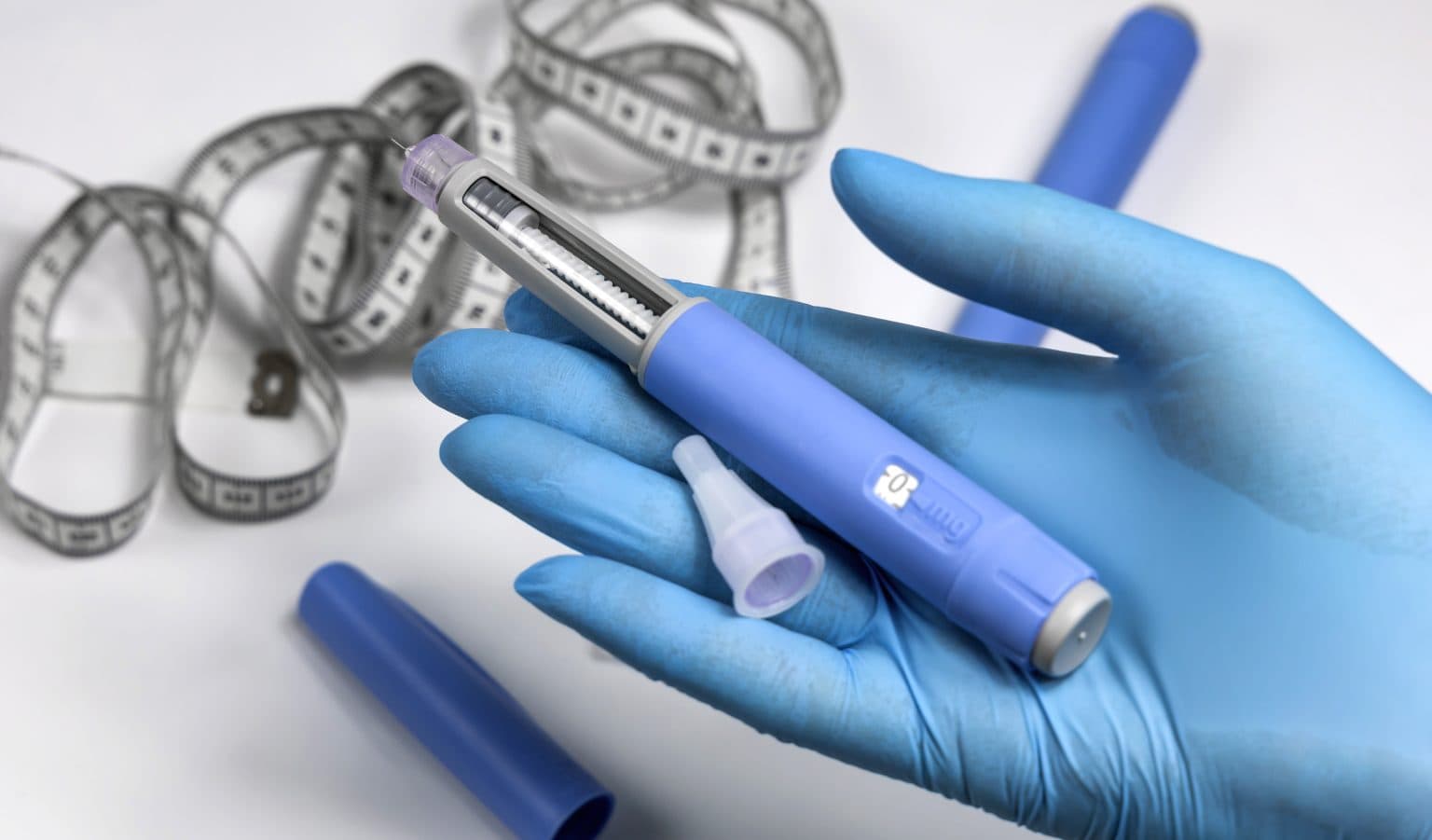
Trulicity vs Mounjaro picture
Heli's Fact-Checking Standards

Every piece of content at Heli's adheres to the highest editorial standards for language, style, and medical accuracy. To learn what we do to deliver the best health and lifestyle insights to you, Check out our content review principles.

If you or any of your family members have been diagnosed with type 2 diabetes, you may have heard about Trulicity and Mounjaro. Trulicity and Mounjaro provide blood sugar control for patients with type 2 diabetes, a long-term, progressive disease characterized by inadequate insulin production or action, which results in elevated blood glucose levels.


These are trendy FDA-approved medications that have been in the news recently for their ability to address and treat diabetes and chronic obesity. The drugs improve glycemic control in diabetes type 2 patients and contribute to weight loss up to 20%. Beyond the headlines, how do they compare, even though the same company makes them? Which stands out and might have benefits for you? What are the differences? And what’s the verdict on the frequently debated question: Trulicity vs. Mounjaro?


What Is Trulicity?

Trulicity is a brand-name prescription medication used to treat type 2 diabetes in adults by lowering blood sugar and A1C levels. The A1C test is a standard blood test that measures average blood sugar levels over the past few months. Trulicity is also known by the generic name dulaglutide


It belongs to a class of drugs called glucagon-like peptide-1 (GLP-1) receptor agonists. GLP-1 is a hormone that helps regulate blood sugar levels by stimulating insulin production and reducing glucagon release. People may take it on its own or coupled with other medications for diabetes. However, Trulicity does not replace insulin and should not be prescribed to individuals with type 1 diabetes.

What Is Mounjaro?

Mounjaro is an injectable brand-name prescription medication used to treat type 2 diabetes. It is used along with diet and exercise to improve blood glucose. Like Trulicity, it is a GLP-1 receptor agonist but also works on another receptor, GIP (Glucose-dependent insulinotropic polypeptide). 


By stimulating both receptors, Mounjaro enhances insulin secretion, improves blood sugar control, and promotes weight loss. Mounjaro does not replace insulin and should not be prescribed to individuals with type 1 diabetes.


Mounjaro is also known by the generic name tirzepatide. Another tirzepatide brand name is Zepbound, which helps adults with obesity, excess weight, or weight-related medical problems.

Trulicity Efficacy

Research shows that Trulicity provided sustained A1C reduction when administered weekly at doses of 3 mg and 4.5 mg compared to 1.5 mg in patients with type 2 diabetes (T2D) inadequately controlled by metformin monotherapy. 

Trulicity for Blood Sugar Control

After you eat, your stomach and digestive system break carbohydrates down into simple sugars, such as glucose, which enter the bloodstream. These GLP-1 medications, like Trulicity, primarily act in the pancreas. There, they enhance the pancreatic Beta cells to secrete insulin. After stimulating insulin, it enters the blood supply and promotes glucose to enter body cells. 


Trulicity helps lower blood sugar levels by:

  • Stimulating insulin production

  • Slowing the rate at which food leaves the stomach

  • Reducing glucagon release

Trulicity for Weight Loss

Doctors may prescribe Trulicity for weight loss in some instances. Its dual action of improving blood sugar control and contributing to weight management makes it a valuable option for those with type 2 diabetes who want to lose weight or improve their metabolic health. Slowing digestion and reducing appetite can lead to modest Trulicity weight loss. It can also reduce the risk of obesity-related complications, such as heart disease and type 2 diabetes. 


Even though it can cause you to lose weight, Trulicity is not FDA-approved for weight loss. Trulicity alternatives that are FDA-approved for weight loss include Wegovy, Saxenda, and Zepbound. You must talk with your doctor or healthcare staff to understand what treatment would meet your needs and health targets.

Trulicity vs Mounjaro: Which Is More Effective?

Comparing Blood Sugar Control

Both Trulicity and Mounjaro are effective at controlling blood sugar levels. However, Mounjaro may still be better, particularly in participants with poorly managed diabetes, as it has shown better results when it comes to lowering HbA1c levels. One study established that it could reduce HbA1c by up to 2.3% in certain patients.

Comparing Weight Loss Results

Mounjaro is generally more effective for weight loss than Trulicity. It can lead to more significant weight loss, particularly for people with obesity. Studies suggest that patients using Mounjaro or tirzepatide may experience more substantial weight loss due to its dual action, enhancing glucose control and weight management.

Trulicity Dosage and Administration

Trulicity is administered once a week via an autoinjector pen. Trulicity dose is typically 0.75 mg or 1.5 mg. The standard starting dose is 0.75 mg, particularly for those new to the medication. After a few weeks, depending on your blood sugar control, your doctor may increase your dose to 1.5 mg. Regular users may increase their Trulicity doses to a maximum of 4.5 mg once per week, especially if additional glycemic control is needed. 

Mounjaro Dosage and Administration

Mounjaro is used once a week via an autoinjector pen. The dosage is gradually increased over several weeks to minimize side effects. It is most commonly used at an initial subcutaneous dosage of 2.5 mg once weekly. Four weeks after starting the treatment, your doctor should increase the dose to 5 mg per week, but if more blood sugar control is needed, your doctor can increase the dose by 2.5 mg.

Common Side Effects of Mounjaro

Typical Side Effects

Common side effects of Mounjaro include:

  • Nausea

  • Vomiting

  • Diarrhea

  • Stomach pain

  • Constipation

Serious Side Effects

Serious Mounjaro side effects are rare. Seek immediate medical attention if you experience symptoms such as: 

  • Pancreatitis

  • Thyroid C-cell tumors

  • Bowel obstruction

  • Gallstones

  • Allergic reactions

  • Kidney disease

Which One Has Fewer Side Effects?

The common side effects of Trulicity and Mounjaro are similar. Many of these are minor to moderate in intensity and are strongly associated with dose escalation. They usually resolve over time as the body adjusts to the new dosage.


Trulicity generally has a more favorable side effect profile regarding gastrointestinal distress. Patients often feel better tolerability, particularly during the initial treatment phase. However, Mounjaro may cause more pronounced gastrointestinal side effects, such as nausea, especially in the early stages of treatment.

Sources
History
Share this post:

Related Posts