
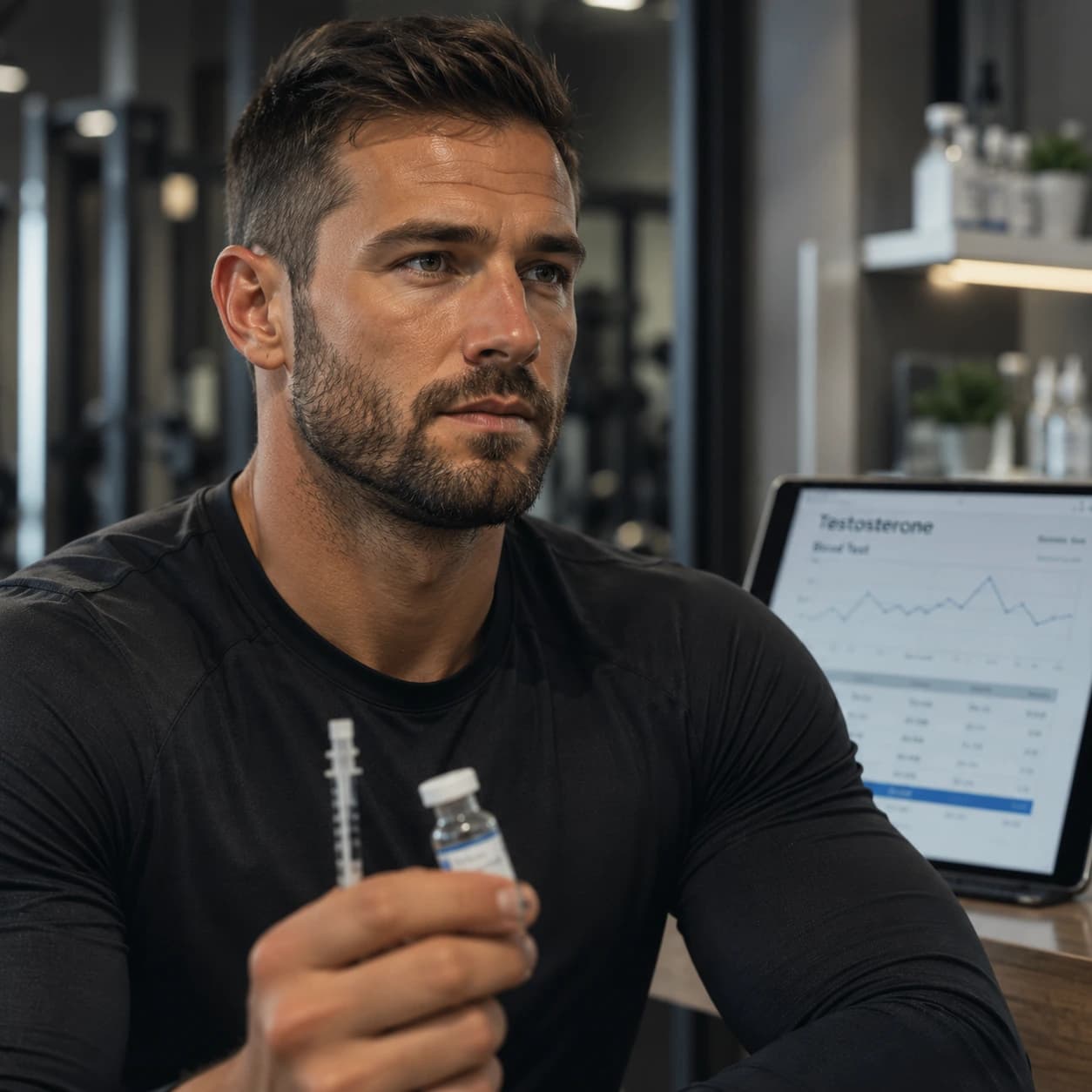

BPC 157 has gained popularity as a healing peptide, but does bpc 157 increase testosterone? In this review, we examine the peptide’s structure, reported bpc 157 benefits, biological mechanisms, and the limited evidence around hormone levels. We also consider how peptides for testosterone may be stacked with testosterone replacement therapy (TRT) and highlight safety considerations.

Every piece of content at Heli's adheres to the highest editorial standards for language, style, and medical accuracy. To learn what we do to deliver the best health and lifestyle insights to you, Check out our content review principles.
BPC 157 Description
Natural Peptide Structure
BPC 157 (Body Protection Compound-157) is a 15-amino-acid sequence derived from a protein found in human gastric juice. As a bpc 157 peptide, it is studied for cell-protective and healing properties. Unlike FDA-approved drugs, BPC 157 is unregulated and available only through research-grade suppliers. Purity and dosing can vary considerably in commercial preparations.
Gastric Origin and Synthetic Forms
In its natural context, BPC 157 helps maintain stomach lining integrity. Synthetic formulations mimic this effect in tissues throughout the body. Preclinical models suggest it supports blood vessel growth, reduces inflammation, and enhances tissue repair. However, nearly all data come from lab and animal studies rather than controlled human trials, so claims about systemic hormone changes warrant caution.
BPC 157 Benefits for Tissue Repair
Accelerated Healing in Preclinical Models
A comprehensive BPC 157 review described faster tendon and bone recovery in rodents. For example, in a rat tendon injury model, treated animals regained tensile strength about 50% faster than controls. Similar studies showed improved bone density and muscle regeneration when bpc-157 was administered after experimental injury.
Angiogenesis and Inflammation Reduction
BPC 157 up-regulates vascular endothelial growth factor (VEGF), promoting angiogenesis around damaged tissues. Enhanced capillary formation improves oxygen and nutrient delivery, while concurrent anti-inflammatory effects limit oxidative damage. These dual actions on blood vessels and immune responses underpin many of the peptide’s proposed healing advantages.
Mechanism: What Does BPC 157 Do in the Body?
Interactions With Growth Factors
By modulating growth factors like VEGF, BPC 157 encourages new capillary networks in injured areas. It also stabilizes endothelial cell junctions, reducing fluid leakage and swelling. This “better roads and crew” analogy helps explain why tissues may repair more efficiently under the peptide’s influence.
Effects on Hormone Pathways
Beyond local repair, BPC 157 appears to interact with the nitric oxide system, affecting blood flow regulation and immune signaling. There is preliminary evidence it influences neurotransmitter pathways (dopamine and serotonin), suggesting possible mood and neuroprotective effects. Direct action on the hypothalamic-pituitary-gonadal axis—and thus on testosterone production—remains speculative.
Does BPC 157 Increase Testosterone?
Preclinical Insights
Rodent experiments have not shown a consistent rise in serum testosterone after bpc 157 administration. Instead, BPC 157 may protect testicular tissue from toxic insults, preserving normal hormone-producing cell structure without driving excess testosterone output.
Human Evidence and Anecdotes
To date, no peer-reviewed human study documents a meaningful increase in total or free testosterone with BPC 157. Anecdotal reports of improved libido or mood lack objective hormone measurements and control groups. Until randomized clinical trials evaluate hormone endpoints, claims of BPC 157 as a “natural testosterone booster” remain unproven.
Peptides for Testosterone: Stacking BPC 157 With TRT
Overview of Testosterone Peptides
Common testosterone peptides focus on growth hormone release (e.g., CJC-1295, ipamorelin) or luteinizing hormone stimulation (e.g., kisspeptin-10). These differ from TRT, which provides exogenous testosterone and can suppress natural production if dosed in excess.
Combining BPC 157 and Testosterone Replacement Therapy
Some hormone-specialty clinics advocate daily bpc157 injections (250–500 mcg) alongside standard TRT (e.g., 100 mg testosterone enanthate weekly). The rationale is that TRT stabilizes systemic testosterone while BPC 157 supports tissue healing and vascular health, potentially mitigating training-related injuries and TRT-linked blood pressure changes. No formal dosing protocols or randomized trials exist, so medical supervision and lab monitoring (CBC, liver panels) are essential when using such stacks.
Safety Profile and Potential Side Effects
Reported Adverse Effects
Animal studies report minimal toxicity even at high doses. Limited human self-experiments note mild injection-site discomfort, brief headaches, and occasional nausea. Serious events (organ toxicity, hormone suppression) have not been documented, but long-term safety data are lacking.
Dosage Considerations and Best Practices
Research-equivalent human doses range from 200 to 500 mcg daily. Key practices include starting at 100–200 mcg, using a 29–31G insulin syringe, rotating injection sites, and verifying product purity via third-party lab certificates. Discontinue use and consult a clinician if unexplained symptoms arise.
Key Takeaways: BPC 157 and Testosterone
BPC 157 is a gastric-derived peptide bpc-157 best known for promoting tissue repair and angiogenesis, not directly boosting testosterone.
Preclinical data support its bpc 157 benefits in healing, but human trials on hormone levels are absent.
Claims that BPC 157 “increases testosterone” remain speculative and anecdotal.
Stacking BPC 157 with TRT targets recovery and vascular support rather than direct hormone stimulation.
Always source peptides from reputable labs, start at low doses, and work with a qualified clinician.
Frequently Asked Questions
Is BPC 157 the same as bpc-157 peptide?
Yes. BPC 157 and bpc-157 peptide refer to the same 15-amino-acid compound derived from human gastric juice.
What does BPC 157 do in the body?
Does BPC 157 increase testosterone in humans?
Can I combine BPC 157 with testosterone replacement therapy?
What are common side effects of BPC 157?
Disclaimer: This website connects patients with licensed healthcare providers who can evaluate medical conditions and prescribe medications when appropriate. Some medications available through this service may be compounded drugs, which are customized formulations prepared by a pharmacy. The FDA does not conduct premarket review for compounded drugs to evaluate their safety, effectiveness, or quality. (See here: https://www.fda.gov/consumers/consumer-updates/it-really-fda-approved). Individual results may vary, and these medications should only be used under the guidance of a qualified healthcare professional. The information in this article is for educational purposes only and should not be considered medical advice. Always consult your healthcare provider before starting any new treatment.
Helimeds has strict sourcing guidelines and relies on peer-reviewed studies, academic research institutions, and medical associations. We avoid using tertiary references. You can learn more about how we ensure our content is accurate and current by reading our editorial policy.
Journal of Managed Care & Specialty Pharmacy. FAQs on Bioavailability, Safety, and Clinical Use of Oral Peptides. 2023. https://www.ajmc.com/view/oral-peptides-faqs-on-bioavailability-safety-and-clinical-use
PubMed. Search: BPC-157. National Library of Medicine. https://pubmed.ncbi.nlm.nih.gov/?term=BPC-157
U.S. Food and Drug Administration. Enforcement Discretion for Research Use Only Products. 2021. https://www.fda.gov/regulatory-information/search-fda-guidance-documents/enforcement-discretion-research-use-only-products