

Get GLP1+GIP for $37.25/week
Start Now

BPC 157 Benefits: Exploring the Healing Peptide BPC-157’s Role in Recovery

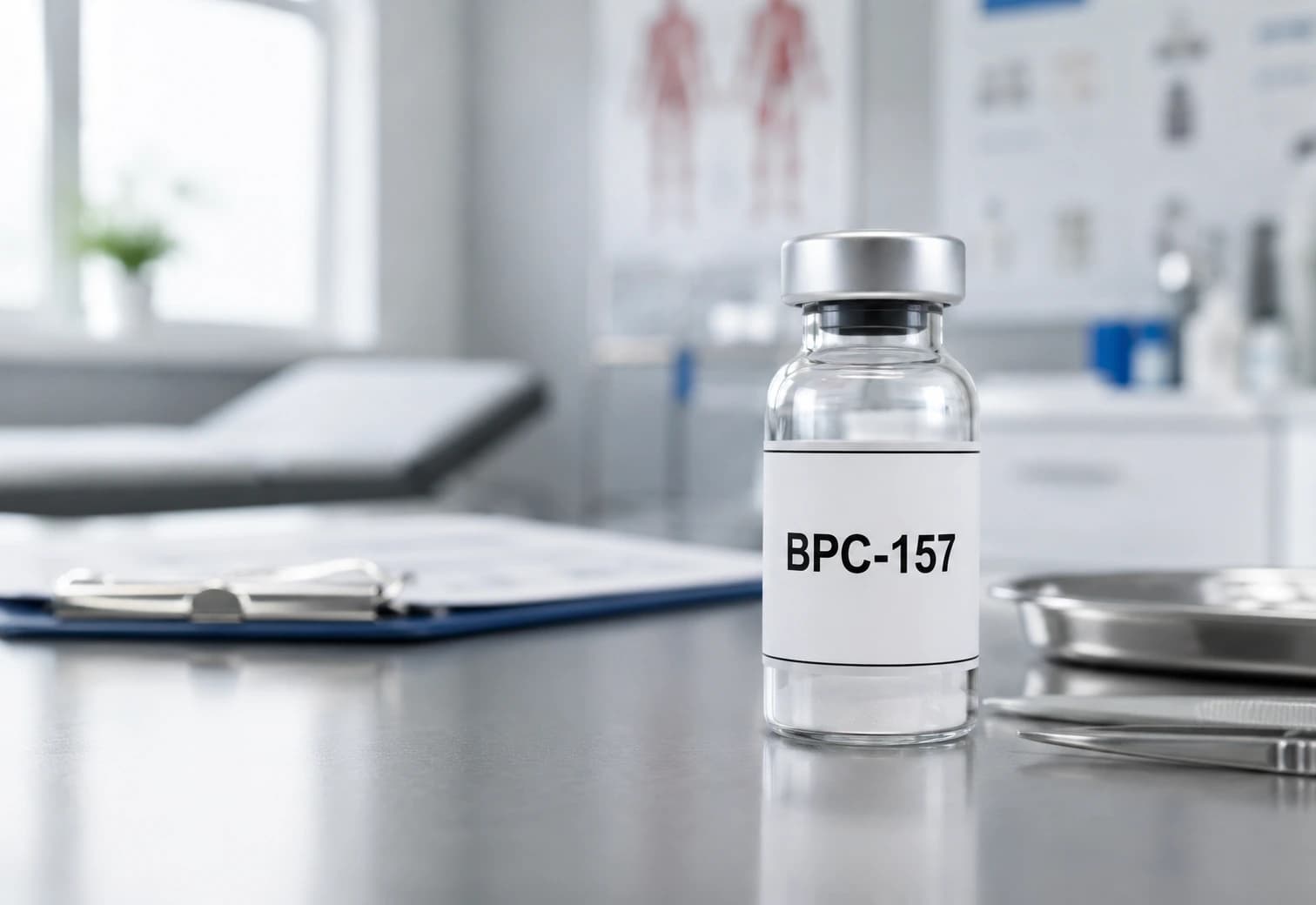
A bottle of BPC-157
Heli's Fact-Checking Standards

Every piece of content at Heli's adheres to the highest editorial standards for language, style, and medical accuracy. To learn what we do to deliver the best health and lifestyle insights to you, Check out our content review principles.

BPC 157 (also written as bpc-157 or bpc157) is a synthetic peptide derived from a protective protein in human gastric juice. If you’ve ever asked “what is bpc 157,” it’s essentially a 15-amino-acid chain studied for its potential to speed tissue repair, reduce inflammation, and support recovery across various systems. Researchers first characterized this compound in the gut, and since then, many preclinical studies have explored bpc 157 peptide and bpc-157 peptide formulations for their regenerative properties.

The FDAs Pharmacy Compounding Advisory Committee (PCAC) will review seven peptides to potentially allow compounders to produce them. These include BPC-157, KPV, TB-500, MOTs-C, Emideltide (DSIP), Semax, and Epitalon. The review follows a shift in oversight to potentially increase access to these substances.
Key details regarding the July 2026 review:

July 23, 2026 Review: BPC-157 (wound/injury), KPV (inflammation), TB-500 (wound healing), and MOTs-C (obesity/osteoporosis).
July 24, 2026 Review: Emideltide (opioid withdrawal/insomnia), Semax (ischemia/migraine), and Epitalon (insomnia).
Purpose: To determine if these peptides can be added to the 503A bulk drugs list, allowing compounding pharmacies to create them, reversing earlier restrictions.
These peptides are currently heavily utilized in wellness, longevity, and restorative medicine but have faced regulatory uncertainty regarding their safety and legality.
[6:08 PM]source:
https://www.fda.gov/advisory-committees/advisory-committee-calendar/july-23-24-2026-meeting-pharmacy-compounding-advisory-committee-07232026


What Is BPC 157?

BPC 157 stands for “Body Protection Compound 157.” It’s a short peptide sequence modeled on a naturally occurring molecule in the stomach. Its stability in gastric acid and systemic circulation has drawn interest in applications beyond digestion. In early rodent work, BPC 157 showed protective effects on the gut lining and accelerated healing of ulcers.

You may see it marketed as “bpc 157 peptide” or “bpc-157 peptide” interchangeably. Both refer to the same agent, but the dash version (bpc-157) is more common in scientific literature, while the space version (bpc 157 peptide) appears in supplement contexts.

How BPC 157 Works

Promotion of Tissue Repair (Peptide 157)

Peptide 157 supports healing by enhancing fibroblast migration and collagen synthesis at injury sites. In tendon-tear models, researchers observed faster collagen alignment and improved tensile strength after BPC-157 treatment than in controls. These effects likely arise from stimulation of angiogenesis and modulation of inflammatory mediators.

Interaction With Growth Factors

BPC-157 also appears to upregulate growth factors such as vascular endothelial growth factor (VEGF). In vitro data suggest that bpc-157 enhances receptor expression for growth signals, potentially amplifying the body’s natural repair mechanisms. Though most findings are preclinical, this receptor interaction may explain why athletes report reduced downtime and improved muscle recovery.

Benefits of BPC 157 for Recovery

Tendon, Ligament, and Joint Repair

One of the most cited bpc 157 benefits is accelerated healing in connective tissues. In a rat study of Achilles tendon tears, BPC-157-treated animals regained near-normal tendon strength in weeks, compared with months in untreated groups. These benefits of BPC 157 suggest potential off-label use for sprains and minor tears to shorten rehabilitation and ease chronic stiffness.

Gut-Healing and Anti-Inflammatory Effects

Originally isolated for its gastric protection, BPC-157 exhibits strong gut-healing properties. In rodent colitis and ulcer models, oral and injectable BPC-157 reduced lesion size, lowered inflammatory cytokines, and restored mucosal integrity. For conditions such as leaky gut or NSAID-induced ulcers, these anti-inflammatory effects may offer therapeutic promise.

Neuroprotective and Vascular Support

Emerging data indicate neuroprotective benefits in traumatic brain injury models, where BPC-157 reduced swelling and oxidative damage. By promoting nitric oxide and VEGF, it may also support vascular healing after injury. Though human evidence is preliminary, these findings hint at uses beyond musculoskeletal repair.

BPC 157 Side Effects and Safety

Reported Side Effects of BPC 157

Most animal studies report minimal adverse outcomes at research doses. Limited user surveys note mild headaches, transient fatigue, or local irritation at injection sites. Side effects of bpc 157 such as nausea or appetite changes have been occasional and self-resolving. No serious organ toxicity has been documented in rodent models.

Is BPC 157 Safe?

Long-term human safety remains unestablished. Preclinical data suggest low toxicity, and short-term use appears well tolerated. However, the FDA has not approved BPC-157 for any indication, labeling it research-only. If you consider BPC-157, discuss “is bpc 157 safe” with a healthcare provider experienced in peptide therapies.

BPC 157 Dosing and Administration

BPC-157 Dosage Recommendations

Human dosing protocols derive from animal studies and anecdotal reports. Common localized injury dosing is 200–300 micrograms (mcg) daily, split into two injections near the injury for 2–4 weeks. Systemic protocols may reach 500–800 mcg per day, administered subcutaneously or intramuscularly. With 1 mg = 1,000 mcg, start low and adjust based on tolerance to minimize side effects.

Injection vs. Oral BPC 157: Pills, Capsules, Spray

Injection remains the most studied route, offering consistent bioavailability. Yet many choose bpc 157 pills or oral bpc 157 capsules for convenience; rodent data show gastric stability with systemic effects. Nasal sprays and sublingual drops exist but lack robust human data. When comparing bpc 157 oral vs injection, injections are more predictable, while oral forms appeal to needle-averse individuals.

Frequently Asked Questions

Is BPC 157 Better for Gut Health or Injury Recovery?

BPC 157 is discussed for both. Its earliest research focused on gastric protection and gut repair, while later preclinical studies explored tendon, ligament, muscle, and vascular healing.

How Is BPC 157 Different From TB-500?

Can BPC 157 Help With Tendon or Ligament Injuries?

Can BPC 157 Help With Stomach or Intestinal Issues?

How Long Does BPC 157 Take To Work?

Can BPC 157 Be Used With Physical Therapy?

Can BPC 157 Affect Mood or Energy?

Disclaimer: This website connects patients with licensed healthcare providers who can evaluate medical conditions and prescribe medications when appropriate. Some medications available through this service may be compounded drugs, which are customized formulations prepared by a pharmacy. The FDA does not conduct premarket review for compounded drugs to evaluate their safety, effectiveness, or quality. (See here: https://www.fda.gov/consumers/consumer-updates/it-really-fda-approved). Individual results may vary, and these medications should only be used under the guidance of a qualified healthcare professional. The information in this article is for educational purposes only and should not be considered medical advice. Always consult your healthcare provider before starting any new treatment.

How we reviewed this article:
Sources
History

Helimeds has strict sourcing guidelines and relies on peer-reviewed studies, academic research institutions, and medical associations. We avoid using tertiary references. You can learn more about how we ensure our content is accurate and current by reading our editorial policy.

Share this post:

Related Posts