
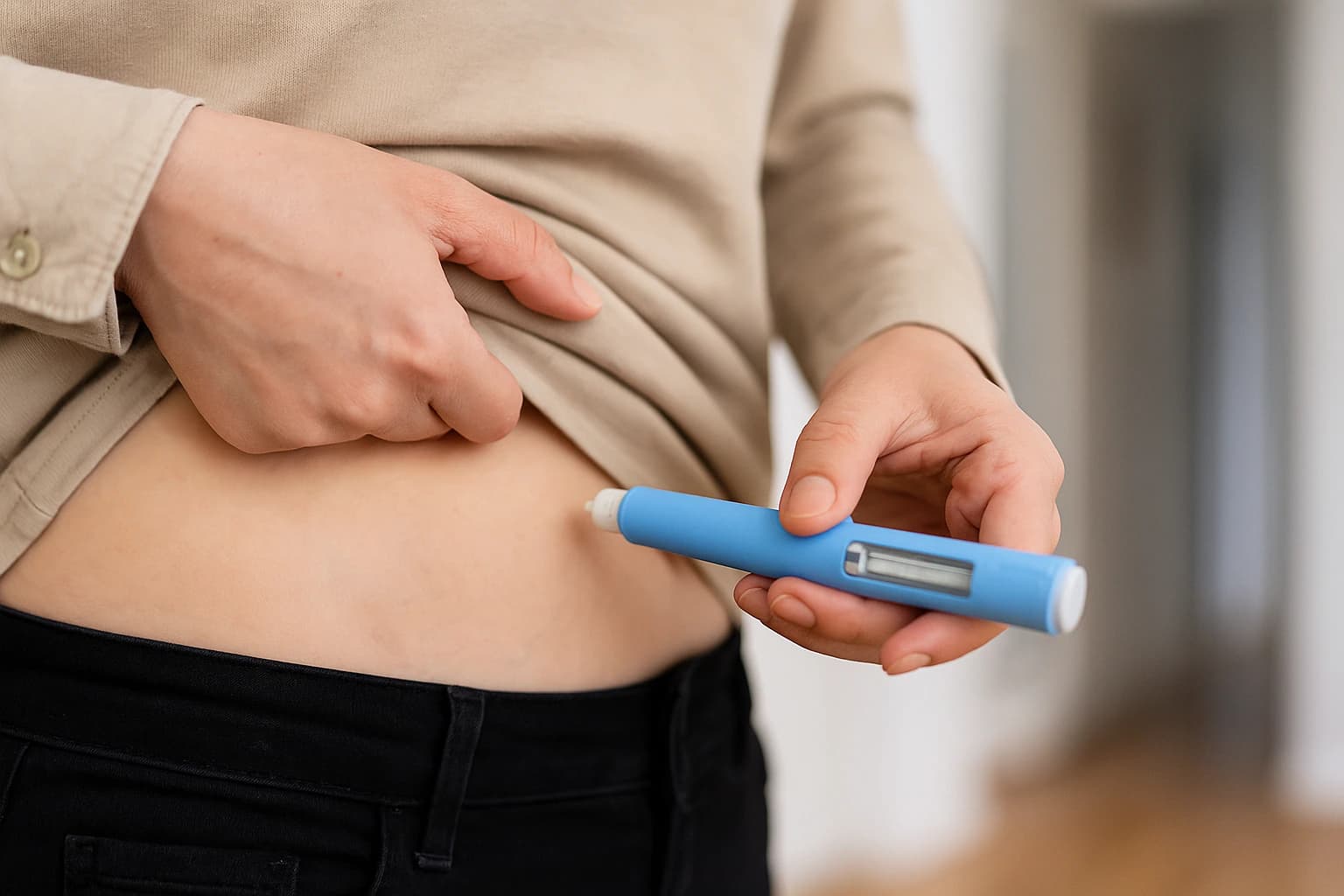

What Is Microdosing GLP-1?
Many people literally type “what is micro dosing”, “what is micro dose”, or “what does microdose mean” into search engines when they first hear about microdosing. In simple terms, microdosing refers to using a fraction of a standard therapeutic dose, often around 10–25% or less, taken regularly to see whether milder effects still provide benefit.
When this idea is applied to GLP-1 medications, you will see phrases like microdosing glp 1, microdose glp 1, microdosing semaglutide, semaglutide microdosing, and microdosing tirzepatide. These are all talking about a similar concept: using lower-than-usual amounts of GLP-1–based drugs and increasing more slowly than standard protocols, under medical supervision.
People also search for gl1p or “what is gpl1”, which are misspellings of GLP-1 (glucagon-like peptide-1). GLP-1 is a hormone released from the gut after meals that:
Stimulates insulin release when blood sugar is high
Reduces glucagon levels
Slows stomach emptying
Signals satiety to the brain
Modern GLP-1–based medications (semaglutide alone and tirzepatide as a dual GIP/GLP-1 agonist) mimic or combine these effects. In large obesity trials using full doses, once-weekly semaglutide and tirzepatide led to substantial average weight loss and improved metabolic markers in adults with obesity.[1–3] For example, the STEP 1 trial of once-weekly semaglutide in adults with overweight or obesity and the SURMOUNT-1 tirzepatide obesity trial both showed strong weight-loss effects when combined with lifestyle changes.
Microdosing does not change how these drugs work; it simply adjusts the amount and pace of dosing to see whether lower levels can still help with appetite and blood sugar while causing fewer side effects.