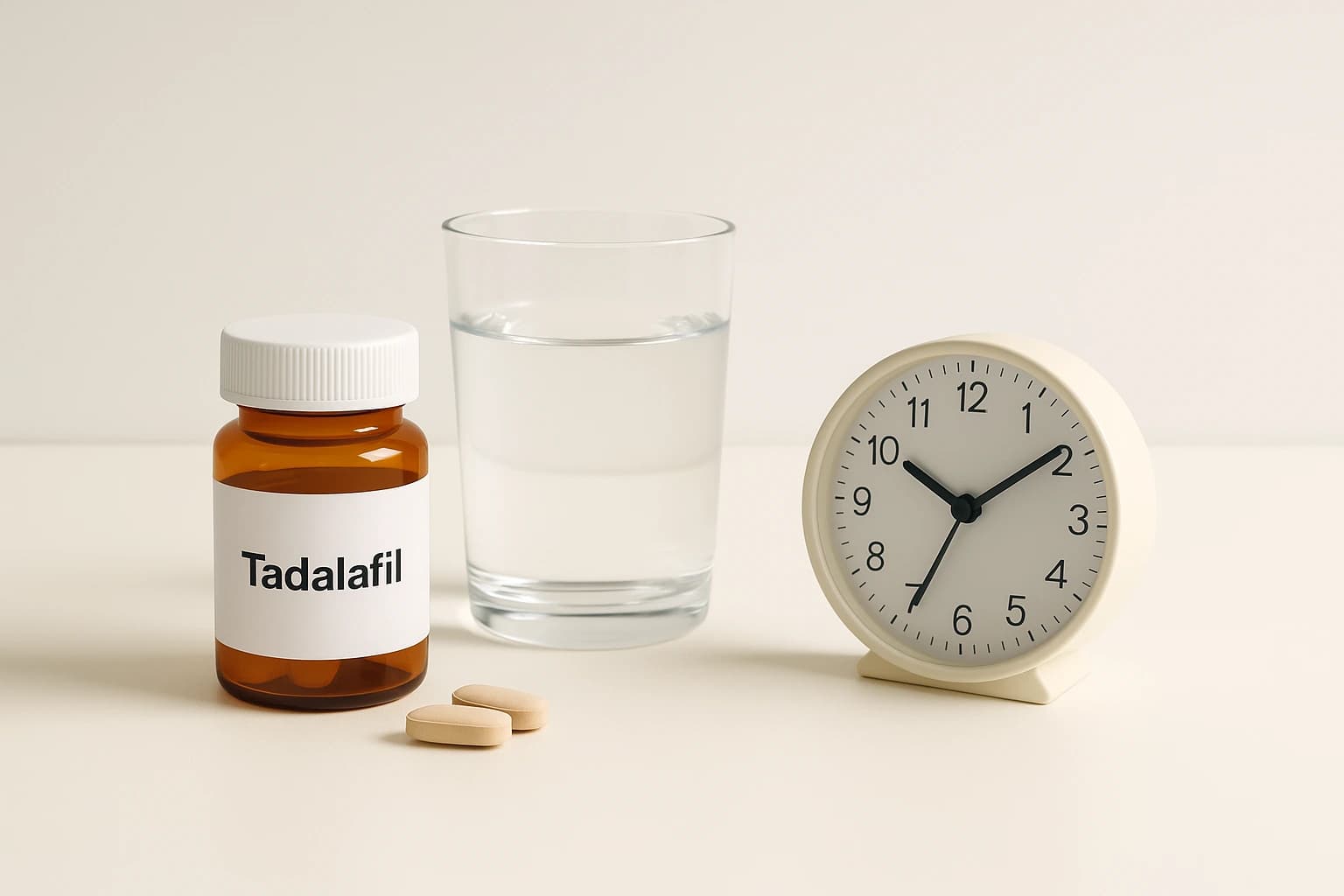


Generic Cialis contains the same active compound—tadalafil—as the brand-name product, Cialis. Whether you see cialis generic on your prescription label or the term generic cialis in pharmacy listings, both refer to tadalafil used to treat erectile dysfunction (ED). While the active ingredient is the same, inactive ingredients, tablet coatings, and manufacturer processes can vary slightly, which may affect pill appearance, taste, or tolerability.
Tadalafil is the active ingredient in both brand-name Cialis and its generic versions. After the original patent expired, multiple manufacturers began producing generic tadalafil tablets that demonstrate bioequivalence to Cialis. In the US, generics must meet FDA criteria showing that the rate and extent of absorption are within 80%–125% of the brand product under the FDA bioequivalence requirements. In practice, this means a 20 mg generic tadalafil pill provides similar blood levels and clinical efficacy to a Cialis 20 mg tablet.
Brand Versus Generic Tadalafil
Brand-name Cialis is manufactured under strict quality controls by Eli Lilly. Generic tadalafil producers must follow the same good manufacturing practices and prove bioequivalence in clinical studies. Although inactive fillers may differ, the therapeutic effect and safety profile are expected to be comparable.
Side Effect Profile: Generic Tadalafil vs Brand Cialis
Common adverse effects—headache, indigestion, back pain, flushing, and muscle aches—occur at similar rates with generic tadalafil and Cialis. In a pooled analysis, headache rates were near 15% for tadalafil 20 mg versus 14% in placebo groups (Goldstein et al., 2007). If you experience unusual symptoms with one generic, your provider can suggest switching to a different manufacturer.