

Get GLP1+GIP for $37.25/week
Start Now

NAD Supplement Before and After: Transformative NAD Results You Can Expect

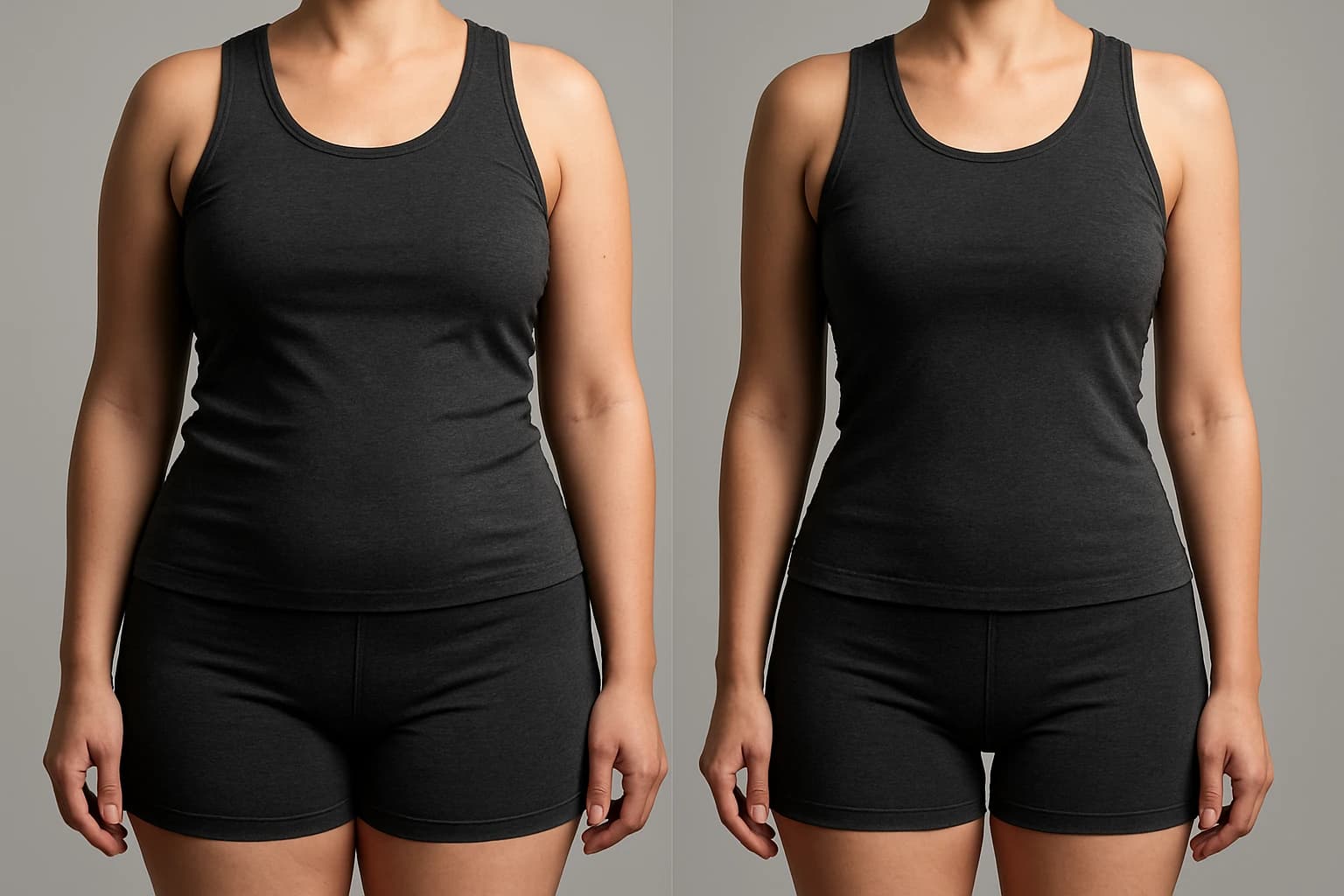
Photo of a man before and after NAD supplement
Heli's Fact-Checking Standards

Every piece of content at Heli's adheres to the highest editorial standards for language, style, and medical accuracy. To learn what we do to deliver the best health and lifestyle insights to you, Check out our content review principles.

What Is an NAD Supplement? How NAD Works

NAD, or nicotinamide adenine dinucleotide, is a coenzyme found in every living cell that helps convert nutrients into energy and supports hundreds of reactions involved in repair and resilience. When people talk about “NAD supplement before and after,” they’re usually comparing how they feel and function—energy, focus, recovery—before supporting NAD levels versus after several weeks of consistent use.

NAD plays several key roles:

  • Energy production: NAD shuttles electrons in the mitochondria, helping generate ATP, your cells’ main energy currency.

  • DNA repair: NAD fuels PARP enzymes that repair everyday DNA damage.

  • Longevity pathways: NAD is required for sirtuins, proteins involved in stress resistance, metabolism, and healthy aging.

NAD levels, aging, and supplementation

Research suggests that NAD⁺ levels decline with age, chronic stress, poor sleep, and metabolic disease. Lower NAD⁺ has been observed in older tissues compared with younger ones and is thought to contribute to fatigue, slower recovery, and a higher risk of age-related diseases.

Modern NAD supplements usually provide precursors your body can convert into NAD, such as:

In small human trials, NR and NMN have increased blood NAD⁺ by roughly 40–100% over baseline after several weeks of daily dosing, with some participants reporting better energy or exercise capacity. Effects on blood sugar, cholesterol, and other metabolic markers tend to be modest rather than dramatic, so expectations should stay realistic.

Before and after starting an NAD supplement, clinicians may track symptoms (fatigue, sleep, exercise tolerance) and basic labs to see whether changes are meaningful for you personally.

NAD IV Therapy: Procedure Details and Expected Results

Many clinics advertise striking NAD IV “before and after” transformations. In these protocols, NAD⁺ is delivered directly into a vein as a slow infusion under medical supervision.

How NAD IV infusions are done

A typical protocol may include:

  1. Pre-infusion check-up – Review of medical history, medications, and often kidney, liver, and electrolyte labs.

  2. Infusion setup – NAD⁺ is diluted in saline and infused over several hours (for example, 250–750 mg over 2–4 hours), with vital signs monitored throughout.

  3. Course of treatment – Some clinics use a short “loading” series of several infusions over 1–2 weeks, followed by monthly or periodic maintenance sessions.

In a small pharmacokinetic pilot, a prolonged intravenous NAD⁺ infusion produced several-fold increases in blood NAD⁺ and related metabolites during and shortly after the drip, confirming that IV delivery can acutely raise systemic NAD⁺ levels.

What people often notice

Clients commonly report:

  • Short-term: less “brain fog,” more even energy, and improved motivation in the days after infusions.

  • Over a series: better perceived stamina or recovery, especially when combined with better sleep, diet, and training.

However, high-quality randomized trials of NAD IV for fatigue, mood, or anti-aging claims are still very limited. Most data come from small open-label studies, case reports, or clinic experience rather than large placebo-controlled trials.

Side effects can include nausea, flushing, chest tightness, headache, or lightheadedness—especially if the infusion runs too fast—so IV NAD should always be administered slowly and by trained medical staff.

NAD⁺ Injections and “NAD Plus”: Efficacy and Safety

Some people prefer injections over IV drips. You’ll often see marketing phrases like “NAD⁺ injections before and after” or “NAD Plus shots,” which usually refer to intramuscular or subcutaneous protocols.

What’s in NAD⁺ vs “NAD Plus” injections?

  • NAD⁺ injections usually contain stabilized NAD⁺ in modest doses.

  • “NAD Plus” or mixed NAD injections may combine NAD-related compounds (for example, nicotinamide, other B-vitamins, amino acids) into one shot.

These are often compounded products, meaning the exact recipe and dose can vary by clinic and pharmacy. Because compounded peptides and injectables are not FDA-approved drugs, there can be variability in quality, potency, and sterility; the FDA’s guidance on compounded peptides highlights these concerns.

What do people experience with NAD injections?

Human research on intramuscular NAD⁺ injections is limited; most clinical trials use oral NR or NMN instead. More broadly, studies of NAD-boosting strategies suggest:

  • Significant increases in whole-blood NAD⁺ over weeks of therapy.

  • Modest, sometimes inconsistent improvements in markers like insulin sensitivity, blood pressure, or exercise performance, as summarized in a major review of NAD-boosting molecules.

Short-term side effects with injections may include local soreness, flushing, or changes in sleep. Long-term safety and ideal dosing schedules for injectable NAD are not yet well defined, so any injectable protocol should be individualized and monitored by a clinician.

NAD and Anti-Aging: Cellular and Skin Effects

When people talk about NAD anti-aging results, they usually mean feeling younger, recovering faster, or seeing better skin and overall vitality. Biologically, interest centers on NAD’s relationship with sirtuins and DNA repair, two systems strongly linked to aging in animal models.

Cellular mechanisms

NAD⁺:

  • Activates sirtuins, enzymes that help regulate gene expression, stress resistance, and mitochondrial function.

  • Fuels PARP enzymes, which repair DNA damage and help maintain genomic stability.

  • Participates in redox reactions that keep mitochondria working efficiently.

In mice and other laboratory models, NAD-boosting strategies (such as NMN or NR) have improved mitochondrial function, extended lifespan in some settings, and reduced features of metabolic and neurodegenerative disease, according to the Cell Metabolism review.

In humans, early trials of NR and NMN show higher NAD⁺ levels and modest improvements in markers such as insulin sensitivity or arterial stiffness, but long-term, hard outcomes (for example, fewer age-related diseases or longer lifespan) are not yet proven.

Skin and visible aging

Because skin cells are constantly repairing UV-induced damage, NAD-supporting methods are being explored for photoaging and barrier repair. Topical and systemic NAD-related interventions may:

  • Support collagen and elastin maintenance.

  • Improve barrier function and hydration.

  • Help skin recover from environmental stress.

Most of this evidence comes from preclinical work, small clinical trials, or manufacturer-sponsored studies rather than large independent trials. A dermatology review on nicotinamide and skin health notes benefits for barrier function, redness, and some visible signs of aging.

In practice, NAD strategies are best seen as one tool within a broader healthy-aging plan that still relies on sleep, diet, exercise, and sun protection.

NAD Face Cream: Topical NAD Benefits

NAD face creams aim to deliver NAD⁺ or its precursors directly into the skin to support local repair and resilience.

How these creams are formulated

Many NAD-focused creams:

  • Use NAD⁺, nicotinamide riboside (NR), or niacinamide as active ingredients.

  • Employ delivery systems such as liposomes or penetration enhancers to help actives pass the outer skin barrier.

  • Combine NAD-related molecules with humectants, ceramides, and antioxidants to support barrier strength and moisture.

Patents on topical NR formulations and clinical data on nicotinamide in dermatology suggest these ingredients can help improve hydration, barrier function, and some signs of photoaging.

What kind of results are realistic?

Users and early studies report:

  • Smoother texture and better hydration after several weeks.

  • Some reduction in fine lines, uneven tone, and skin sensitivity.

Because large, independent trials on dedicated “NAD⁺ face creams” are still scarce, it’s wise to treat these products as supportive skincare, not as stand-alone anti-aging fixes. Daily sunscreen, gentle cleansing, and healthy lifestyle habits remain the foundation.

Tru Niagen and NMN Products: Comparing Popular Precursors

Two of the most visible NAD precursors are nicotinamide riboside (NR), sold in products like Tru Niagen, and nicotinamide mononucleotide (NMN), offered under various brand names (often marketed with dramatic “before and after” stories in testimonials).

Tru Niagen (NR)

Tru Niagen provides patented NR, a vitamin B₃ derivative that your body converts to NAD⁺ through the NRK pathway. The foundational NR pharmacokinetic study showed NR is orally bioavailable and increases blood NAD⁺ in humans.

Across NR studies (not always brand-specific), researchers have found:

  • Noticeable increases in blood NAD⁺ (often around 40–60% above baseline after several weeks).

  • Generally good tolerability, with occasional mild nausea, flushing, or digestive upset.

  • Mixed but sometimes favorable effects on cardiometabolic markers such as blood pressure or arterial stiffness.

People describing Tru Niagen results often mention more stable daytime energy, better stress tolerance, or easier recovery from workouts, though responses vary and not everyone experiences dramatic changes.

NMN products (Ion-style formulations and others)

Many NMN supplements promote rapid improvements in energy and metabolic health. Most published human trials, however, use generic NMN capsules rather than specific brands. A recent systematic review of NMN trials reports that NMN supplementation can:

  • Increase NAD⁺ and related metabolites in blood.

  • Provide small improvements in insulin sensitivity, walking endurance in older adults, or muscle function in certain conditions.

  • Show good short-term safety at doses around 250–600 mg/day.

Because there are no robust head-to-head trials of specific NR versus specific NMN brands, most decisions hinge on cost, personal response, regulatory status in your country, and clinician guidance rather than definitive evidence that one brand is “best.”

NMN vs Other NAD Supplements: How to Choose

Choosing between NMN and more general NAD supplements (like NR) involves looking at mechanism, evidence, price, and your own goals.

Mechanistic differences

  • NMN is one enzymatic step away from NAD⁺ and enters NAD synthesis via enzymes such as NMNAT.

  • NR converts to NMN first, then to NAD⁺, using the NRK pathway.

Both routes are physiologically important, and current human data do not clearly prove that one pathway is universally superior in real-world outcomes. The Cell Metabolism review on NAD-boosting molecules emphasizes that multiple precursors can be effective.

Practical considerations

  • Evidence base: NR currently has more human data; NMN research is growing but still relatively early.

  • Regulation: NR and NMN may be regulated differently depending on your jurisdiction.

  • Cost and dosing: Both are usually taken once or twice daily; price per effective dose often influences the choice.

For most people, a sensible approach is to:

  • Start with one well-studied NAD precursor at a moderate dose.

  • Reassess symptoms and, if appropriate, NAD-related biomarkers with your clinician after 2–3 months.

  • Avoid stacking multiple expensive products at high doses without clear goals and monitoring.

Frequently Asked Questions

How quickly will I notice a difference after starting an NAD supplement?

Some people feel subtle improvements in energy or focus within 1–2 weeks, but clearer changes usually take 4–8 weeks of consistent use.

Do NAD benefits last if I stop taking the supplement?

an I combine NMN or NR with NAD IV or injections?

Are NAD supplements safe for everyone?

Is NAD really an anti-aging cure?

Disclaimer

Disclaimer: This website connects patients with licensed healthcare providers who can evaluate medical conditions and prescribe medications when appropriate. Some medications available through this service may be compounded drugs, which are customized formulations prepared by a pharmacy. The FDA does not conduct premarket review for compounded drugs to evaluate their safety, effectiveness, or quality. (See here: https://www.fda.gov/consumers/consumer-updates/it-really-fda-approved). Individual results may vary, and these medications should only be used under the guidance of a qualified healthcare professional. The information in this article is for educational purposes only and should not be considered medical advice. Always consult your healthcare provider before starting any new treatment.

How we reviewed this article:
Sources
History

Helimeds has strict sourcing guidelines and relies on peer-reviewed studies, academic research institutions, and medical associations. We avoid using tertiary references. You can learn more about how we ensure our content is accurate and current by reading our editorial policy.

  • Rajman L, Chwalek K, Sinclair DA. Therapeutic potential of NAD-boosting molecules: The in vivo evidence. Cell Metabolism. 2018. Available at: https://www.cell.com/cell-metabolism/fulltext/S1550-4131(18)30478-5

  • Trammell SAJ et al. Nicotinamide riboside is uniquely and orally bioavailable in mice and humans. Nature Communications. 2016. Available at: https://pubmed.ncbi.nlm.nih.gov/26896175/  

  • Yoshino M et al. Nicotinamide mononucleotide increases muscle insulin sensitivity in prediabetic women. Science. 2021. Available at: https://www.science.org/doi/10.1126/science.aaw2479

  • Hong W et al. Nicotinamide mononucleotide: A promising molecule for human health and longevity. Nutrients. 2024. Available at: https://pmc.ncbi.nlm.nih.gov/articles/PMC11205942/  

  • Grant JE et al. Intravenous NAD⁺ for neurological and metabolic conditions: Pharmacokinetics and clinical observations. Frontiers in Neuroscience. 2021. Available at: https://www.frontiersin.org/articles/10.3389/fnins.2021.667304/full

  • Yusri K et al. The role of NAD⁺ metabolism and its modulation in ageing and age-related diseases. Nature Reviews Bioengineering. 2025. Available at: https://www.nature.com/articles/s44324-025-00067-0  

  • Camillo L et al. Nicotinamide: A multifaceted molecule in skin health and disease. Medicina. 2025. Available at: https://www.mdpi.com/1648-9144/61/2/254  

  • EP3063163A1. Nicotinamide riboside compositions for topical use in treating skin conditions. European Patent Office. 2016. Available at: https://patents.google.com/patent/EP3063163A1/en  

Share this post:

Related Posts